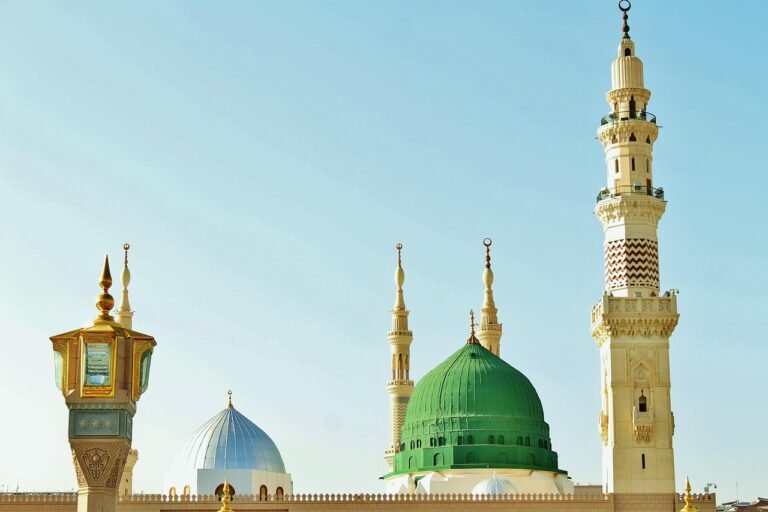
Hudaybiyyah and Other Lesser-Known Ziyarah Sites: Is Private Transport Worth It
Reviewed planning guidance. This article is general planning guidance for pilgrims arranging ground transport for Umrah or Hajj. Always check your airline’s current baggage rules and the latest Nusuk guidance before you travel.
Most first-time pilgrims focus their Ziyarah planning on the well-known stops: Jabal al-Nour, Jabal Thawr, Mina, Arafat, Quba. Fewer think about Hudaybiyyah, the site of the treaty that changed the course of early Islamic history, or the handful of other historically significant but rarely visited locations scattered around the outskirts of Makkah. These places are not on most group tour itineraries, and getting to them raises a genuinely practical question: is it worth arranging your own private transport, or is a shared coach trip good enough?
What counts as a lesser-known Ziyarah site
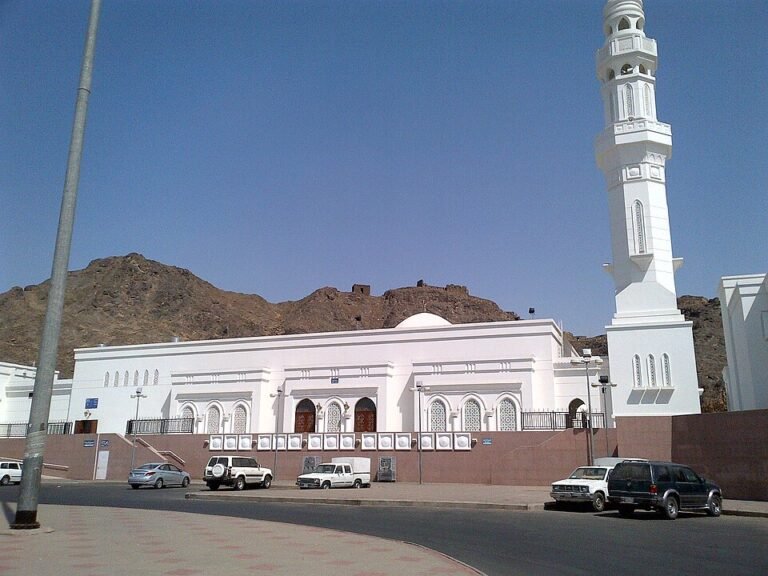
The best-known Ziyarah stops in and around Makkah tend to be the ones with clear historical weight, easy road access, and space for coaches to park. Hudaybiyyah, where the Prophet Muhammad (peace be upon him) and the Quraysh agreed the treaty that opened the way for the peaceful conquest of Makkah, sits further out and is visited far less often, despite its significance. There are a small number of other sites in the same category: places tied to specific events in the Seerah that are meaningful to visit but do not draw the same volume of pilgrim traffic as the mountain sites or the Hajj plains. Group operators generally leave these off standard packages simply because the numbers do not justify a dedicated coach run. Hudaybiyyah is the most commonly asked about of these sites because of Surah Al-Fath, which references the treaty as a clear opening for the Muslims, but it is not the only one. Ji’ranah, where the Prophet Muhammad (peace be upon him) distributed the spoils after the Battle of Hunayn and later entered ihram for Umrah, falls into the same category: a place with a clear connection to the Seerah that most first-time pilgrims have never heard of before they arrive. Masjid al-Jinn, associated with the verses describing jinn listening to the Qur’an being recited, is another example that pilgrims sometimes ask about once they learn it exists. None of these sites carry the constant footfall of Jabal al-Nour or Jabal Thawr, and that is precisely what makes reaching them a different kind of logistical question.
Why these sites are harder to reach
The challenge with lesser-known sites is rarely the distance itself. It is the combination of factors around it: no fixed public transport route serving the location, limited or informal parking, and no set visiting hours built around prayer times the way the Haramain are. A taxi hailed from outside your hotel may not know the site or may be reluctant to wait around while you visit. Coordinating a return journey without a driver who is expecting to wait can turn a short visit into a stressful one, particularly if you are travelling with elderly relatives or young children who cannot easily manage an uncertain wait for onward transport in the heat. There is also a simple information gap. Guidebooks and group itineraries are written around the sites most pilgrims want to see, so detail on access roads, parking, or the best time of day to visit a place like Hudaybiyyah is thin compared to what is available for the well-trodden stops. A driver who has taken pilgrims to Jabal al-Nour a hundred times may still need directions for a site he rarely gets asked to visit, which is worth knowing before you assume any taxi will simply know the way.
What group tours typically include and leave out
If you are travelling with an organised group, it is worth asking early what the Ziyarah itinerary actually covers, rather than assuming. Many group packages bundle a standard city tour that covers the major mountain and battlefield sites but stops short of anything requiring an extra hour or two on the road. That is a reasonable commercial decision for the operator, but it means pilgrims with a specific interest in a site like Hudaybiyyah often discover only after arrival that it is not included. If a lesser-known site matters to you, ask your group leader directly before you fly, rather than hoping it appears on the day. It is also worth asking whether the operator has taken pilgrims to the site before, rather than assuming a general Ziyarah tour easily extends to cover it. An operator unfamiliar with a lesser-known location may agree to add it to the itinerary without having a clear sense of the extra driving time involved, which can affect the rest of the day’s schedule if prayer times are already built tightly around the main stops.
Confirm in writing which Ziyarah stops are included in your package, not just the general description.
Ask whether waiting time at each stop is fixed or flexible.
Check whether the group tour can be supplemented with an optional add-on for sites outside the standard route.
If travelling independently, decide in advance whether you want a single multi-stop trip or separate short visits on different days.
Weighing up private transport
The case for private transport comes down to three things: time, flexibility, and how many people are sharing the cost. A private vehicle with a driver who waits for you removes the guesswork entirely. You are not trying to flag down a return ride from a quiet roadside, and you are not tied to a fixed group schedule that may rush you through a site you wanted time to reflect at. For a family or small group travelling together, splitting the cost of a private vehicle across several people often works out comparable to what several individual taxi fares would cost anyway, without the uncertainty. For a solo pilgrim with a tight budget, the calculation is different, and a shared group excursion, where available, may be the more sensible choice.
What tips the balance most often is simply how much a particular site matters to you. A quick, once-only visit to somewhere off the beaten track is exactly the kind of trip where a rushed or uncertain journey can undermine the purpose of going at all. If seeing Hudaybiyyah or a similar site is genuinely important to your visit, the extra cost of private transport buys you the ability to actually spend unhurried time there. There is a middle ground worth considering too. Some pilgrims choose to keep the well-known sites on the group itinerary and arrange a single separate private trip just for the lesser-known locations that matter to them. This avoids paying for private transport across an entire Ziyarah day while still getting the unhurried visit to the site that group tours are unlikely to cover.
Planning a private Ziyarah trip properly
If you decide private transport is the right call, a little preparation makes a real difference. Agree the full itinerary and the number of stops before you set off, rather than adding destinations on the fly. Confirm whether the driver is waiting at each stop or dropping and returning at a set time, since both approaches work but need to be understood in advance. Build in slightly more time than you think you need, particularly around prayer times, since a Ziyarah trip that tries to cram in too many stops back to back tends to feel more like a checklist than a visit. It is also worth checking current guidance on movement and permitted travel through the official Nusuk pilgrim platform before finalising plans, since arrangements around specific sites and access can change between seasons. Language can also be a small but real hurdle. If you are booking through an agency rather than a taxi flagged from the street, explaining the exact site by name in advance, rather than relying on the driver recognising it on the day, reduces the chance of confusion once you are already on the road. A short written note with the site name, in both English and Arabic where possible, is a small step that avoids a wasted trip.
When a shared or group option still makes sense
Private transport is not automatically the right answer for every pilgrim. If your main interest is the well-known Ziyarah sites that are already included in a group package, there is little reason to pay separately for a private trip covering the same ground. Similarly, if you are travelling alone on a limited budget and the lesser-known sites are a nice-to-have rather than a priority, joining whatever shared excursion your accommodation or group leader can arrange is a perfectly sensible way to see more without the added cost. The decision really only shifts firmly toward private transport when a specific site matters enough to you that you do not want to risk it being rushed, skipped, or left off the itinerary entirely. It is also worth remembering that priorities change during a trip. A pilgrim who arrives thinking a shared excursion will be enough may find, once immersed in the history of the place, that they want more time at a specific site than the group schedule allows. There is no harm in reassessing partway through a trip and arranging a short private visit later in the stay if a particular site turns out to matter more than expected.
Frequently asked questions
Q: Is Hudaybiyyah open for pilgrims to visit at any time? A: Access arrangements can change, so it is worth checking current guidance on the Nusuk platform or with your group leader before planning a visit, rather than assuming the site is always accessible on the same terms.
Q: Do standard Umrah packages usually include Hudaybiyyah? A: Most standard packages focus on the better-known Ziyarah sites and do not automatically include Hudaybiyyah or similar lesser-visited locations, so it is worth asking your operator directly if this matters to you.
Q: How long should I allow for a trip to a lesser-known Ziyarah site? A: Allow more time than you think you need, including travel, a reasonably unhurried visit, and a buffer around prayer times, rather than trying to fit it tightly between other plans.
Q: Is it better to visit several lesser-known sites in one trip or spread them out? A: This depends on your schedule and how much time each site deserves, but combining too many stops into one journey often means less meaningful time at each one, so a smaller, focused trip is usually more satisfying.
Q: Can a private driver wait while I visit a site? A: Many private transport arrangements allow the driver to wait, but this should be agreed and understood clearly before the trip starts, rather than assumed on the day.
Q: Is private transport worth it for a solo pilgrim on a budget? A: Often a shared group excursion is more cost-effective for a solo traveller, unless a specific lesser-known site is important enough to you that the certainty of private transport is worth the extra cost.
If you would like help matching your plans to the right vehicle, Hajj & Umrah Taxi can put together a fixed-price quote based on your exact travel details. Get in touch before you fly and we will make sure your transport is arranged around how you are actually travelling, not the other way round.
Jannat Al-Baqi and Nearby Madinah Sites: Transport and Visiting Etiquette
Reviewed planning guidance. This article is general planning guidance for pilgrims arranging ground transport for Umrah or Hajj. Always check your airline’s current baggage rules and the latest Nusuk guidance before you travel.
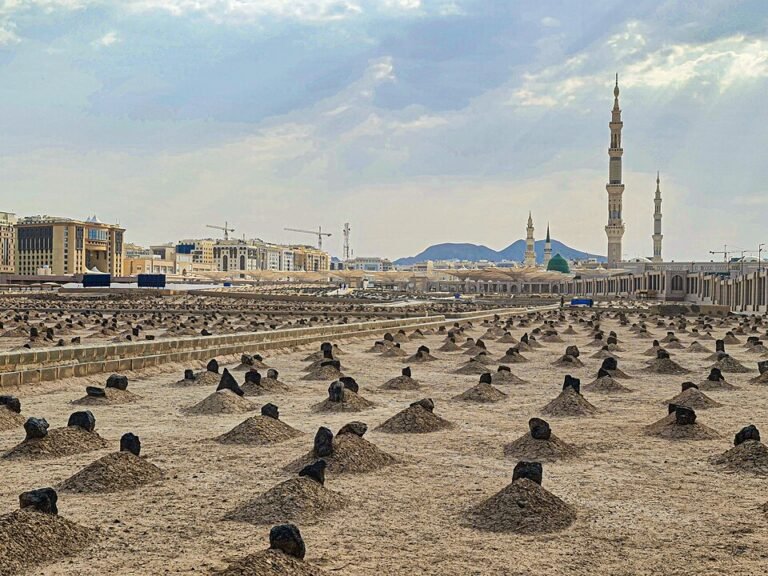
Jannat Al-Baqi sits just beyond the eastern wall of Masjid an-Nabawi, and for many pilgrims a quiet pause at its low earthen graves is one of the most moving parts of a trip to Madinah. It is also one of the easier ziyarah stops to get wrong on the transport and etiquette side, since access changes by time of day and by gender, and the cemetery sits within a small cluster of historic sites that are worth visiting together rather than as separate trips. This guide sets out how to plan your journey to Al-Baqi and its neighbouring sites, and how to conduct yourself once you arrive, so the visit reflects the respect the place deserves. Taking a little time to prepare beforehand, rather than working it out on the spot, tends to make the whole experience calmer for everyone in your group.
What Jannat Al-Baqi Is and Why Pilgrims Visit
Jannat Al-Baqi is the historic cemetery of Madinah, holding the graves of a great many companions of the Prophet Muhammad, peace be upon him, along with generations of the city’s residents since. Unlike the ornate shrines found elsewhere in the Muslim world, the graves here are deliberately plain, unmarked mounds of earth, reflecting a simplicity that many pilgrims find striking on their first visit. Walking along its perimeter and offering silent supplication is a customary part of a Madinah stay for pilgrims performing either Hajj or Umrah, and it is usually combined with the wider set of prayers and visits pilgrims make around Masjid an-Nabawi during their days in the city. The cemetery holds the graves of a number of the Prophet’s family members and wives, along with countless companions and scholars across the generations since, which is part of why so many pilgrims describe the visit as one of the more reflective moments of their trip.
Because Al-Baqi is not part of the mosque’s main prayer hall, it has its own opening pattern, its own gate, and its own local customs, all of which are worth understanding before you set off from your hotel.
Getting to Al-Baqi From Your Madinah Hotel
Most pilgrims stay within walking distance of the central ring roads around Masjid an-Nabawi, and for these travellers Al-Baqi is usually reachable on foot, since its gate sits close to the mosque’s eastern side. If your hotel is further out, or if you are travelling with elderly relatives, young children, or anyone with limited mobility, a short private transfer is often more practical than a long walk in the heat, particularly around midday.
A few things affect how straightforward that transfer is:
Roads immediately around the mosque are frequently closed to private vehicles during peak prayer times, so a driver may need to drop you a short walk away rather than directly outside the gate.
During Ramadan and the Hajj period, pedestrian volumes around this side of the mosque rise sharply, which affects how close a vehicle can realistically get.
Because Al-Baqi sits so close to several other small historic sites, it is often more efficient to book one vehicle for a short loop rather than separate trips for each stop.
If you would rather not manage this on foot in the heat, or you simply want the timing coordinated around prayer, a pre-arranged driver who already knows the current drop-off and pickup points for this side of the mosque removes a good deal of the guesswork.
Visiting Etiquette and Adab at Jannat Al-Baqi
Al-Baqi is a place of quiet remembrance rather than a tourist site, and the etiquette expected there reflects that. Dress should be modest and unhurried, voices kept low, and behaviour restrained, in keeping with how you would conduct yourself at any graveside.
Supplication should be directed to Allah alone, asking for mercy on those buried there, rather than addressing the deceased directly.
Photography inside the cemetery, particularly close to the graves themselves, is generally discouraged and can draw attention from site staff, so it is best avoided.
Current practice at Al-Baqi is that men are generally permitted to walk in among the graves, while women typically view the site from a designated area near the perimeter. Arrangements can vary and are sometimes adjusted by the authorities managing the site, so it is worth checking on arrival rather than assuming a fixed rule.
Eating, loud conversation, and anything resembling leisure activity are out of place here, even briefly.
If you are travelling with children, a short, calm explanation beforehand of why the visit matters tends to help far more than instructions given on the spot.
None of this requires special preparation beyond the same modest dress and quiet manner you would already bring to Masjid an-Nabawi itself, but it is worth building a few extra minutes into your plan so the visit does not feel rushed.
Nearby Sites Worth Combining Into One Ziyarah Trip
Al-Baqi sits within a short walk or a brief drive of several other places that pilgrims commonly visit while in Madinah, and grouping them into a single outing is usually more comfortable than treating each as a separate journey. Depending on where your hotel sits relative to the mosque, a single loop might reasonably take in Masjid Ghamama, a small historic mosque associated with early Eid prayers, and Masjid Abu Bakr, along with any of the other modest mosques clustered near the edges of the Nabawi complex.
None of these stops require much time individually, which is exactly why they work well together. A driver who is familiar with the area can sequence the stops around prayer times, wait while you visit each one, and avoid doubling back through the busiest sections of road near the mosque more than necessary.
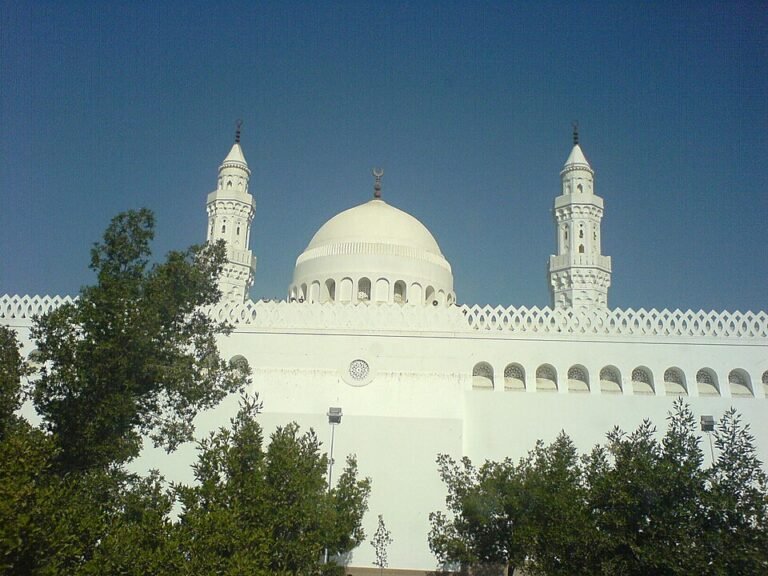
Some pilgrims choose to extend the loop further to include Masjid Quba, the first mosque built in Islam, which sits a short drive rather than a walk from the central area. Because it is further out, it is usually better planned as part of a longer, pre-arranged trip with a driver rather than added on impulse after visiting Al-Baqi.
Timing Your Visit Around Prayer and Crowd Patterns
Access to Al-Baqi is not continuous throughout the day. The gate typically opens for a limited window around certain daily prayers, most commonly in the period after Fajr, though the exact pattern can shift and is best confirmed locally once you arrive, since it is set by the site’s own management rather than published as a fixed timetable. Arriving with some flexibility in your plan, rather than assuming a set arrival time, avoids the disappointment of reaching a closed gate.
Crowd levels also vary considerably by season. During Ramadan and the Hajj period, the areas around Masjid an-Nabawi, including the approach to Al-Baqi, become significantly busier, and a private transfer with a driver who can time the pickup around prayer crowds is usually more comfortable than trying to navigate on foot at the busiest moments. Outside these peak periods, a calmer visit is generally easier to arrange, and there is more flexibility in when you go. For general planning around Madinah, the official Nusuk platform is worth checking for any current guidance affecting movement around the Prophet’s Mosque before you travel.
Practical Logistics: Parking, Waiting Drivers, and Mobility
Private vehicles cannot usually park directly beside Al-Baqi, particularly at busy times, so it helps to agree a clear pickup point with your driver before you set off, rather than expecting them to wait at the gate itself. A driver who already knows the layout will typically suggest a nearby waiting spot and confirm timing with you by phone once you are ready.
For pilgrims travelling with elderly relatives or anyone using a wheelchair, the paths around Al-Baqi are generally flat and manageable, but the approach can still involve some distance from where a vehicle is able to stop, especially during busier periods. Building in extra time, and choosing a vehicle with enough space for any mobility equipment, makes the whole outing considerably less stressful. If you are unsure how a specific hotel’s distance from the mosque will affect this, it is worth raising it directly when you arrange your Madinah transport rather than working it out on the day.
The UK government’s own foreign travel advice for Saudi Arabia is also a useful general reference to check before you travel, alongside any Nusuk-specific guidance for the dates you will be in Madinah.
Frequently asked questions
Q: Can women visit Jannat Al-Baqi? A: Women are generally able to visit the area, though current practice is that they typically view the cemetery from a designated area near the perimeter rather than walking in among the graves. Arrangements can vary, so it is worth checking on arrival.
Q: Is Jannat Al-Baqi within walking distance of Masjid an-Nabawi? A: Yes, for most hotels near the central ring roads it is a short walk from the mosque’s eastern side. Pilgrims staying further out, or travelling with elderly relatives, often prefer a short private transfer instead.
Q: What time does Jannat Al-Baqi open? A: The gate opens for a limited window around certain daily prayers, commonly in the period after Fajr, though the exact pattern is set locally and can shift. It is best to confirm the current timing once you arrive rather than plan around a fixed schedule.
Q: Can I take photographs inside Al-Baqi? A: Photography, particularly close to the graves, is generally discouraged and can draw attention from site staff. It is best avoided out of respect for the site.
Q: Should I visit other Madinah sites on the same trip as Al-Baqi? A: Many pilgrims combine Al-Baqi with nearby mosques such as Masjid Ghamama and Masjid Abu Bakr in a single short outing, since they sit close together and grouping them avoids repeated separate journeys.
Q: Do I need to book a private vehicle just for this visit? A: Not necessarily if your hotel is close to the mosque and you are comfortable walking. If you are travelling with elderly family members, young children, or during a busy period such as Ramadan or Hajj, a short pre-arranged transfer is usually more comfortable than navigating on foot.
If you would like help matching your plans to the right vehicle, Hajj & Umrah Taxi can put together a fixed-price quote based on your exact travel details. Get in touch before you fly and we will make sure your transport is arranged around how you are actually travelling, not the other way round.
Masjid Quba and Masjid Qiblatain: A Combined Ziyarah Transport Plan
Reviewed planning guidance. This article is general planning guidance for pilgrims arranging ground transport for Umrah or Hajj. Always check your airline’s current baggage rules and the latest Nusuk guidance before you travel.
Masjid Quba and Masjid Qiblatain sit on opposite sides of Madinah, and most pilgrims want to visit both without losing half a day to transport arrangements. Treating them as a single, planned outing rather than two separate trips saves time, keeps waiting charges predictable, and makes the visit easier for anyone travelling with children or elderly relatives. This guide sets out a practical way to combine both stops into one transport plan, from booking the right kind of vehicle to sequencing the visit around prayer times.
Why plan Quba and Qiblatain together
Both mosques are commonly visited as part of a wider Madinah ziyarah circuit, and both sit a short drive from Masjid an-Nabawi rather than within walking distance of it. Booking one vehicle that takes you to both, waits while you pray and reflect, and brings you back to your hotel is generally more straightforward and more cost-effective than arranging two separate one-way trips or relying on whichever taxi happens to be available outside your hotel at the time. It also means you are not negotiating a new fare or explaining your route twice in one afternoon.
There is also a practical logic to grouping these two mosques specifically. Because they sit on different sides of the city rather than along a single road, a driver who already knows the route between them can usually plan a more sensible loop than a series of ad-hoc trips arranged separately, each starting and ending back at your hotel. That single loop is also easier to explain to a provider when you book, since you are describing one outing with two stops rather than two unrelated journeys on different days.
A combined plan also gives you more control over pacing. Elderly relatives or young children often manage a single outing with two calm stops far better than a longer day split across multiple bookings, each with its own wait for a car and its own uncertainty about pricing.
Sequencing the visit and timing around prayer times
There is no fixed rule about which mosque to visit first, so the sequence is really a transport and comfort question rather than a religious one. Most pilgrims find it easier to visit Masjid Quba first, since it tends to draw larger numbers of visitors and benefits from being seen earlier in the day before the heat builds and car parks fill. Masjid Qiblatain, being smaller, often works well as the second stop, allowing a quieter, less rushed visit to close the outing.
Both mosques also see their busiest periods around Friday and in the hours close to prayer times, when car parks and drop-off areas fill quickly and a driver may need to circle or wait further away before collecting you. Building a little flexibility into your plan, rather than expecting an exact door-to-door schedule, makes the day less stressful. If your trip falls close to a prayer time, agree with your driver in advance whether they will wait nearby or return at an agreed time, since parking directly outside either mosque is not always guaranteed. Mid-morning or mid-afternoon slots, away from the immediate rush before and after prayer, tend to be calmer for both mosques and give you more predictable waiting and drop-off conditions. Always check the latest practical guidance on umrah.nusuk.sa before you travel, since ziyarah access arrangements and any local guidance can be updated from season to season.
Confirm with your driver or provider beforehand that the booking covers both stops plus the return to your hotel, not just a single leg.
Ask whether waiting time at each mosque is included in the fare or charged separately, so there are no surprises afterwards.
If you are travelling with a group, agree a rough time budget for each stop before you set off, so nobody feels rushed and the driver knows what to expect.
Choosing the right kind of transport booking
For a two-stop ziyarah trip, a fixed-price, pre-arranged vehicle generally works better than a metered taxi hailed on the street. A metered fare can climb quickly once waiting time at two separate locations is added in, and it leaves you negotiating again for the return leg. A pre-booked vehicle arranged for the whole outing, ideally with the stops and approximate waiting time agreed in advance, gives you a single, known cost and one driver who understands the full itinerary rather than two unconnected short journeys.
If you are travelling as a family or a small group, think about vehicle size before you book rather than after. A car that comfortably seats everyone with room for prayer mats, water, and any mobility aids makes both stops far more pleasant than a cramped vehicle where getting in and out repeatedly becomes its own small ordeal.
What to expect once you arrive
Neither mosque requires a long visit to be meaningful, and most pilgrims spend anywhere from a short prayer and a few minutes of reflection to a more extended stay, depending on how the day is going and how the group is feeling. Because both are working mosques rather than museum sites, normal mosque etiquette applies, including appropriate dress and quiet behaviour, and there is generally no formal ticketing or entry process to plan around.
Facilities at both locations are more modest than at Masjid an-Nabawi itself, so it helps to carry water, and to plan bathroom stops before you leave your hotel rather than assuming extensive facilities on site. This is particularly worth mentioning to anyone in your group who is elderly or travelling with young children.
It is also worth agreeing a meeting point with your driver before you go inside either mosque, especially if your group might split up once you arrive. Drop-off and pick-up areas can shift slightly during busier periods, and having a clear plan for where to regroup afterwards avoids the kind of confusion that eats into the time you actually wanted to spend praying and reflecting.
What affects the cost of a combined trip, and travelling as a family or group
A handful of practical factors tend to drive the price of a combined Quba and Qiblatain booking more than anything else. The size of vehicle you need is usually the biggest factor, since a larger group or extra luggage space for prayer mats and supplies naturally costs more than a booking for two or three people. Total waiting time across both stops is the second major factor, which is why it is worth being upfront with your provider about roughly how long you expect to spend at each mosque rather than leaving it open-ended.
Time of day and day of the week can also make a difference, since demand for ziyarah transport tends to rise around Friday and during busier periods of the Umrah or Hajj calendar. None of this means you need to memorise a price list before you travel, but it does mean that a fixed quote agreed in advance, covering both stops and the waiting time in between, is usually more useful than trying to compare vague hourly rates between providers.
A combined Quba and Qiblatain trip is usually one of the gentler ziyarah outings, since neither site involves the walking or physical exertion associated with the mountain sites around Makkah. That makes it a reasonable choice for a first ziyarah outing with elderly parents or younger children, provided the transport itself is arranged with comfort in mind rather than treated as an afterthought. For larger family groups, it is worth confirming in advance whether your booking is for one vehicle or several, since splitting a group across two cars for a two-stop trip can lead to mismatched timing and one half of the party waiting for the other. A single larger vehicle, or two vehicles booked together with the same provider and a shared plan, tends to keep everyone moving at the same pace.
Frequently asked questions
Q: Can one taxi booking cover both Masjid Quba and Masjid Qiblatain in a single trip? A: Yes, most providers can arrange a single booking that includes both stops plus the return to your hotel, provided you confirm this when you book rather than assuming it is included by default.
Q: How much time should we allow for the whole outing? A: This depends on how long your group wants to spend at each mosque, but building in some flexibility around prayer times and traffic is more useful than fixing an exact schedule in advance.
Q: Is it better to visit Masjid Quba or Masjid Qiblatain first? A: There is no fixed order required. Many pilgrims visit Masjid Quba first, since it tends to be busier, and finish with the quieter Masjid Qiblatain, but either order works from a transport perspective.
Q: Will the driver wait for us at each mosque? A: This should be agreed and, ideally, included in the fare when you book, rather than assumed. Ask specifically whether waiting time at both stops is covered before you confirm the booking.
Q: Are these two mosques suitable for elderly relatives or young children? A: Generally yes, since neither involves significant walking or climbing, but it is still worth planning bathroom stops and carrying water, and confirming the vehicle has enough space for everyone comfortably.
Q: Do we need to book ziyarah transport in advance or can it be arranged on the day? A: Arranging it in advance is usually more reliable, particularly around busier periods, and it lets you confirm the full itinerary and price before you set off rather than negotiating on the spot.
If you would like help matching your plans to the right vehicle, Hajj & Umrah Taxi can put together a fixed-price quote based on your exact travel details. Get in touch before you fly and we will make sure your transport is arranged around how you are actually travelling, not the other way round.
What a half-day versus full-day private Ziyarah tour should cost
One of the most common questions pilgrims ask when planning a private Ziyarah tour is simply how much it should cost, and whether a half-day or a full-day tour is the better choice. Prices vary between providers and can be confusing to compare without understanding what actually drives the cost. This guide breaks down what to expect and how to judge whether a quote is fair.
What determines the price of a Ziyarah tour
Several factors combine to set the price of a private Ziyarah tour, and understanding them helps you compare quotes properly rather than judging on price alone.
Duration: A half-day tour naturally costs less than a full-day tour, but the difference is not always simply half, since a driver’s time, fuel and vehicle costs do not scale in a perfectly linear way.
Number of sites included: More stops generally mean a longer day and more driving between locations, which affects price.
Vehicle type and group size: A larger vehicle for a bigger group costs more than a standard sedan for two or three people.
Guide versus driver-only: Some tours include a knowledgeable guide who explains the history and significance of each site, which typically costs more than a driver-only service.
Season: Prices often rise during Ramadan and the Hajj season, reflecting higher demand across the board for all transport services.
Mosque of Ali ibn Abi Talib at the Seven Mosques, Madinah
What a half-day tour typically covers
A half-day private Ziyarah tour usually runs for around three to four hours and covers a focused selection of two to four sites, depending on how far apart they are and how much time you want at each one. In Makkah, this might include a stop near Jabal al-Nour, one or two smaller historical sites, and perhaps a mosque visit, without attempting a fuller circuit. In Madinah, a half-day tour commonly covers a combination such as Masjid al-Qiblatain, part of the Seven Mosques route, and a stop at Jannat al-Baqi.
Half-day tours suit pilgrims with limited time, those who want to combine Ziyarah with rest or worship later in the day, or families with young children who may struggle with a longer outing.
What a full-day tour typically covers
A full-day tour, generally six to eight hours, allows for a fuller circuit of sites, more time at each location, and the flexibility to include sites that require more travel time or a physical climb, such as both Jabal al-Nour and Jabal Thawr in the same day. Full-day tours often include a break for lunch and prayer, built into the schedule rather than rushed between stops.
This option suits pilgrims with a full day to dedicate to Ziyarah, those particularly interested in the history behind each site, or larger family groups who want to make the most of a single organised outing rather than arranging several shorter trips.
Entrance of the Cave of Hira
How to judge whether a price is fair
Rather than comparing a single headline price, ask each provider to break down exactly what is included: the number of sites, the total duration, whether waiting time is included, whether a guide is provided or just a driver, and what happens if the group wants to add or skip a stop on the day. A lower price that turns out to exclude waiting time, or that rushes you through fewer sites than expected, is not necessarily better value than a slightly higher, clearly itemised quote.
It is also worth asking whether the price is per vehicle or per person, since this significantly affects value for larger groups. A private vehicle priced per trip, rather than per head, is usually better value once a group reaches three or four people.
Practical booking tips
Get a clear, itemised quote before booking, listing sites, duration and what is included.
Ask whether the price changes during Ramadan or Hajj season, and book accordingly if travelling during those periods.
Confirm cancellation or rescheduling terms in case your plans change.
Decide in advance whether you want a guide included, since this affects both price and the depth of the experience.
Match the tour length to your group’s stamina and interests rather than defaulting to the longest option available.
In summary
A half-day Ziyarah tour suits pilgrims wanting a focused, efficient outing, while a full-day tour allows for a fuller circuit and more time at each site, generally at a higher but not simply doubled price. Compare quotes on what is actually included, not just the headline number, and choose the length that genuinely fits your group’s time, budget and physical stamina.
Best time of day to do Ziyarah tours to avoid heat and crowds
Timing a Ziyarah tour well makes a bigger difference to the experience than most first-time pilgrims expect. Makkah’s heat and its crowds both follow fairly predictable daily patterns, and choosing the right window can turn a tiring, rushed outing into a comfortable, memorable one. Here is how to think about timing your Ziyarah tour around both factors.
Why timing matters so much in Makkah
Makkah’s climate is hot for much of the year, and several popular Ziyarah sites, including Jabal al-Nour and Jabal Thawr, involve meaningful time outdoors, sometimes with a genuine climb. Combine that with the fact that many pilgrims are also fasting, recovering from long-haul travel, or simply not used to the heat, and timing becomes a real safety and comfort consideration, not just a convenience.
Crowds add a second layer. Certain times of day, and certain days of the week, see noticeably heavier footfall at popular sites, which affects everything from parking and drop-off to how much personal space you have at each stop.
Jabal al-Nour, a popular Ziyarah site near Makkah
The best time of day for most Ziyarah tours
Early morning
For most pilgrims, early morning, shortly after Fajr, is the best window for a Ziyarah tour. Temperatures are at their lowest point of the day, sites are generally quieter, and you avoid the fatigue that builds up later, particularly if any part of the tour involves walking or climbing. The trade-off is an early start, which not everyone finds easy to combine with the rest of a pilgrimage schedule, but for sites like Jabal al-Nour, it is genuinely the difference between a manageable climb and an uncomfortable one.
Late afternoon into evening
The second-best window is generally late afternoon, once the harshest heat of the day has started to ease, through to early evening. This suits pilgrims who prefer not to start too early, though it can mean sharing sites with more visitors, since this window is popular for exactly the same reasons.
What to avoid
Midday, roughly from late morning through early afternoon, is the period to avoid for any outdoor Ziyarah activity, particularly during the hotter months. Heat at this time is at its most intense, and any site involving walking or climbing becomes considerably harder and less safe.
How crowds vary through the week and the year
Fridays tend to be busier around Masjid al-Haram and nearby sites due to Jummah prayers, so a Ziyarah tour scheduled for a Friday may need to work around that. More broadly, Ramadan and the weeks around Hajj bring much higher visitor numbers across the board, meaning even a well-timed early morning tour will likely be busier than the same tour at a quieter time of year. If your travel dates fall within these peak periods, adjust expectations accordingly rather than assuming off-peak timing alone will guarantee a quiet visit.
Street sign toward Masjid al-Haram with the Abraj Al Bait Clock Tower at night
Matching timing to who is in your group
Elderly pilgrims: Early morning is particularly valuable, both for the cooler temperature and for generally calmer conditions at each site.
Families with children: An early start can be harder logistically, but the payoff in comfort and safety, particularly at sites involving any walking, is significant.
Pilgrims combining Ziyarah with worship: Consider timing stops around, rather than during, prayer times at each site, both for a calmer visit and out of respect for worshippers.
Photography-focused visits: Early morning light is often better for photographs, alongside the practical benefits of lower heat and fewer crowds.
Working with your driver or tour operator on timing
A good private driver or Ziyarah tour operator will already understand these patterns and can help you plan a realistic schedule, including how to sequence multiple stops so you are not caught outdoors during the hottest part of the day partway through the tour. Share your group’s needs honestly, including any mobility limitations or preferences around an early start, so the itinerary can be built around what will actually work for you rather than a generic template.
In summary
Early morning is generally the best time for a Ziyarah tour in Makkah, offering the coolest temperatures and the calmest conditions at most sites, with late afternoon as a reasonable second choice. Avoid midday outings wherever possible, factor in Fridays and peak pilgrimage periods when planning, and talk openly with your driver about your group’s needs so the timing works for everyone involved.
Hidden and lesser-known Ziyarah spots in Makkah most pilgrims miss
Most first-time pilgrims know the headline Ziyarah sites in Makkah, but a handful of genuinely worthwhile spots get overlooked simply because they are less heavily marketed or slightly harder to reach. This guide looks at some of the lesser-known Ziyarah locations around Makkah that reward the effort of a visit, and how to plan transport to them sensibly.
Why some sites get missed
Makkah’s Ziyarah landscape is dominated, understandably, by Masjid al-Haram itself and a small number of famous nearby sites. Many organised tours focus on a standard circuit, which is efficient but means some historically or spiritually significant spots rarely make the itinerary unless a pilgrim specifically asks for them. Physical access also plays a role, since a few of these sites involve walking, climbing or navigating less developed surroundings, which puts off some tour operators from including them as standard.
The Cave of Hira near the summit of Jabal al-Nour
Jabal al-Nour and the Cave of Hira, beyond the standard photo stop
Jabal al-Nour, the Mountain of Light, and the Cave of Hira near its summit are well known as the site where the Prophet Muhammad received the first revelation. Many tours stop at the base for photographs without pilgrims actually making the climb, which involves a genuinely steep, uneven path taking most people between one and two hours round trip. Pilgrims who are able to make the climb, and who plan for it properly with good footwear, water and a realistic time allowance, often describe it as one of the most moving parts of their trip, precisely because it takes more effort than a drive-by stop.
Jabal Thawr, the quieter alternative
Jabal Thawr, associated with the cave where the Prophet Muhammad and Abu Bakr sheltered during the migration to Madinah, sits south of Makkah and sees noticeably fewer visitors than Jabal al-Nour. The climb is longer and more demanding, which is exactly why it tends to be missed by pilgrims on a standard itinerary. For those with the time and physical capacity, it offers a quieter, less crowded experience of a site with real historical weight.
View of Makkah from Jabal al-Nour
Smaller historical markers around the city
Beyond the mountain sites, Makkah has a scattering of smaller historical markers and locations connected to early Islamic history that rarely appear on standard tourist routes, often because they are unmarked, difficult to identify without local knowledge, or simply overshadowed by the larger sites. A knowledgeable local driver or guide, rather than a generic tour package, is often the best way to find these, since local knowledge matters more here than a fixed itinerary.
Planning transport to less-visited sites
Book a private driver rather than a fixed-route group tour if you want the flexibility to reach less common sites, since group tours are built around efficiency and the standard circuit.
Ask your driver directly whether they know of, or have taken pilgrims to, specific sites you are interested in, rather than assuming a general Ziyarah package will cover them.
Allow more time than you think you need, particularly for sites involving walking or climbing, since these take longer than a simple drive-and-view stop.
Confirm whether the site requires any special access considerations, such as limited opening times or physical difficulty, before committing to it as part of your day’s plan.
Balancing effort against reward
Not every lesser-known site is worth the extra effort for every pilgrim, and that is a genuinely personal decision. Elderly pilgrims or those with mobility limitations may reasonably prefer to view Jabal al-Nour from below rather than attempt the climb, and there is no shortage of meaning in doing so respectfully. For pilgrims who are physically able and interested in a deeper connection to the history behind these sites, though, going a little further than the standard circuit often becomes one of the most memorable parts of the trip.
A practical note on heat and timing
Because many of these lesser-known sites involve time outdoors, timing your visit for early morning, before the heat builds, makes a real difference to how manageable the experience is. This is particularly important for any site involving a climb, where midday heat can turn an already demanding walk into something genuinely risky for those not used to the conditions.
In summary
Makkah’s most memorable Ziyarah experiences are not always the ones on the standard tour route. Jabal al-Nour beyond the base, the quieter Jabal Thawr, and smaller historical markers scattered through the city all reward pilgrims willing to plan a little more carefully and travel with a driver who understands what they are looking for. Weigh the physical demands honestly, time your visit for cooler hours, and treat these extra stops as a considered addition to your trip rather than an afterthought.
The Seven Mosques, known locally as Sab’u Masajid, form one of the most popular Ziyarah routes in Madinah, tracing a cluster of small historic mosques linked to the Battle of the Trench. For pilgrims wanting to connect with an important chapter of early Islamic history in a single, manageable outing, this route is a natural choice. Here is what the Seven Mosques are, how the route works, and how to plan the transport around it.
What the Seven Mosques are
The Seven Mosques sit on the western edge of Madinah, near the site of the trench dug to defend the city during the Battle of the Trench, one of the pivotal battles of early Islamic history. The cluster includes small mosques associated with the Prophet Muhammad and several of his companions, including Salman al-Farisi, who is credited with proposing the trench strategy, along with Abu Bakr, Umar ibn al-Khattab and Ali ibn Abi Talib. Not all of the original seven structures survive in the same form today, and some have been rebuilt or restored, but the site as a whole remains a well-known and meaningful stop on the Madinah Ziyarah trail.
Mosque of Salman al-Farisi at the Seven Mosques, Madinah
Where the route is and how long it takes
The Seven Mosques cluster sits within a compact area, generally around a fifteen to twenty minute drive from central Madinah depending on traffic. Because the mosques are close together, the route itself, once you arrive, is largely done on foot or with short hops between each site, making it a relatively efficient Ziyarah stop compared with destinations spread further across the city.
A visit covering the main mosques in the cluster, with time to appreciate each one, typically takes forty five minutes to an hour on top of travel time. Pilgrims who want a slower, more reflective pace, or who are interested in the detailed history behind each mosque, can easily extend this to ninety minutes.
Planning the visit
Best time to go
Mornings tend to be quieter and cooler, which matters given that walking between the mosques involves some time outdoors. Avoiding the midday heat, particularly in the warmer months, makes for a more comfortable visit, especially for elderly pilgrims or those travelling with young children.
Combining with other Ziyarah sites
The Seven Mosques route is often paired with a visit to Masjid al-Qiblatain, which sits reasonably close by, allowing both historically linked sites to be covered in a single half-day tour. Some itineraries also combine this route with a stop at Quba Mosque, though that adds meaningfully to the overall time needed, so it is worth discussing a realistic schedule with your driver or tour operator before committing to a longer combined route.
Mosque of Umar ibn al-Khattab at the Seven Mosques, Madinah
Transport options
Organised Ziyarah tour: A convenient option if you want the Seven Mosques included alongside other Madinah sites, with a driver or guide who knows the route and can offer historical context at each stop.
Private taxi: Better suited to pilgrims who want to set their own pace, spend longer at particular mosques, or combine the visit with just one or two other nearby stops rather than a full tour itinerary.
Group transport: For larger families or community groups, a private vehicle sized for the group avoids the cost and coordination of multiple taxis, particularly useful given the walking involved once you arrive at the cluster.
Whichever option you choose, confirm in advance whether the price includes waiting time while you move between the mosques on foot, since this route involves more walking between stops than many other single-site Ziyarah visits.
Etiquette and practical notes
Wear comfortable, modest clothing suited to walking between several small mosques.
Carry water, particularly in warmer months, since the outdoor walking between sites adds up.
Be respectful of any worshippers present at each mosque, keeping noise to a minimum.
Check with your guide or driver which of the mosques are open for entry versus viewed from outside, since this can vary.
In summary
The Seven Mosques offer a compact, historically rich Ziyarah route that suits pilgrims wanting to connect with the story of the Battle of the Trench in a single outing. Budget around an hour for the visit itself, plan around cooler parts of the day where possible, and decide in advance whether you want to combine the route with other nearby sites so your driver can plan a realistic, unhurried itinerary.
Jannat al-Baqi cemetery visit: transport and etiquette
Jannat al-Baqi, the historic cemetery beside Masjid an-Nabawi, is one of the most visited yet least understood Ziyarah sites in Madinah. Many pilgrims walk past its walls every day without fully appreciating its significance, or without knowing when it is open to visitors. This guide explains what Jannat al-Baqi is, how to plan a respectful visit, and how transport and timing fit around it.
What Jannat al-Baqi is
Jannat al-Baqi sits immediately to the east of Masjid an-Nabawi and is the resting place of many of the Prophet Muhammad’s family members and companions, making it one of the most significant Islamic cemeteries in the world. Its simple, unmarked graves reflect a deliberate style, without elaborate headstones or structures, and the site is treated with quiet reverence by the millions of pilgrims who pass by it each year.
Jannat al-Baqi cemetery beside Masjid an-Nabawi
Location and how to reach it
Because Jannat al-Baqi sits right beside the mosque complex, most pilgrims reach it on foot as part of a visit to Masjid an-Nabawi rather than needing a separate transfer. If you are staying at a hotel within the central ring near the Haram, walking to the cemetery’s gates is usually the simplest option. Pilgrims staying further out, or those combining the visit with other Ziyarah sites on the same trip, often include it as one stop within a wider Madinah Ziyarah tour, with a driver dropping them near the mosque before continuing to other locations.
Visiting hours and access
Access to Jannat al-Baqi for general visitors is typically limited to specific windows around certain prayer times, and the gates are not open for entry throughout the day. Because these access windows can change, it is worth checking locally on arrival in Madinah, either through your hotel, your Ziyarah tour operator or noticeboards near the site itself, rather than assuming a fixed schedule that may not hold. Men are generally permitted to enter the cemetery grounds during open periods, while women typically view the site from outside the walls, consistent with the site’s long-standing customs.
Jannat al-Baqi cemetery walls, Madinah
Etiquette for visiting
Jannat al-Baqi is an active burial ground and a place of quiet reflection, not a tourist attraction, and pilgrims are asked to behave accordingly.
Keep voices low and avoid loud conversations near the cemetery walls.
Dress modestly, in keeping with general expectations around Masjid an-Nabawi.
Avoid touching graves, leaning on the walls, or treating the site as a photo backdrop.
Photography inside the cemetery grounds is generally discouraged or restricted, so check local guidance before taking any pictures.
If entry is not currently open, viewing respectfully from outside the gates is entirely appropriate and commonly done.
How this fits into your wider Madinah itinerary
Most pilgrims visit Jannat al-Baqi naturally, simply by being near Masjid an-Nabawi during their stay, rather than treating it as a separate scheduled outing. If you are arranging a private Ziyarah tour that includes sites further from the mosque, such as Quba Mosque or the Seven Mosques route, it is worth asking your driver to time the trip so you pass by or stop at Jannat al-Baqi on the way out or back, taking advantage of its central location rather than adding a dedicated separate journey.
For pilgrims on a tighter schedule, checking the likely open access windows before you plan your day helps avoid arriving at a closed gate and having to return later.
A note on the site’s history
The cemetery’s simple appearance today reflects changes made in the early twentieth century, when earlier structures marking some graves were removed in line with a particular interpretation of Islamic teaching on grave markers. Many pilgrims find the resulting simplicity moving in its own way, a reminder of humility that sits in quiet contrast to the grandeur of the mosque next door.
In summary
Jannat al-Baqi is easy to reach, usually within walking distance of any hotel near Masjid an-Nabawi, but visiting well means checking access hours in advance and approaching the site with the quiet respect it calls for. Whether you view it from outside the walls or during an open access period, allow it a place in your Madinah itinerary rather than rushing past on the way to somewhere else.
Masjid al-Qiblatain, the Mosque of the Two Qiblas, is one of the most historically significant Ziyarah sites in Madinah and a regular stop on most pilgrim itineraries. This guide covers what makes the mosque important, what to expect on a visit, and how to plan the transport around it, whether you are joining an organised Ziyarah tour or arranging a private taxi.
Why Masjid al-Qiblatain matters
The mosque takes its name from a defining moment in Islamic history, when the Prophet Muhammad, peace be upon him, received revelation during prayer instructing a change in the direction of prayer from Jerusalem to the Kaaba in Makkah. The congregation is said to have turned mid-prayer to face the new qibla, and the mosque has commemorated that moment ever since. It sits in the Bani Salamah district of Madinah, a few kilometres from Masjid an-Nabawi, and remains an active mosque today alongside its historical significance.
Masjid al-Qiblatain exterior view
Where the mosque is and how far it is from the centre
Masjid al-Qiblatain is located west of Masjid an-Nabawi, generally around a fifteen to twenty minute drive depending on traffic and exactly where in central Madinah your journey starts. It is close enough to several other Ziyarah sites, including parts of the Seven Mosques route, that many private tours combine it with nearby stops in a single half-day itinerary rather than visiting it in isolation.
Planning your visit
Best time to go
Like most Ziyarah sites in Madinah, Masjid al-Qiblatain is busiest around prayer times, and mornings tend to be calmer than late afternoons and evenings. If your main goal is photographs and a quieter, more reflective visit, a mid-morning trip outside of prayer time windows generally works best. If you would like to pray at the mosque itself as part of your visit, timing your arrival to coincide with a prayer adds meaning but also means sharing the space with more visitors.
How long to allow
A typical visit lasts between twenty and forty minutes, enough time to see the mosque’s two mihrabs, which mark the original and the changed qibla directions, take in the surroundings, and pray if you wish. Combined with travel time, budget around an hour to ninety minutes for this stop within a wider Ziyarah tour.
Masjid al-Qiblatain, Madinah
Transport options for the visit
Organised Ziyarah tours
Many pilgrims visit Masjid al-Qiblatain as part of a wider organised Ziyarah tour that also covers other Madinah sites such as Quba Mosque, Jannat al-Baqi and parts of the Seven Mosques route. This is often the most efficient option if you want to see several sites without arranging separate transport for each, and a knowledgeable driver or guide can add useful historical context along the way.
Private taxi
If you prefer a more flexible pace, or you are travelling with a small group and want to set your own schedule, a private taxi allows you to visit Masjid al-Qiblatain on its own or combine it with just one or two other stops. This suits pilgrims who want more time at each site or who are travelling with elderly relatives or young children who benefit from a less packed schedule.
Booking tips
Whichever option you choose, agree the itinerary, the number of stops and the total duration before you set off, and confirm whether waiting time at each site is included in the price. This avoids any confusion partway through the tour about how long you can spend at each location.
Etiquette and practical notes
Dress modestly, as you would for any mosque visit, and be prepared to remove shoes before entering prayer areas.
Women should bring a headscarf, and men should avoid shorts or sleeveless tops.
Photography is generally acceptable in the mosque’s public areas, but be respectful of anyone praying and avoid photographing worshippers directly without their awareness.
Carry water, particularly if visiting during the warmer months, since the walk from the vehicle to the mosque entrance can still involve some time outdoors.
Combining Masjid al-Qiblatain with other Ziyarah sites
Because of its central location among Madinah’s historic sites, Masjid al-Qiblatain pairs naturally with a wider Ziyarah itinerary. Pilgrims short on time often combine it with Quba Mosque, the first mosque built in Islam, and with a visit to Jannat al-Baqi near Masjid an-Nabawi itself. Discuss your priorities with your driver or tour operator in advance, since a realistic half-day itinerary usually covers three to four sites comfortably without feeling rushed.
In summary
Masjid al-Qiblatain offers a meaningful, manageable stop on any Madinah Ziyarah itinerary, easily reached within twenty minutes of the city centre. Whether you join an organised tour or arrange a private taxi, plan for around an hour including travel, dress appropriately, and consider combining the visit with nearby sites to make the most of your time in Madinah.
Uhud and the Martyrs’ Cemetery: Madinah Ziyarah Transport Planning
A trip to the martyrs’ cemetery at the foot of Jabal Uhud is one of the most commonly included stops on a Madinah ziyarah itinerary, and it is also one that pilgrims often arrive at without much sense of what to expect. It sits some distance north of central Madinah, it carries real historical and religious weight, and the way you visit, how long you stay, and how you behave once you are there, matters more here than at almost any other ziyarah stop. This guide focuses specifically on the logistics of getting to Uhud and the martyrs’ cemetery, not on Madinah ziyarah planning in general.
Reviewed planning guidance. Details can change; use the linked official sources and get a live quote for current pricing and availability.
What Uhud and the martyrs’ cemetery actually are
Jabal Uhud is the mountain that overlooks the site of the Battle of Uhud, a significant early event in Islamic history. At its base lies the cemetery where the martyrs of that battle, including Hamzah ibn Abdul-Muttalib, are buried. For pilgrims, this is a site of remembrance and reflection rather than a scenic stop, and it is treated with a level of quiet respect that differs noticeably from a typical tourist visit. Many visitors pray briefly, reflect on the history of the site, and send salutations, and then move on without lingering unnecessarily around the graves themselves.
Understanding this distinction matters for how you plan the transport side of the visit. This is not a stop where you wander freely for an extended period taking photographs. It tends to be a shorter, more focused stop than other ziyarah sites, and knowing that in advance helps you set a realistic itinerary for the day.
A brief note on the history
The Battle of Uhud took place in the early years of the Islamic calendar, and the mountain and cemetery have carried deep significance for Muslims ever since. Most guides and drivers who regularly bring pilgrims to the site can give a short, respectful summary of its history as part of the visit, and many pilgrims find that having a little of this context beforehand adds real meaning to what would otherwise be a brief stop at a quiet, unassuming site. If you want a more detailed account of the history, that is better sourced from an Islamic studies text or a knowledgeable guide than from a transport guide like this one, which focuses on the practical side of getting there.
Distance and journey time from central Madinah
Uhud sits a short drive north of the Prophet’s Mosque and the central hotel district where most pilgrims stay, generally within a fifteen to twenty five minute drive depending on your specific hotel location and traffic conditions at the time. It is close enough to combine comfortably with other Madinah ziyarah stops in a single outing, rather than needing a dedicated half day trip on its own.
Traffic around Madinah can vary significantly depending on the time of day and whether you are travelling during a particularly busy period such as Ramadan or the weeks around Hajj, when the city sees a substantial increase in pilgrim numbers. Building a little flexibility into your timing, rather than assuming the drive will always take exactly the same number of minutes, is sensible.
Typical stop duration and what to expect on arrival
Most pilgrims spend somewhere between twenty and forty five minutes at the site itself, though this varies depending on group size, how many people want to pray or reflect individually, and whether your group is visiting with a guide who explains the historical background as part of the stop. There is a viewing area near the cemetery boundary where pilgrims typically stand to offer salutations, and clear guidance is generally provided on site about where visitors should and should not walk.
Parking and drop-off near the site is generally straightforward outside of peak pilgrimage periods, though it can get considerably busier during Ramadan and around Hajj, when the volume of pilgrim traffic through Madinah increases sharply. If you are visiting during one of these periods, allowing extra time for your driver to find parking, and for the walk from the vehicle to the site itself, is worth factoring into your schedule.
Terrain and accessibility at the site
Unlike some of the other historically significant sites around Makkah and Madinah, the viewing area at the martyrs’ cemetery does not involve a climb or difficult terrain. The ground is generally level and the walk from the parking area is short, which makes Uhud a realistic stop for elderly pilgrims, wheelchair users, and anyone travelling with young children, in a way that is simply not true of some other ziyarah sites in the region. If mobility is a concern for anyone in your group, it is worth mentioning this to your driver in advance so they can choose a drop-off point as close as reasonably possible to the viewing area.
Respectful visiting etiquette
A cemetery of this significance calls for a particular standard of behaviour. Speaking quietly, dressing modestly, and avoiding loud conversation or unnecessary photography around the graves themselves is expected. Many pilgrims choose not to photograph the graves directly at all, out of respect, even where general photography of the surrounding area is not restricted. If you are travelling with children, a brief explanation beforehand of what the site is and how to behave there tends to make the visit smoother for everyone.
Best times to visit and avoiding the busiest periods
Like most ziyarah sites, Uhud tends to be quieter earlier in the day, before the heat builds and before the volume of group tours passing through picks up. If a calm, unhurried visit matters to you, particularly if the purpose of your trip is reflection rather than simply covering a list of sites, an earlier start is worth discussing with your driver. During Ramadan and the weeks around Hajj, expect noticeably higher visitor numbers throughout the day, and build extra time into your schedule accordingly rather than assuming the visit will move at the same pace it would during a quieter month.
Combining Uhud with other Madinah ziyarah stops
Because the stop at Uhud is relatively short, it is commonly combined with other Madinah ziyarah sites in the same outing, such as Masjid Quba or the site of the Battle of the Trench, to make a single, efficient trip rather than several separate journeys out from your hotel. If you are planning your own route rather than joining an organised group tour, discussing the order of stops with your driver in advance, based on your hotel location and the time of day you are travelling, generally produces a smoother day than deciding the route as you go.
For a broader look at how Uhud fits alongside other Madinah ziyarah sites, including typical timing and what a fuller Madinah ziyarah day might look like, our guide on Madinah ziyarah transport stops, timing and group needs covers the wider planning picture. This article focuses specifically on the Uhud and martyrs’ cemetery leg of that trip.
Fitting Uhud into your wider Madinah transport plan
Most pilgrims visiting Madinah are also managing an airport transfer at either end of their stay, and it is worth thinking about ziyarah trips like Uhud as a separate booking from those transfers rather than assuming one arrangement automatically covers the other. If you are flying via Prince Mohammad Bin Abdulaziz Airport, our guide to transport from the airport to Madinah covers that leg of the journey specifically, while our guide on when to leave your Madinah hotel for the airport is useful for planning your departure once your ziyarah visits, including Uhud, are complete.
A private driver who is familiar with the Uhud route and the etiquette expected at the site can also help keep the visit calm and unhurried, rather than feeling like a stop squeezed between two other bookings. If Uhud is a priority for your trip, it is worth saying so clearly when you book, so your driver can plan the timing of the day around it rather than treating it as an afterthought.
Frequently asked questions
How far is Uhud from central Madinah?
It is typically a fifteen to twenty five minute drive from the central hotel district near the Prophet’s Mosque, making it easy to combine with other Madinah ziyarah stops in the same outing.
How long do most pilgrims spend at the martyrs’ cemetery?
Most visits last around twenty to forty five minutes, since this is a site for brief reflection and salutations rather than an extended sightseeing stop.
Is photography allowed at the martyrs’ cemetery?
General photography of the surrounding area is common, but many pilgrims choose not to photograph the graves themselves directly, out of respect for the site’s significance.
Is Uhud accessible for elderly pilgrims or wheelchair users?
Yes, generally. Unlike some other historically significant sites, the viewing area is on level ground with a short walk from parking, which makes it a realistic stop for most pilgrims regardless of mobility.
Can Uhud be combined with other Madinah ziyarah stops in one trip?
Yes, it is commonly combined with sites such as Masjid Quba or the Battle of the Trench location, since the relatively short stop at Uhud fits well alongside other nearby stops in a single outing.
Does visiting Uhud need to be booked separately from an airport transfer?
Generally yes. Ziyarah trips like Uhud are usually a separate local transport booking from your airport transfer, so it is worth arranging both specifically rather than assuming one covers the other.
Transport, airport, visa and visitor arrangements can change. These official sources are provided so you can check the current position for your journey. Checked 2026-07-25.
Hajj & Umrah Taxi Cab Co can plan your Madinah ziyarah trip, including a respectful, unhurried visit to Uhud and the martyrs’ cemetery, alongside your airport transfers and Makkah to Madinah transport. Book with a fixed price agreed in advance, so your driver can focus on the route and the timing rather than negotiating on the day.