

Most first-time pilgrims know the headline Ziyarah sites in Makkah, but a handful of genuinely worthwhile spots get overlooked simply because they are less heavily marketed or slightly harder to reach.
This guide looks at some of the lesser-known Ziyarah locations around Makkah that reward the effort of a visit, and how to plan transport to them sensibly.
Why some sites get missed
Makkah’s Ziyarah landscape is dominated, understandably, by Masjid al-Haram itself and a small number of famous nearby sites. Many organised tours focus on a standard circuit, which is efficient but means some historically or spiritually significant spots rarely make the itinerary unless a pilgrim specifically asks for them. Physical access also plays a role, since a few of these sites involve walking, climbing or navigating less developed surroundings, which puts off some tour operators from including them as standard.

Jabal al-Nour and the Cave of Hira, beyond the standard photo stop
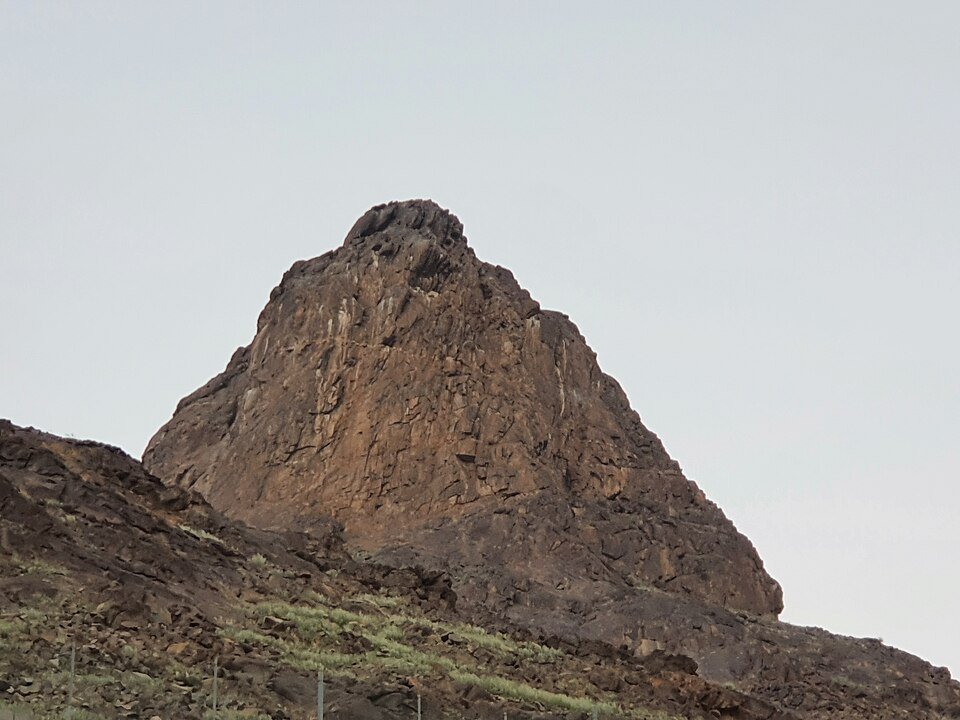
Jabal al-Nour, the Mountain of Light, and the Cave of Hira near its summit are well known as the site where the Prophet Muhammad received the first revelation. Many tours stop at the base for photographs without pilgrims actually making the climb, which involves a genuinely steep, uneven path taking most people between one and two hours round trip.
Pilgrims who are able to make the climb, and who plan for it properly with good footwear, water and a realistic time allowance, often describe it as one of the most moving parts of their trip, precisely because it takes more effort than a drive-by stop.
Jabal Thawr, the quieter alternative
Jabal Thawr, associated with the cave where the Prophet Muhammad and Abu Bakr sheltered during the migration to Madinah, sits south of Makkah and sees noticeably fewer visitors than Jabal al-Nour. The climb is longer and more demanding, which is exactly why it tends to be missed by pilgrims on a standard itinerary. For those with the time and physical capacity, it offers a quieter, less crowded experience of a site with real historical weight.

Smaller historical markers around the city
Beyond the mountain sites, Makkah has a scattering of smaller historical markers and locations connected to early Islamic history that rarely appear on standard tourist routes, often because they are unmarked, difficult to identify without local knowledge, or simply overshadowed by the larger sites. A knowledgeable local driver or guide, rather than a generic tour package, is often the best way to find these, since local knowledge matters more here than a fixed itinerary.
Planning transport to less-visited sites
- Book a private driver rather than a fixed-route group tour if you want the flexibility to reach less common sites, since group tours are built around efficiency and the standard circuit.
- Ask your driver directly whether they know of, or have taken pilgrims to, specific sites you are interested in, rather than assuming a general Ziyarah package will cover them.
- Allow more time than you think you need, particularly for sites involving walking or climbing, since these take longer than a simple drive-and-view stop.
- Confirm whether the site requires any special access considerations, such as limited opening times or physical difficulty, before committing to it as part of your day’s plan.
Balancing effort against reward
Not every lesser-known site is worth the extra effort for every pilgrim, and that is a genuinely personal decision.
Elderly pilgrims or those with mobility limitations may reasonably prefer to view Jabal al-Nour from below rather than attempt the climb, and there is no shortage of meaning in doing so respectfully. For pilgrims who are physically able and interested in a deeper connection to the history behind these sites, though, going a little further than the standard circuit often becomes one of the most memorable parts of the trip.
A practical note on heat and timing
Because many of these lesser-known sites involve time outdoors, timing your visit for early morning, before the heat builds, makes a real difference to how manageable the experience is. This is particularly important for any site involving a climb, where midday heat can turn an already demanding walk into something genuinely risky for those not used to the conditions.
In summary
Makkah’s most memorable Ziyarah experiences are not always the ones on the standard tour route. Jabal al-Nour beyond the base, the quieter Jabal Thawr, and smaller historical markers scattered through the city all reward pilgrims willing to plan a little more carefully and travel with a driver who understands what they are looking for. Weigh the physical demands honestly, time your visit for cooler hours, and treat these extra stops as a considered addition to your trip rather than an afterthought.
Related guides
- Jabal al-Nour and Jabal Thawr: Planning Ziyarah Transport to the Mountain Sites
- Cave of Hira Ziyarah: Transport and Physical Access Considerations
- Makkah Ziyarah Transport Planning