

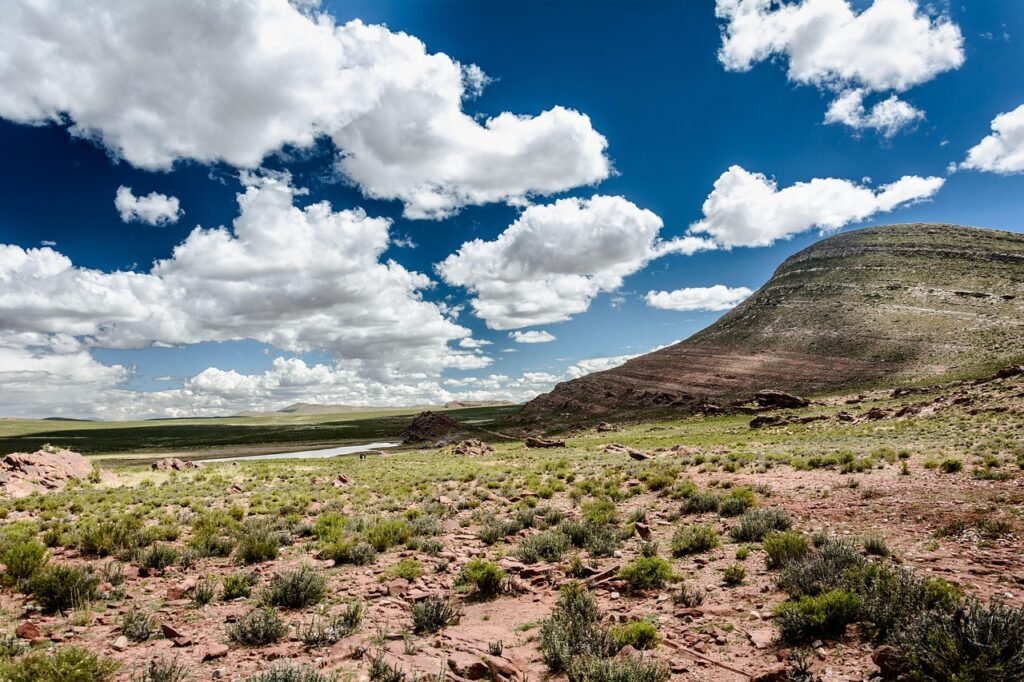
A trip to the martyrs’ cemetery at the foot of Jabal Uhud is one of the most commonly included stops on a Madinah ziyarah itinerary, and it is also one that pilgrims often arrive at without much sense of what to expect. It sits some distance north of central Madinah, it carries real historical and religious weight, and the way you visit, how long you stay, and how you behave once you are there, matters more here than at almost any other ziyarah stop. This guide focuses specifically on the logistics of getting to Uhud and the martyrs’ cemetery, not on Madinah ziyarah planning in general.
Reviewed planning guidance. Details can change; use the linked official sources and get a live quote for current pricing and availability.
What Uhud and the martyrs’ cemetery actually are
Jabal Uhud is the mountain that overlooks the site of the Battle of Uhud, a significant early event in Islamic history. At its base lies the cemetery where the martyrs of that battle, including Hamzah ibn Abdul-Muttalib, are buried. For pilgrims, this is a site of remembrance and reflection rather than a scenic stop, and it is treated with a level of quiet respect that differs noticeably from a typical tourist visit. Many visitors pray briefly, reflect on the history of the site, and send salutations, and then move on without lingering unnecessarily around the graves themselves.
Understanding this distinction matters for how you plan the transport side of the visit. This is not a stop where you wander freely for an extended period taking photographs. It tends to be a shorter, more focused stop than other ziyarah sites, and knowing that in advance helps you set a realistic itinerary for the day.
A brief note on the history
The Battle of Uhud took place in the early years of the Islamic calendar, and the mountain and cemetery have carried deep significance for Muslims ever since. Most guides and drivers who regularly bring pilgrims to the site can give a short, respectful summary of its history as part of the visit, and many pilgrims find that having a little of this context beforehand adds real meaning to what would otherwise be a brief stop at a quiet, unassuming site. If you want a more detailed account of the history, that is better sourced from an Islamic studies text or a knowledgeable guide than from a transport guide like this one, which focuses on the practical side of getting there.
Distance and journey time from central Madinah
Uhud sits a short drive north of the Prophet’s Mosque and the central hotel district where most pilgrims stay, generally within a fifteen to twenty five minute drive depending on your specific hotel location and traffic conditions at the time. It is close enough to combine comfortably with other Madinah ziyarah stops in a single outing, rather than needing a dedicated half day trip on its own.
Traffic around Madinah can vary significantly depending on the time of day and whether you are travelling during a particularly busy period such as Ramadan or the weeks around Hajj, when the city sees a substantial increase in pilgrim numbers. Building a little flexibility into your timing, rather than assuming the drive will always take exactly the same number of minutes, is sensible.

Typical stop duration and what to expect on arrival
Most pilgrims spend somewhere between twenty and forty five minutes at the site itself, though this varies depending on group size, how many people want to pray or reflect individually, and whether your group is visiting with a guide who explains the historical background as part of the stop. There is a viewing area near the cemetery boundary where pilgrims typically stand to offer salutations, and clear guidance is generally provided on site about where visitors should and should not walk.
Parking and drop-off near the site is generally straightforward outside of peak pilgrimage periods, though it can get considerably busier during Ramadan and around Hajj, when the volume of pilgrim traffic through Madinah increases sharply. If you are visiting during one of these periods, allowing extra time for your driver to find parking, and for the walk from the vehicle to the site itself, is worth factoring into your schedule.
Terrain and accessibility at the site
Unlike some of the other historically significant sites around Makkah and Madinah, the viewing area at the martyrs’ cemetery does not involve a climb or difficult terrain. The ground is generally level and the walk from the parking area is short, which makes Uhud a realistic stop for elderly pilgrims, wheelchair users, and anyone travelling with young children, in a way that is simply not true of some other ziyarah sites in the region. If mobility is a concern for anyone in your group, it is worth mentioning this to your driver in advance so they can choose a drop-off point as close as reasonably possible to the viewing area.
Respectful visiting etiquette
A cemetery of this significance calls for a particular standard of behaviour. Speaking quietly, dressing modestly, and avoiding loud conversation or unnecessary photography around the graves themselves is expected. Many pilgrims choose not to photograph the graves directly at all, out of respect, even where general photography of the surrounding area is not restricted. If you are travelling with children, a brief explanation beforehand of what the site is and how to behave there tends to make the visit smoother for everyone.

Best times to visit and avoiding the busiest periods
Like most ziyarah sites, Uhud tends to be quieter earlier in the day, before the heat builds and before the volume of group tours passing through picks up. If a calm, unhurried visit matters to you, particularly if the purpose of your trip is reflection rather than simply covering a list of sites, an earlier start is worth discussing with your driver. During Ramadan and the weeks around Hajj, expect noticeably higher visitor numbers throughout the day, and build extra time into your schedule accordingly rather than assuming the visit will move at the same pace it would during a quieter month.
Combining Uhud with other Madinah ziyarah stops
Because the stop at Uhud is relatively short, it is commonly combined with other Madinah ziyarah sites in the same outing, such as Masjid Quba or the site of the Battle of the Trench, to make a single, efficient trip rather than several separate journeys out from your hotel. If you are planning your own route rather than joining an organised group tour, discussing the order of stops with your driver in advance, based on your hotel location and the time of day you are travelling, generally produces a smoother day than deciding the route as you go.
For a broader look at how Uhud fits alongside other Madinah ziyarah sites, including typical timing and what a fuller Madinah ziyarah day might look like, our guide on Madinah ziyarah transport stops, timing and group needs covers the wider planning picture. This article focuses specifically on the Uhud and martyrs’ cemetery leg of that trip.
Fitting Uhud into your wider Madinah transport plan
Most pilgrims visiting Madinah are also managing an airport transfer at either end of their stay, and it is worth thinking about ziyarah trips like Uhud as a separate booking from those transfers rather than assuming one arrangement automatically covers the other. If you are flying via Prince Mohammad Bin Abdulaziz Airport, our guide to transport from the airport to Madinah covers that leg of the journey specifically, while our guide on when to leave your Madinah hotel for the airport is useful for planning your departure once your ziyarah visits, including Uhud, are complete.
A private driver who is familiar with the Uhud route and the etiquette expected at the site can also help keep the visit calm and unhurried, rather than feeling like a stop squeezed between two other bookings. If Uhud is a priority for your trip, it is worth saying so clearly when you book, so your driver can plan the timing of the day around it rather than treating it as an afterthought.
Frequently asked questions
How far is Uhud from central Madinah?
It is typically a fifteen to twenty five minute drive from the central hotel district near the Prophet’s Mosque, making it easy to combine with other Madinah ziyarah stops in the same outing.
How long do most pilgrims spend at the martyrs’ cemetery?
Most visits last around twenty to forty five minutes, since this is a site for brief reflection and salutations rather than an extended sightseeing stop.
Is photography allowed at the martyrs’ cemetery?
General photography of the surrounding area is common, but many pilgrims choose not to photograph the graves themselves directly, out of respect for the site’s significance.
Is Uhud accessible for elderly pilgrims or wheelchair users?
Yes, generally. Unlike some other historically significant sites, the viewing area is on level ground with a short walk from parking, which makes it a realistic stop for most pilgrims regardless of mobility.
Can Uhud be combined with other Madinah ziyarah stops in one trip?
Yes, it is commonly combined with sites such as Masjid Quba or the Battle of the Trench location, since the relatively short stop at Uhud fits well alongside other nearby stops in a single outing.
Does visiting Uhud need to be booked separately from an airport transfer?
Generally yes. Ziyarah trips like Uhud are usually a separate local transport booking from your airport transfer, so it is worth arranging both specifically rather than assuming one covers the other.
Checked sources
Official information for your planning
Transport, airport, visa and visitor arrangements can change. These official sources are provided so you can check the current position for your journey. Checked 2026-07-25.
Hajj & Umrah Taxi can plan your Madinah ziyarah trip, including a respectful, unhurried visit to Uhud and the martyrs’ cemetery, alongside your airport transfers and Makkah to Madinah transport. Book with a fixed price agreed in advance, so your driver can focus on the route and the timing rather than negotiating on the day.