

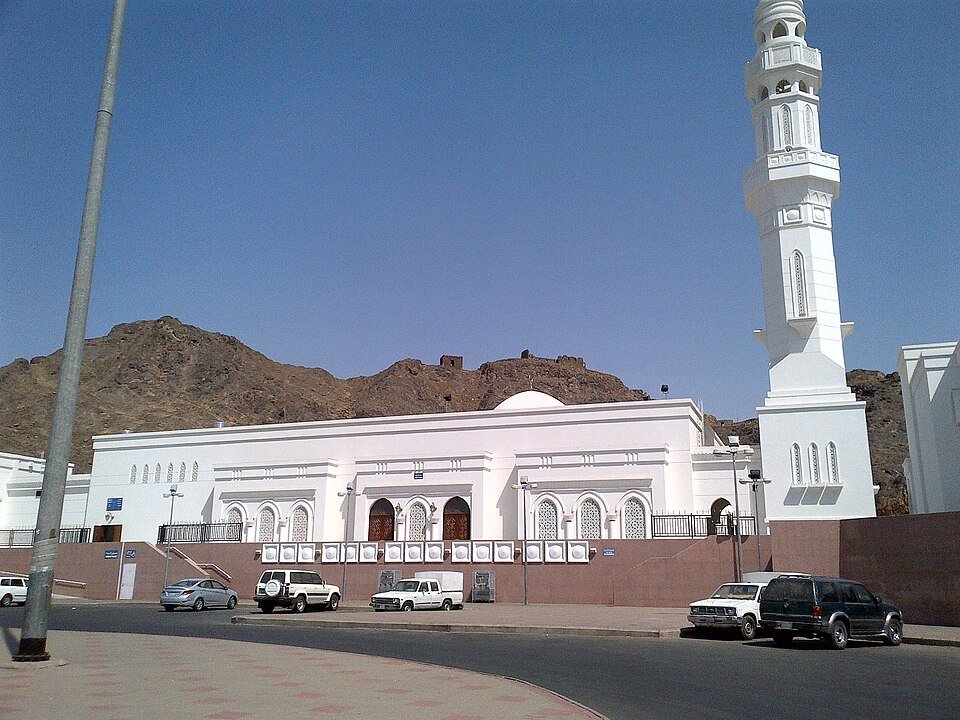
The Seven Mosques, known locally as Sab’u Masajid, form one of the most popular Ziyarah routes in Madinah, tracing a cluster of small historic mosques linked to the Battle of the Trench. For pilgrims wanting to connect with an important chapter of early Islamic history in a single, manageable outing, this route is a natural choice. Here is what the Seven Mosques are, how the route works, and how to plan the transport around it.
What the Seven Mosques are
The Seven Mosques sit on the western edge of Madinah, near the site of the trench dug to defend the city during the Battle of the Trench, one of the pivotal battles of early Islamic history. The cluster includes small mosques associated with the Prophet Muhammad and several of his companions, including Salman al-Farisi, who is credited with proposing the trench strategy, along with Abu Bakr, Umar ibn al-Khattab and Ali ibn Abi Talib. Not all of the original seven structures survive in the same form today, and some have been rebuilt or restored, but the site as a whole remains a well-known and meaningful stop on the Madinah Ziyarah trail.

Where the route is and how long it takes
The Seven Mosques cluster sits within a compact area, generally around a fifteen to twenty minute drive from central Madinah depending on traffic. Because the mosques are close together, the route itself, once you arrive, is largely done on foot or with short hops between each site, making it a relatively efficient Ziyarah stop compared with destinations spread further across the city.
A visit covering the main mosques in the cluster, with time to appreciate each one, typically takes forty five minutes to an hour on top of travel time. Pilgrims who want a slower, more reflective pace, or who are interested in the detailed history behind each mosque, can easily extend this to ninety minutes.
Planning the visit
Best time to go
Mornings tend to be quieter and cooler, which matters given that walking between the mosques involves some time outdoors. Avoiding the midday heat, particularly in the warmer months, makes for a more comfortable visit, especially for elderly pilgrims or those travelling with young children.
Combining with other Ziyarah sites
The Seven Mosques route is often paired with a visit to Masjid al-Qiblatain, which sits reasonably close by, allowing both historically linked sites to be covered in a single half-day tour. Some itineraries also combine this route with a stop at Quba Mosque, though that adds meaningfully to the overall time needed, so it is worth discussing a realistic schedule with your driver or tour operator before committing to a longer combined route.

Transport options
- Organised Ziyarah tour: A convenient option if you want the Seven Mosques included alongside other Madinah sites, with a driver or guide who knows the route and can offer historical context at each stop.
- Private taxi: Better suited to pilgrims who want to set their own pace, spend longer at particular mosques, or combine the visit with just one or two other nearby stops rather than a full tour itinerary.
- Group transport: For larger families or community groups, a private vehicle sized for the group avoids the cost and coordination of multiple taxis, particularly useful given the walking involved once you arrive at the cluster.
Whichever option you choose, confirm in advance whether the price includes waiting time while you move between the mosques on foot, since this route involves more walking between stops than many other single-site Ziyarah visits.
Etiquette and practical notes
- Wear comfortable, modest clothing suited to walking between several small mosques.
- Carry water, particularly in warmer months, since the outdoor walking between sites adds up.
- Be respectful of any worshippers present at each mosque, keeping noise to a minimum.
- Check with your guide or driver which of the mosques are open for entry versus viewed from outside, since this can vary.
In summary
The Seven Mosques offer a compact, historically rich Ziyarah route that suits pilgrims wanting to connect with the story of the Battle of the Trench in a single outing. Budget around an hour for the visit itself, plan around cooler parts of the day where possible, and decide in advance whether you want to combine the route with other nearby sites so your driver can plan a realistic, unhurried itinerary.
Related guides
- Madinah Ziyarah Transport: Stops, Timing and Group Needs
- Madinah Airport to Quba Mosque and Key Ziyarah Sites: Planning Ahead
- Uhud and the Martyrs’ Cemetery: Madinah Ziyarah Transport Planning