What Changes About Hajj Transport Planning in Your Second or Third Year
Reviewed planning guidance. This article is general planning guidance for pilgrims arranging ground transport for Umrah or Hajj. Always check your airline’s current baggage rules and the latest Nusuk guidance before you travel.
The first time you perform Hajj, almost everything about transport planning is new: which airport to fly into, how the Mina and Arafat routes work, how far ahead you need to book a driver. By your second or third Hajj, the instinct is often to assume the whole process will simply repeat itself. In practice, several things genuinely do change, from how Nusuk treats returning applicants to how you personally choose to travel once you know what the days actually feel like. Some of what changes is practical, tied to permits, quotas and provider capacity. Some of it is personal, shaped by what you learned about your own stamina, patience and preferences the last time you were in Ihram. This article looks specifically at what shifts for repeat Hajj pilgrims, not at general first-timer advice you have likely already worked through once.
Your own experience changes what you actually need
The biggest practical difference between a first and a second or third Hajj is not the infrastructure, it is you. On a first Hajj, many pilgrims book the most comprehensive, most closely guided transport option available, partly out of caution and partly because they simply do not know what to expect at Jamarat, at the Mina camps, or on the road between Makkah and Arafat. By a second or third Hajj, you usually know your own pace, your own tolerance for walking versus riding, and which parts of the journey genuinely tired you out last time.
This experience lets you plan transport around your actual needs rather than a generic itinerary. Some returning pilgrims deliberately book less, choosing to walk stretches they now know are manageable and reserving private transport for the legs that were physically hardest before, such as the return from Muzdalifah or the transfer back to Makkah after the final stoning days. Others do the opposite, having learned from a first Hajj that they underestimated the heat or the crowd density, and now book more private capacity than before. Either way, the planning conversation with a transport provider becomes more specific and less generic. You are no longer describing Hajj in the abstract, you are describing your own Hajj, with its own particular pressure points.
It also changes how you think about companions travelling with you. If you are bringing an elderly parent, a spouse, or children on this Hajj having gone alone or with fewer dependants before, the transport plan that suited you last time may not suit the group you are travelling with now. Their pace, not yours, becomes the one worth planning around.
Nusuk and permit requirements can differ for returning pilgrims
One area that catches out experienced pilgrims is assuming their documentation process will be identical to last time. Hajj permit rules, quota systems, and eligibility periods for repeat applicants are set by the Saudi authorities and can be adjusted between seasons, including rules that specifically affect how soon after a previous Hajj someone may apply again. This is not something to plan transport around from memory. Check the current requirements directly through hajj.nusuk.sa or haj.gov.sa before you commit to any transport dates, since your permit status determines the dates you are actually travelling on, and transport bookings should always follow confirmed permit and visa dates rather than the other way round.
If you hold residency in Saudi Arabia or are applying through a different route than your first Hajj, such as switching from a UK-based package to a residency-based application, the documentation pathway may differ again. This is worth confirming early, because it can shift your expected arrival city, your group size, or the point at which your transport actually needs to be arranged. It can also change which Tawafa establishment or group organiser is coordinating your movements on the ground, which is worth knowing before you assume last year’s arrangements will simply carry over.
Group versus private transport looks different the second time round
First-time pilgrims frequently travel as part of a larger organised group specifically because the group leader handles the unfamiliar logistics. Returning pilgrims often reassess this. Some stay with a group because they value the community and shared worship experience regardless of logistics. Others, having now seen how the group transport schedule actually runs, decide they would rather book private transport for at least part of the trip, particularly around the days of Mina, Arafat, and Muzdalifah where timing and crowd movement matter most.
A few points worth weighing if you are reconsidering this for a second or third Hajj:
Private transport gives you control over departure timing, which matters if you now know you prefer to move earlier or later than a group’s fixed schedule.
Group transport is usually more cost-effective per person and remains the simplest option if you are travelling with people who are new to Hajj themselves.
A mixed approach, where you use group transport for the standard airport and intercity legs but arrange private transport for specific Ziyarah visits or flexible days, is common among repeat pilgrims who want more control without giving up group support entirely.
If your physical needs have changed since your last Hajj, whether due to age, mobility, or health, this is the point to say so clearly when booking rather than assuming the same vehicle type will suit you.
None of these options is inherently better. What changes on a repeat Hajj is that you are choosing deliberately, based on what you actually experienced, rather than defaulting to whichever option felt safest when you knew nothing about the journey at all.
Booking timelines and budgeting mature with experience
First-time pilgrims sometimes book transport later than ideal simply because they do not yet appreciate how quickly capacity around Hajj season fills. Repeat pilgrims usually correct this the second time, booking their intercity and airport transfers earlier once they have felt the effect of high demand around the Hajj dates. If your first Hajj involved a stressful scramble to confirm a driver close to departure, treat that as the clearest lesson to apply this time.
The other calendar-related shift is knowing which days actually need the most planning attention. First-timers often focus heavily on the outbound Jeddah or Madinah transfer and think less about the return leg, the transfer between Mina and Arafat, or getting back to a Makkah hotel after Muzdalifah. Having lived through the full cycle once, returning pilgrims tend to plan the middle days of Hajj, not just the arrival and departure, with the same level of detail.
Budgeting expectations mature alongside the calendar. First-time pilgrims sometimes book the cheapest available transport without fully understanding what that price does and does not include, then find themselves paying for extras during the trip itself. By a second or third Hajj, most pilgrims have a much better sense of what a realistic, all-in transport cost looks like for the level of comfort and flexibility they actually want. This usually means asking more direct questions upfront: what is included in a quoted price, whether it covers the full Hajj period or only specific transfers, and what happens if plans change on the ground. A fixed, transparent quote agreed before you fly remains the simplest way to avoid surprises, whichever Hajj this is for you.
Mina, Arafat and Muzdalifah logistics feel different once you have done them
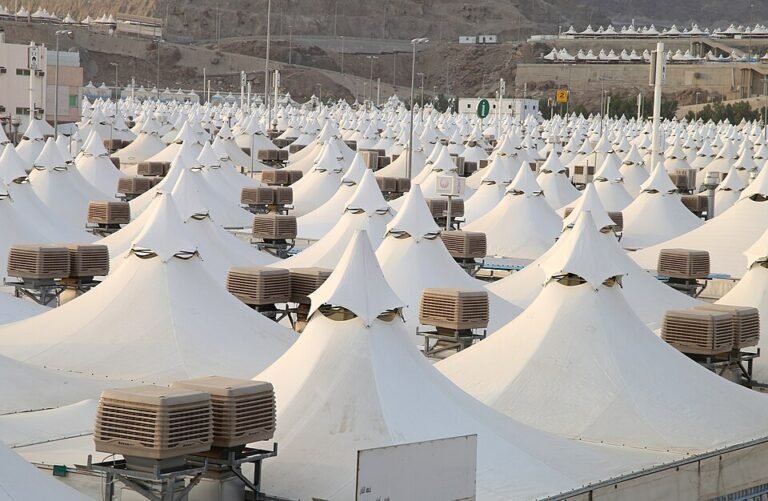
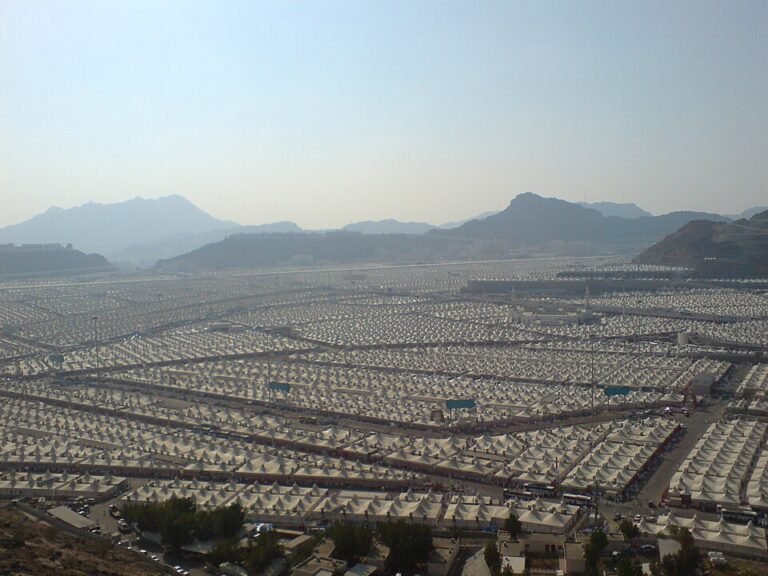
Nothing about the Mina tent city, the walk to Jamarat, or the overnight stay at Muzdalifah is described adequately by a checklist. Repeat pilgrims tend to have a much clearer sense of how long these transitions actually take, how crowded specific routes get at specific times, and how much rest they personally need built into the schedule. This experience is genuinely useful when discussing transport with a provider, because you can describe the specific stretches you found difficult rather than relying on general first-timer guidance.
Some returning pilgrims also have a clearer view of when to avoid the busiest movement windows altogether, choosing to shift their own timing slightly around the group schedule where that flexibility exists, rather than treating every transfer as fixed and unavoidable.
It is also worth being honest with yourself about what has changed physically since your last Hajj. A transport plan that worked comfortably five years ago may need adjusting if your mobility, stamina, or health has changed since. This is a normal and common conversation to have when booking, not something to feel awkward about raising.
Frequently asked questions
Q: Does my Hajj permit application process change if I have already performed Hajj before? A: Rules on repeat applications, including any minimum gap between Hajj visits, are set by the Saudi authorities and can change between seasons, so always confirm current requirements on haj.gov.sa or hajj.nusuk.sa before assuming your previous experience still applies.
Q: Is it worth switching from group to private transport on a second Hajj? A: It depends on what you valued about your first Hajj. Many pilgrims keep group transport for the community aspect but add private transport for specific legs where they now know they want more control over timing.
Q: Should I book transport earlier for a second or third Hajj than I did the first time? A: Generally yes. Most repeat pilgrims report that Hajj-season capacity fills faster than first-timers expect, so booking earlier based on what you learned last time is a sensible adjustment.
Q: How much does experience actually change what vehicle or service level I need? A: It varies by person, but common adjustments include requesting more rest stops, a different vehicle size for comfort, or splitting the trip between group and private transport based on which legs were hardest before.
Q: Does my transport provider need to know this is not my first Hajj? A: It helps. Mentioning your previous experience, what worked, and what did not, allows a provider to plan around your actual needs rather than defaulting to a generic first-timer itinerary.
Q: Where should I check the latest official guidance before finalising transport plans? A: Use the official Nusuk platform and the Ministry of Hajj and Umrah site as your primary sources, and check UK government travel advice for Saudi Arabia if you are travelling from the UK, rather than relying on what applied during a previous Hajj.
If you would like help matching your plans to the right vehicle, Hajj & Umrah Taxi can put together a fixed-price quote based on your exact travel details. Get in touch before you fly and we will make sure your transport is arranged around how you are actually travelling, not the other way round.
UK Travel Agent or Direct Saudi Booking: Hajj Transport Compared
Reviewed planning guidance. This article is general planning guidance for pilgrims arranging ground transport for Umrah or Hajj. Always check your airline’s current baggage rules and the latest Nusuk guidance before you travel.
Once your Hajj package is confirmed, one practical question tends to surface fairly quickly: should the ground transport be arranged through the same UK travel agent who booked your flights and accommodation, or is it better to deal directly with a provider based in Saudi Arabia? Both routes will get you and your group from Jeddah or Madinah airport to your hotel and around the holy sites, but they differ in who is actually accountable for the vehicle that shows up, how clearly you can see what you are paying for, and how easy it is to sort out a problem once you are already travelling. For a trip with fixed, faith-bound dates and no room for a missed pickup, that difference is worth understanding before you commit to either route.
Two Routes, Very Different Chains of Responsibility
A UK travel agent selling a Hajj package rarely owns or operates vehicles in Saudi Arabia. In most cases they are reselling ground transport from a Saudi-based operator or a local ground handler, adding their own margin and their own layer of coordination on top. When you book directly with a Saudi provider, you remove one link from that chain: you are dealing with the company that actually owns the vehicles, employs the drivers, and will be the one your group calls if a pickup time needs to change at short notice.
Neither structure is automatically better. A longer chain can mean more people checking your booking is correct, or it can mean more room for a message to get lost between the UK office and the driver on the ground. A shorter chain can mean faster answers, or it can mean you are the one absorbing any confusion that would otherwise have been smoothed over by an agent acting on your behalf. The point is to know which chain you are in, and who sits at each link of it, before you rely on it during Hajj days, when your schedule is fixed and there is little room to improvise.
What a UK Travel Agent Typically Arranges
Booking transport as part of a UK agent’s Hajj package usually means it is bundled with everything else: flights, visa processing, accommodation in Makkah and Madinah, and sometimes a guide or group leader who travels with you. For many first-time pilgrims, this bundling is the whole appeal, since it removes the need to coordinate separate suppliers from home.
A single point of contact in the UK, often reachable by phone during UK office hours, before you fly.
Transport folded into one package price, which can make budgeting simpler even if it makes the transport cost itself harder to isolate.
A group structure, with transport scheduled around the wider itinerary the agent has built for your group.
Less flexibility if your own plans differ slightly from the group’s, since the transport is usually set to match the package, not your individual preferences.
The trade-off is visibility. Because transport sits inside a bundled price, it can be genuinely difficult to know what you are paying for the vehicle itself, what standard of vehicle to expect, or who the underlying operator is until you are already in Saudi Arabia.
What Booking Directly With a Saudi Provider Involves
Booking transport directly means dealing with the company that will actually carry out the journey, separately from however you arranged your flights, visa, and accommodation. This route suits pilgrims who want to see a specific price for a specific vehicle and route, rather than a transport line buried inside a wider package total.
It also means you carry more of the coordination yourself. You will typically need to confirm your own flight details, arrival terminal, group size and luggage, and any Nusuk-related documentation directly with the provider, rather than having a UK agent relay that information on your behalf. For pilgrims travelling independently, or those who have already sorted their visa and accommodation separately, this is often a natural fit. For a large family group used to having one person manage everything, it can feel like an extra task to take on, particularly when different family members are arriving on different flights or joining the group partway through the trip.
Some pilgrims split the difference deliberately: they book flights, visa processing, and accommodation through a UK agent, then arrange ground transport directly with a Saudi provider once their travel dates are confirmed. This is a perfectly workable approach, provided the transport booking is made against confirmed flight times rather than provisional ones, since a change to either side of that arrangement will not automatically update the other.
Cost and Where Your Money Actually Goes
Cost comparisons between the two routes are genuinely difficult to make cleanly, because a UK agent’s package price is rarely broken down into flights, hotel, and transport as separate figures. When transport is bundled, you are trusting the agent’s overall pricing rather than comparing a specific transport quote against another.
Booking directly with a Saudi provider tends to make the transport cost more transparent, since you are quoted for the vehicle and route rather than a share of a package. This does not automatically make direct booking cheaper. A UK agent may have negotiated group rates with a Saudi operator that are hard to match individually, particularly for large groups travelling together. What direct booking does reliably offer is clarity: you know what the transport itself costs, separate from everything else in your trip, which makes it easier to judge whether the price is reasonable for the vehicle and distance involved.
Whichever route you choose, ask for the transport cost as its own line item wherever possible. If a UK agent cannot separate it out, that is worth noting, not necessarily as a red flag, but as a reason to ask more questions about who is actually operating the vehicle.
Accountability and Recourse If Something Goes Wrong
This is where the two routes tend to diverge most in practice. If a UK travel agent has arranged your transport as part of a package and something goes wrong, such as a missed pickup or a vehicle that does not match what was promised, you have a UK-based company to hold accountable, with UK consumer protections potentially behind that relationship depending on how the package was sold and paid for. The practical downside is that the agent still has to relay your complaint to the actual operator on the ground, which can slow down a resolution while you are mid-trip.
If you have booked directly with a Saudi provider, you are dealing with the operator directly, which can mean a faster response if their customer service is responsive, since there is no intermediary to relay messages through. The trade-off is that your consumer protections and dispute options sit with a company based outside the UK, which changes what recourse looks like if a serious problem arises. For either route, it is worth checking, before you fly, exactly how the company handles a no-show or a significant delay, and keeping a written record of your booking confirmation and any communication.
How This Fits Around Nusuk and Your Documentation
Whichever route you choose for transport, it needs to sit correctly alongside your Nusuk registration and Hajj permit. Nusuk is the official platform through which Hajj is coordinated, and your transport arrangements should reflect the dates and details registered there rather than working around them. Check the latest guidance on hajj.nusuk.sa before finalising any transport booking, whether through a UK agent or a Saudi provider directly, so your ground travel matches what is actually on your permit.
A UK agent handling your full package will usually coordinate transport timing with your visa and permit dates as part of the service. If you are booking transport directly and separately, that alignment becomes your responsibility, which is one more reason to confirm your Nusuk status and permit dates before you lock in a transport booking rather than after.
Frequently asked questions
Q: Is it cheaper to book Hajj transport directly with a Saudi provider than through a UK agent? A: Not necessarily. A UK agent may secure group rates that are hard to match individually, while a direct booking gives you a clearer, separate price for the transport itself. Compare the actual vehicle and route on offer rather than assuming either route is automatically cheaper.
Q: Can I book my flights and visa through a UK agent but arrange transport separately? A: Yes, many pilgrims do this. If you take this approach, make sure your transport booking is confirmed against your actual flight times and Nusuk permit dates, since no single company is coordinating all three for you.
Q: What should I ask a Saudi transport provider before booking directly? A: Ask what vehicle type is included, how pickup confirmation works on the day, what happens if your flight is delayed, and how to reach them once you are in Saudi Arabia. Get the answers in writing before you pay.
Q: Does a UK travel agent take legal responsibility for the transport in my package? A: This depends on how the package was sold and paid for. Ask the agent directly what protection applies to the transport element of your booking, and keep your booking confirmation and payment records.
Q: Will my UK agent tell me which Saudi company actually operates the vehicles? A: A reputable agent should be able to tell you, even if transport is bundled into your package price. If an agent cannot or will not name the operator, treat that as a reason to ask further questions before travelling.
Q: Does my transport booking need to match my Nusuk permit exactly? A: Your transport should be arranged around the dates and details registered through Nusuk rather than the other way round. Check haj.gov.sa for the latest official guidance on how your permit and travel arrangements should align.
If you would like help matching your plans to the right vehicle, Hajj & Umrah Taxi can put together a fixed-price quote based on your exact travel details. Get in touch before you fly and we will make sure your transport is arranged around how you are actually travelling, not the other way round.
Hajj Transport Insurance and Cancellation Cover: What to Check Before You Pay
Reviewed planning guidance. This article is general planning guidance for pilgrims arranging ground transport for Umrah or Hajj. Always check your airline’s current baggage rules and the latest Nusuk guidance before you travel.
Most pilgrims spend weeks comparing flights, visas and accommodation, then book their ground transport in a hurry, often without reading the cancellation terms at all. Yet transport is one of the few parts of a Hajj or Umrah trip that genuinely has to run on time, whether that is a pickup timed to a flight landing or a scheduled departure from Mina during the Hajj days. This article walks through what “insurance” and “cancellation cover” actually mean in the context of ground transport, what is realistic to expect, and the questions worth asking before you hand over any payment.
Why transport cover is different, and what should already be in place
Travel insurance for pilgrims usually focuses on medical costs, lost luggage and flight disruption. Ground transport rarely gets the same attention, yet it carries its own risks. A driver who does not show up at Jeddah airport at two in the morning, a group departure that is cancelled the day before Arafat, or a change of plan that means you no longer need a booked Makkah to Madinah transfer, all sit outside what a standard travel insurance policy is built to handle.
It helps to separate two different things that often get bundled together under the word “insurance”:
Vehicle and journey insurance, which covers the vehicle, driver and passengers in the event of an accident or breakdown during the journey itself.
Cancellation or refund cover, which determines what happens to your money if you or the provider need to cancel, delay or change a booking before the journey takes place.
Both matter, but they are handled through different routes: vehicle insurance is a legal and operational matter for the transport company, while cancellation terms are a contractual matter between you and whoever you booked with. Confusing the two is one of the most common reasons pilgrims end up disappointed after a cancellation.
Any licensed transport provider operating in Saudi Arabia is required to carry vehicle insurance as a condition of holding a commercial licence. This is not something you need to arrange separately, and no reputable operator will ask you to pay extra for it as an add-on. What you can reasonably ask before you pay is simple and direct:
Is the vehicle registered as a licensed commercial transport vehicle, not a private car being used informally?
Does the driver hold a valid commercial licence for passenger transport?
Is there a way to confirm the vehicle and driver details before the journey, ideally matched to your booking confirmation?
If a provider cannot answer these questions clearly, or seems reluctant to confirm who will actually be driving, treat that as a warning sign regardless of how competitive the price looks. This is a safety question first and a cover question second, and it belongs in the same conversation as any pricing discussion, not as an afterthought. A booking confirmation that names the vehicle type and route, rather than a vague promise of “someone will collect you”, is a small detail that tells you a great deal about how carefully the rest of the arrangement has been thought through.
Cancellation cover: what a fair policy actually looks like
Cancellation terms vary enormously between transport providers, and there is no single industry standard the way there is for, say, airline refund rules. Before you pay a deposit or the full fare, look for clear answers to three questions:
How far in advance can you cancel or amend for a full refund? A reasonable window for Umrah transport is typically 24 to 48 hours before pickup. For Hajj period bookings, where demand is far higher and vehicles are harder to reallocate, providers often need more notice, sometimes a week or more.
What happens if the provider cancels on you? A fair policy should state plainly that you get a full refund or an equivalent alternative vehicle at no extra cost if the fault sits with the operator, not just when the fault sits with you.
Is there a distinction between a delay and a cancellation? A flight arriving four hours late is not the same as cancelling the journey outright, and the policy should say how each is handled separately.
Genuine emergencies during Hajj and Umrah are not rare. Illness, a missed connecting flight, or a change to a group’s Nusuk itinerary can all mean a booked transfer is no longer needed. A transport provider that has thought through cancellation terms in advance, rather than leaving them vague, is generally a sign of a more established and reliable operation overall. It is also worth asking whether a partial change, such as reducing the number of passengers or adjusting a pickup time by an hour or two, is treated as a full cancellation or simply an amendment, since providers differ on this and it can affect whether any fee applies at all.
Where travel insurance fits in, and where it does not
A general travel insurance policy bought for the trip can sometimes cover the cost of a missed or cancelled pre-paid transfer, but only under specific circumstances set out in the policy wording, such as a documented medical emergency, a cancelled flight, or a Foreign, Commonwealth and Development Office advisory affecting the route. It will not typically cover a simple change of mind, and it will almost never cover a dispute over a transport provider’s own refund practice.
Two practical points follow from this. First, keep your transport booking confirmation and any correspondence about a cancellation, since a travel insurer will ask for evidence, not just a description of what happened. Second, do not assume a transport provider’s cancellation policy and your travel insurance policy overlap. They are separate contracts, and treating them as interchangeable is how pilgrims end up out of pocket on both sides. Before you travel, it is worth checking the UK government’s own foreign travel advice for Saudi Arabia for anything that might affect insurance validity on your specific route or dates.
Questions worth asking before you pay
A short conversation before payment saves far more stress than a long argument afterwards. Whether you are booking a single airport transfer or a full Hajj transport package, it is reasonable to ask a provider to confirm the following in writing, whether that is an email, a booking confirmation, or a message thread you can refer back to later:
What is the cancellation deadline for a full refund, and does it change for Hajj period bookings versus Umrah bookings?
What happens if my flight is delayed and I arrive later than planned?
Who do I contact if the driver has not arrived within a reasonable window of the agreed pickup time?
Is the price fixed, or can it change after I have paid a deposit?
If part of a group booking is cancelled, does the whole booking need to be cancelled, or can it be adjusted?
Providers who have already worked through these scenarios will usually have a ready answer. Providers who have not are not necessarily unreliable, but you are taking on more of the uncertainty yourself, and it is worth knowing that before you pay rather than discovering it after something goes wrong. Keeping a written record of these answers alongside your booking reference also means that, if plans change close to your travel dates, you are relying on what was actually agreed rather than what you remember being said weeks earlier.
Group bookings and the Hajj days need extra scrutiny
Cancellation risk rises sharply once you move from a single airport transfer to a multi-day Hajj transport arrangement covering Mina, Arafat and Muzdalifah. These bookings usually involve a fixed schedule tied to the Hajj rites themselves, and a cancellation close to the date is genuinely harder for any provider to absorb, since the vehicle and driver may already be committed elsewhere. Groups travelling together, whether a family or a mosque group, should agree in advance who is responsible for managing the booking and its cancellation terms, rather than leaving it to whoever happened to make the payment.
It is also worth checking whether your Nusuk-registered Hajj package already includes ground transport as part of its terms, since duplicating a booking you already have covered is a common and avoidable cost. If your package operator arranges transport between Mina, Arafat and Muzdalifah as part of the Hajj rites, a separately booked transfer for the same leg is unnecessary and can create confusion on the day about which vehicle you are actually meant to be in. Where a group includes elderly relatives or anyone with mobility needs, it is worth confirming this in writing too, since a cancellation on a day tied to the Hajj rites leaves far less room to arrange an alternative than a cancellation before an ordinary airport transfer. For the latest on how transport is coordinated with your Hajj registration, refer to guidance from the Saudi Ministry of Hajj and Umrah and the official Nusuk Hajj platform.
Frequently asked questions
Q: Does a transport company’s own insurance cover my luggage if it is damaged? A: Vehicle insurance is generally about the vehicle, driver and passengers rather than personal belongings, so damaged luggage is more likely to fall under your own travel insurance policy. Ask the provider directly if you are carrying anything of particular value.
Q: Can I get a refund if I simply change my mind about a booking? A: This depends entirely on the provider’s cancellation policy and how much notice you give. It is exactly the kind of detail worth confirming before you pay, since a change of mind is treated very differently from a documented emergency.
Q: Is cancellation cover more restrictive during the Hajj period than for Umrah? A: Generally yes, because demand for vehicles is far higher and providers have less flexibility to reallocate a cancelled booking. Expect longer notice periods for a full refund during the Hajj days.
Q: Should I buy separate transport insurance, or rely on my general travel insurance? A: Most pilgrims rely on general travel insurance for anything related to medical emergencies or documented flight disruption, and rely on the transport provider’s own cancellation policy for everything else. Read both sets of terms rather than assuming one covers the other.
Q: What should I do if a driver does not arrive within a reasonable time of the agreed pickup? A: Contact the provider immediately using the number given at booking, and keep a note of the time you were due to be picked up. A provider with a clear cancellation and contact policy will usually resolve this quickly.
Q: Does travel insurance cover a cancelled transfer if my flight is simply delayed rather than cancelled? A: This varies by policy, and a delay is often treated differently from a cancellation. Check the specific wording of your policy, and separately check whether your transport provider treats a delayed arrival as a reason to adjust rather than cancel the booking.
If you would like help matching your plans to the right vehicle, Hajj & Umrah Taxi can put together a fixed-price quote based on your exact travel details. Get in touch before you fly and we will make sure your transport is arranged around how you are actually travelling, not the other way round.
Hajj transport demand on Tarwiyah day versus the days after
The 8th of Dhul Hijjah, known as the Day of Tarwiyah, marks the traditional start of the physical rituals of Hajj, when pilgrims move to Mina ahead of the Day of Arafah. Anyone planning Hajj transport should understand that demand and movement patterns on this day, and the days immediately after, are genuinely different from one another, and planning around that difference makes a real practical difference to your experience.
What happens on the Day of Tarwiyah
On the 8th of Dhul Hijjah, pilgrims move from Makkah to Mina, where they will spend the day and night before proceeding to Arafat on the 9th. The name Tarwiyah relates to the historical practice of pilgrims taking on water supplies before travelling onward, a reminder of how physically demanding this stage of the journey has always been. While some pilgrims today travel more directly to Arafat depending on their Hajj programme, moving through Mina on the 8th remains a widely followed part of the Hajj sequence and forms part of many Hajj missions’ organised schedules.
Because this movement happens on a single day, concentrated within Hajj mission and Muassasah coordinated transport plans, road and pedestrian routes into Mina see extremely high demand within a short window. This is one of the busiest single movements of the entire Hajj period.
How this differs from the days that follow
The days immediately after Tarwiyah, particularly the movement to Arafat on the 9th and the return through Muzdalifah, involve their own distinct surges, but the character of demand is slightly different. The 9th of Dhul Hijjah, the Day of Arafah, is the single most concentrated movement of the entire Hajj, since essentially the entire pilgrim population needs to be present at Arafat on that day for the standing, or Wuquf, which is central to the validity of Hajj. Movement out of Arafat toward Muzdalifah that evening, and onward to Mina again over the following days for the stoning rituals, each carry their own timing pressures.
In practical terms, this means transport demand across the Hajj days is not one continuous surge but a series of distinct peaks, each tied to a specific ritual and a specific, non negotiable timing. This is very different from ordinary travel demand, where a delay of a few hours is usually just an inconvenience. During Hajj, timing is tied to ritual requirements, which is part of why the organised, centrally coordinated transport system exists in the first place.
What this means for your planning
Expect transport during the Hajj days to be organised by your Hajj mission, Muassasah or accredited provider, following a schedule built around these ritual timings, rather than something you can adjust independently.
Build in significant extra time around each movement, particularly the move to Mina on Tarwiyah and the move to Arafat the following day, since these are among the busiest periods of the entire Hajj season.
Stay close to your group leader’s instructions on timing, since they will be working from the coordinated plan for your specific camp and mission.
Physically prepare for these days specifically, with appropriate footwear, hydration and rest beforehand, since the demands of walking and waiting during these peak movements are real regardless of which transport option your group uses.
Why understanding this helps even if you are not organising transport yourself
Even if all of your Hajj day transport is arranged for you as part of a package, understanding why the 8th of Dhul Hijjah and the days that follow feel so different from each other helps set realistic expectations. Delays and crowding during these specific windows are not a sign that something has gone wrong with your booking, they reflect the genuine scale of coordinated movement involved in bringing millions of pilgrims safely through the same sequence of rituals within a few days.
Patience, staying with your group, and following official guidance during these peak days matters more than any individual transport choice. The system is built to get everyone through safely, even when any single journey within it feels slower than you might expect.
How this affects your pre-Hajj preparation
Knowing that Tarwiyah and the Day of Arafah each represent distinct, extremely high demand movements, rather than one continuous busy period, helps you prepare more specifically. In the days immediately before Dhul Hijjah begins, focus your rest, hydration and any last minute errands on the days before the 8th, since from Tarwiyah onward your schedule will largely be dictated by the group movement plan rather than your own preferences. Arriving at the start of this period as rested and prepared as possible pays off across the following several days, not just on the first one.
It is also worth mentally separating the emotional significance of these days from any transport frustration you might feel. The crowding and the waiting are a direct result of the scale of shared worship happening around you, millions of people fulfilling the same rites at the same moments, rather than a sign that anything has gone wrong. Many pilgrims find that reframing the waiting itself as part of the experience, rather than an obstacle to it, changes how the days feel considerably.
It is also worth remembering that the intensity of these peak days is temporary, even if it does not always feel that way in the moment. Within a few days, the most acute transport pressure eases considerably as the core rituals of the Hajj days are completed and pilgrims begin moving at a more distributed pace again. Keeping this bigger picture in mind, that the hardest transport days are also the shortest and most tightly bounded, can help manage expectations when queues and waiting feel at their most demanding.
Frequently asked questions
Is transport genuinely busier on Tarwiyah than on an ordinary day in Makkah?
Yes, significantly. The concentrated movement of a large proportion of the pilgrim population into Mina within a short window on a single day creates demand unlike anything seen during the rest of the year.
Do all pilgrims travel through Mina on the 8th of Dhul Hijjah?
Practices vary depending on individual Hajj programmes and guidance followed, and this is something to confirm with your own scholars, group leader or Hajj mission rather than assume applies uniformly to everyone.
What is the busiest single movement of the entire Hajj period?
The movement to and gathering at Arafat on the 9th of Dhul Hijjah is widely regarded as the most significant and most concentrated movement of the entire Hajj, since presence at Arafat on that day is central to the pilgrimage itself.
Should I expect mobile phone networks to work normally during these peak days?
Network congestion is common during periods of extremely high concentrated usage. Agree a simple, low tech backup plan with your group in case calls or messages do not go through immediately, such as a fixed physical meeting point you can return to regardless of whether your phone works at that moment.
Does the weather affect transport timing on Tarwiyah and the days after?
Yes, heat in particular is a genuine factor during these days, and Saudi authorities and Hajj missions plan around it carefully. Follow guidance on hydration, rest and shade, and treat any advice to adjust timing for weather reasons as a sensible safety measure rather than an inconvenience.
GOV.UK, Saudi Arabia travel advice, pilgrimage section
What happens if your group’s official Hajj transport plan changes at short notice
One of the more unsettling things that can happen during Hajj is learning, sometimes with very little warning, that the official transport plan for your group has changed. Perhaps your camp’s scheduled bus movement to Arafat has shifted earlier, or the route back from Muzdalifah has been adjusted for crowd management reasons. It can feel alarming in the moment, but short notice changes are a normal, expected part of how Hajj is managed at this scale, and knowing what to expect helps you respond calmly rather than anxiously.
Why Hajj transport plans change at short notice in the first place
Hajj involves moving several million people between a small number of sites within a matter of days. Saudi authorities, working with Muassasah establishments, Hajj missions and accredited service providers, plan this movement in extraordinary detail, but the plan has to remain flexible enough to respond to real conditions on the ground, including crowd density, weather, and safety considerations at any given moment. A route or timing that looked right weeks in advance may need to be adjusted on the day itself to keep everyone moving safely.
This is fundamentally different from a regular taxi booking going wrong. It reflects a live, coordinated safety response covering millions of people, not a failure of your individual arrangements.
What usually happens when a plan changes
In most cases, changes are communicated down through the same chain that organised your transport in the first place: from Saudi authorities and Muassasah coordination, through your Hajj mission or accredited service provider, to your camp or group leader, and finally to you. This is why staying close to your group leader and camp during the Hajj days matters so much, even when it feels more convenient to go off independently. Your group leader is usually your fastest and most reliable source of accurate, updated information.
If you are travelling with a smaller, independently organised group rather than a large mission, the same principle applies at a smaller scale: whoever coordinated your Hajj day transport is your first point of contact if something changes, and they should have a way of reaching you, whether that is a group messaging channel, a meeting point, or simply briefing everyone in person each morning.
How to prepare for the possibility, without assuming the worst
Before Hajj begins, ask your group leader or provider directly how you will be informed if plans change at short notice.
Save emergency and coordination contact numbers in your phone, and keep a paper copy too in case of connectivity issues in crowded areas.
Stay with your group as much as possible during the Hajj days themselves, particularly during transitions between sites, since this is when changes are most likely to be communicated.
Keep your Nusuk documentation and Nusuk Card, if issued, on you at all times, since these help identify you as part of an organised group if you do become separated.
Agree a simple meeting point and plan with your immediate family or party in advance, in case phone networks become congested during peak movement times.
If you do get separated from your planned transport
If a change happens and you find yourself unsure where to go, the calmest and most effective response is usually to stay where you are, if it is safe to do so, and look for the nearest official coordination point, security personnel, or Hajj mission representative, rather than trying to independently navigate a large scale change on your own. Saudi authorities and Hajj missions have extensive experience managing exactly this kind of situation, and there are established channels for reconnecting separated pilgrims with their groups.
This is also a moment where having your documentation on you, rather than left at your accommodation, makes a real difference, since it helps anyone assisting you to identify your group and mission quickly.
Managing the emotional side of a sudden change
It is completely normal to feel anxious if a plan changes unexpectedly during Hajj, particularly for first time pilgrims. Try to remember that these adjustments exist precisely to keep pilgrims safe given the scale of movement involved, and that the systems in place, from Muassasah coordination to Saudi civil defence and Hajj security personnel, are built around managing exactly this kind of situation smoothly. Taking a breath, staying with those around you, and following instructions from officials or your group leader will serve you far better than trying to solve an unexpected change alone.
What a well-run group does differently
Experienced Hajj group leaders, and providers who have operated through many Hajj seasons, tend to build a simple daily rhythm into how they manage the Hajj days: a short briefing each morning covering the plan for that day, a clear, repeated meeting point if the group becomes separated at any stage, and a habit of counting the group at key transition points rather than assuming everyone is still together. None of this is complicated, but it is precisely this kind of unglamorous, repeated discipline that makes short notice changes far less stressful when they do happen, because everyone already knows what to do without needing new instructions in the moment.
If you are travelling with a smaller, informally organised group rather than a large mission, it is worth deliberately building this same habit in yourselves, even if it feels slightly unnecessary at the time. A five minute conversation each morning about the day’s plan and the fallback meeting point costs very little and can make a significant difference if something does change.
It also helps to remember that these adjustments are one of the clearest signs that the wider system is working as intended, rather than failing. Saudi authorities monitor crowd density, weather and road conditions continuously throughout the Hajj days, and a willingness to alter a plan at short notice, rather than rigidly sticking to a schedule that no longer fits real conditions on the ground, is a safety feature, not a flaw. Pilgrims who understand this in advance tend to find these moments far less unsettling than those who arrive expecting a perfectly fixed, unchanging timetable.
Frequently asked questions
How often do Hajj transport plans actually change at short notice?
Minor timing adjustments are relatively common given the scale of coordination involved, though significant changes are less frequent. Either way, being mentally prepared for the possibility, without expecting it as a certainty, is the most useful approach.
Who is actually responsible for telling me if my group’s plan changes?
This responsibility sits with the coordination chain linked to your Nusuk registration, typically flowing from Saudi authorities and Muassasah coordination through your Hajj mission or accredited provider to your group leader, who then informs you directly.
Should I try to contact my transport provider directly if I hear about a change from another source?
It is reasonable to ask your group leader or provider to confirm any change you hear about informally, since informal information passed between pilgrims is not always accurate. Always treat your official group leader or provider as your primary, reliable source.
What should I keep with me at all times during the Hajj days in case of a change?
Your passport or Nusuk documentation, your Nusuk Card if issued, emergency contact numbers written down as well as saved on your phone, water, and any essential medication. These matter regardless of whether a change to your transport plan occurs.
GOV.UK, Saudi Arabia travel advice, pilgrimage section
Hajj transport when your visa runs through a third-party agent, not Nusuk directly
Not every pilgrim books Hajj directly through the Nusuk platform themselves. Many people travel through a travel agent, community group or tour operator who handles the visa and package arrangements on their behalf. If that describes your situation, it is worth understanding how transport fits together when your visa has come through a third party rather than a booking you made yourself, because the responsibility for making sure everything lines up correctly does not disappear just because someone else is handling the paperwork.
Why the official platform still matters even with an agent involved
Whichever agent or operator you book through, the underlying Hajj visa and permit process runs through the official Nusuk Hajj platform operated by Saudi Arabia’s Ministry of Hajj and Umrah. A legitimate agent does not bypass this system, they use it on your behalf, typically as an accredited partner authorised to register pilgrims and arrange services within it. This distinction matters because it tells you what to check before you pay a deposit.
Both GOV.UK and the Ministry of Hajj and Umrah are consistent on this point: pilgrims should only book Hajj through the official Nusuk Hajj platform or through operators properly accredited to work within it, and should be wary of intermediaries or agents operating outside that system. GOV.UK travel advice specifically highlights that organised groups have targeted pilgrims with fraudulent Hajj bookings, and recommends verifying any agent’s credentials and protections before paying.
What to check about your agent before you rely on them for transport
Ask directly whether they are an accredited Hajj service provider registered within the Nusuk system, and ask to see confirmation of your own registration once it is made, not just a payment receipt.
If you are a UK based traveller, check whether the agent holds relevant travel protection, such as ATOL, since this affects what recourse you have if something goes wrong.
Get everything in writing, including exactly what transport is included in your package versus what you will need to arrange yourself.
Ask specifically how transport during the Hajj days themselves, between Mina, Arafat and Muzdalifah, is arranged, since this should be coordinated through your Muassasah or the accredited provider linked to your Nusuk registration.
Where confusion tends to arise
Assuming everything is included when it is not
Some pilgrims assume that because an agent has arranged their visa, all transport throughout the trip is automatically covered. This is not always the case. Some packages cover Hajj day transport and intercity transport but leave airport transfers, or transport for any additional days either side of Hajj, for the pilgrim to arrange separately. Ask your agent to confirm, item by item, exactly what is and is not included.
Dates not matching between your visa and your other bookings
Because your agent controls the timing of your Hajj visa application, it is worth double checking that the dates on your Nusuk registration match your flights and any independently booked transport or accommodation. A mismatch here can cause real problems, and it is far easier to catch and correct before you travel than after you land.
Losing direct contact with the accredited provider
In a longer chain, for example a local community group working with a UK based agent who in turn works with a Saudi accredited provider, it can become unclear who to contact if something changes at short notice. Ask your agent upfront who the accredited provider actually is, and whether you can get direct emergency contact details for them, not just for the agent who sold you the package.
If something feels wrong
If an agent is reluctant to confirm their accreditation, avoids putting details in writing, or asks for unusually large cash payments outside of normal booking channels, treat this as a serious warning sign rather than something to overlook because you are already committed. GOV.UK travel advice specifically warns that fraudulent Hajj booking scams exist and encourages pilgrims to verify credentials and use traceable payment methods. It is far better to raise concerns and, if necessary, walk away before paying than to discover a problem once you are already in Saudi Arabia.
A simple checklist before you travel
Confirm your agent’s accreditation status and get it in writing.
Confirm your Nusuk Hajj registration exists and matches your travel dates.
Get a clear, itemised list of what transport is and is not included in your package.
Obtain direct contact details for the accredited provider actually responsible for your Hajj day transport, not only your booking agent.
Keep copies of all confirmations, payments and correspondence accessible both digitally and on paper while you travel.
Booking through a third party agent is entirely normal and works well for the great majority of pilgrims. The key is treating the agent as one link in a chain that ultimately connects to the official Nusuk system, and taking a few minutes to verify that chain is intact before you rely on it.
Why community group bookings need extra care
Many UK pilgrims book Hajj through a local mosque or community group, which in turn works with a UK travel agent, who then works with a Saudi accredited provider. Each additional link in this chain is not necessarily a problem, community based bookings have worked well for a great many pilgrims over the years, but each link is also a point where information can become unclear if not communicated properly. If you are booking through a community group, it is entirely reasonable to ask the organiser the same accreditation and documentation questions you would ask any agent directly, rather than assuming a personal or community connection removes the need to check.
What good communication from an agent looks like
A reliable agent will proactively share your Nusuk registration confirmation once it exists, rather than waiting for you to ask. They will clearly separate what is included in transport terms from what you still need to arrange, and they will give you a direct emergency contact for Saudi Arabia, not just their own UK office number. If your agent volunteers this information without being asked repeatedly, it is a good sign of how they will handle communication if something changes closer to your travel dates.
Frequently asked questions
How can I check if an agent is genuinely accredited?
Ask the agent directly for their accreditation details and cross check this against official Nusuk and Ministry of Hajj and Umrah information where possible. If you are unsure, contact the Ministry of Hajj and Umrah or your national Hajj mission for guidance before paying a deposit.
What if I already paid a deposit before checking any of this?
Contact your agent immediately and ask for the confirmation details described above. If they are unwilling or unable to provide them, raise concerns with your payment provider and consider seeking advice from your national Hajj mission or consumer protection services as soon as possible.
Does ATOL protection cover Hajj transport specifically?
ATOL protection, where it applies, generally covers the financial protection of package elements booked through a UK licensed operator. Ask your agent specifically whether your Hajj package, including transport, falls under this protection, and get the answer in writing.
Can I verify my own Nusuk registration independently of my agent?
Yes, where possible you should ask your agent for your registration details and check them against the official Nusuk platform yourself, rather than relying solely on the agent’s word that everything is in order.
GOV.UK, Saudi Arabia travel advice, pilgrimage section
Ministry of Hajj and Umrah, haj.gov.sa
Nusuk Hajj platform, hajj.nusuk.sa
What the Muassasah system is and how a private driver fits around it
Pilgrims researching Hajj transport often come across the word Muassasah without a clear explanation of what it actually means in practice. It sounds bureaucratic, but understanding it helps explain why Hajj transport, unlike Umrah transport, is not something you simply book freely on the open market, and how a private driver or provider you arrange yourself fits around it rather than replaces it.
What Muassasah means
Muassasah is an Arabic term generally translated as establishment or institution. In the context of Hajj, it refers to the official establishments historically responsible for coordinating services, including accommodation, catering, guidance and transport, for pilgrims grouped by nationality or region during their time at the holy sites. These establishments have long formed part of how Saudi authorities manage the enormous logistical task of hosting millions of pilgrims within a short, fixed window each year.
In recent years, much of this coordination has moved onto the Nusuk digital platform operated by the Ministry of Hajj and Umrah, which now serves as the official one-stop point for registering, booking and managing Hajj services for pilgrims from many countries. Whether you interact with the term Muassasah directly, through your national Hajj mission, or primarily through Nusuk itself, the underlying principle is the same: Hajj services, including movement between Mina, Arafat and Muzdalifah during the Hajj days, are coordinated centrally rather than left to individual arrangement.
Why this matters for transport specifically
Because millions of pilgrims need to move between the same sites within the same narrow window, Saudi authorities plan road access, bus routes and crowd movement for the Hajj days as a single coordinated system. This is very different from, say, booking a taxi in an ordinary city, where supply can flex to meet demand. During Hajj, road capacity around Mina, Arafat and Muzdalifah is genuinely limited by geography and safety requirements, so movement has to be scheduled and managed rather than left open ended.
This is why transport for the Hajj days themselves is usually arranged through your accredited Hajj service provider, package operator or national Hajj mission, tied to your Nusuk registration, rather than booked as a standalone private hire the way you might book Umrah transport.
Where a private driver still fits in
None of this means private transport has no place in a Hajj trip. It simply means understanding where it fits. A privately booked driver or provider is typically most useful:
Before Hajj begins, moving you between the airport, your Makkah accommodation and any preparation you need to do.
After the Hajj days are complete, once the tightest crowd restrictions around the holy sites have eased.
For any Madinah leg of your trip, before or after Hajj, where transport is not tied to the same Mina, Arafat and Muzdalifah movement plan.
For airport transfers on arrival and departure, which sit outside the Hajj days movement system entirely.
A reputable private provider serving pilgrims will understand this distinction well and will be upfront that movement during the Hajj days themselves is handled through your Muassasah, group leader or package operator, not through them directly. Be cautious of anyone offering to arrange private transport that bypasses official Hajj day movement entirely, since this is unrealistic given the road restrictions in place during those days, and claims to the contrary are a warning sign rather than a selling point.
How this connects to your Nusuk registration
Your Nusuk Hajj registration is the record that links you to your accredited service provider and, through them, to the group your Hajj day movements will be coordinated within. This is one of several reasons why booking Hajj only through the official Nusuk platform, or an operator properly accredited within it, matters so much. It is not just a payment formality, it is what places you inside the coordinated system that makes Hajj day transport function safely for everyone.
Practical takeaways
Expect transport during the Hajj days themselves to be arranged as part of your organised Hajj service, not booked independently.
Use private, independently booked transport for the parts of your trip outside the Hajj days, such as airport transfers and any Madinah travel.
Confirm with your provider, well before Hajj, exactly which parts of your journey they are responsible for and which are handled by your Muassasah or group leader.
Keep your Nusuk documentation and any provider confirmations together and accessible throughout your trip.
Understanding the Muassasah system will not change how the Hajj days themselves work, but it does help set realistic expectations, so you know exactly what to arrange yourself and what will already be handled for you when you arrive.
How the system has evolved
The Muassasah system has existed in various forms for a long time, reflecting decades of experience managing pilgrim logistics at enormous scale. In recent years, much of the coordination that Muassasah establishments historically handled in person has been layered onto the Nusuk digital platform, which now serves as the primary interface between pilgrims, accredited providers, and the wider Hajj coordination system. This does not mean the underlying principle of centrally coordinated group services has changed, only that the technology through which it is managed has modernised considerably, making registration, tracking and communication faster and more transparent than in the past.
For pilgrims, the practical effect of this evolution is that your experience of the Muassasah system today is likely to feel less like dealing with a separate physical establishment, and more like a seamless part of your Nusuk registration and your accredited provider’s service. The name may come up less often than it once did, but the underlying coordination it represents remains just as important to how Hajj day transport is organised.
Frequently asked questions
Do I need to contact my Muassasah directly myself?
For most pilgrims, no. Your accredited Hajj service provider, package operator, or national Hajj mission handles this coordination on your behalf as part of your registered Hajj service. Your role is mainly to make sure your own Nusuk registration and documentation are accurate and complete.
Is the Muassasah system the same for Hajj and Umrah?
No. This coordinated group service structure is specific to Hajj, reflecting the unique scale and concentrated timing of the Hajj days. Umrah, which can be performed throughout the year with far more flexible timing, does not require the same centrally coordinated transport system.
What if I am travelling independently rather than with a national Hajj mission?
You are still required to be registered through the Nusuk platform and linked to an accredited service provider for Hajj, who will coordinate your Hajj day movements within the wider system, even if your overall trip otherwise feels more independently arranged than a large group package.
Can a private taxi driver ever replace the Muassasah’s role during the Hajj days?
No. Movement between Mina, Arafat and Muzdalifah during the Hajj days is managed through the coordinated system for safety and crowd management reasons that apply to everyone, regardless of how the rest of your trip is arranged.
GOV.UK, Saudi Arabia travel advice, pilgrimage section
Cancelling or changing a paid Hajj transport booking
Plans change. A flight gets rebooked, a family member cannot travel after all, or your Hajj dates shift because of a permit or package change. Whatever the reason, if you have already paid for Hajj transport and now need to cancel or change it, knowing how that process normally works, and what to check before you book in the first place, will save you time, money and stress.
Why Hajj transport bookings are handled differently to everyday taxi bookings
Hajj transport is not a same day, on demand service. Reputable providers plan vehicle allocation, driver rotas and routes for the Hajj season months in advance, because demand is fixed to a short, extremely busy window and cannot simply be met by adding more cars on the day. This is also why transport tied to your Hajj package is usually linked closely to your Nusuk Hajj registration and your accredited Muassasah or group service provider, rather than being a separate, freestanding booking you can cancel the way you might cancel a restaurant reservation.
Because of this, cancellation and amendment policies for Hajj transport tend to be stricter, and more clearly staged by how close you are to the Hajj season, than for a one-off Umrah transfer. Understanding this in advance is the single most useful thing you can do before you pay a deposit.
What to check before you book
Get the cancellation policy in writing
Before paying anything, ask your provider directly what happens if you need to cancel or change dates, and get the answer in writing, ideally as part of your booking confirmation rather than a verbal assurance. A trustworthy provider will not be reluctant to put this in writing.
Understand the tiered notice periods
Most established Hajj transport providers use a tiered system, where cancelling further out from your travel dates carries a smaller charge or none at all, while cancelling close to Hajj itself, when the provider has little or no ability to reallocate your vehicle and driver to someone else, carries a higher charge or may not be refundable at all. This is standard practice across the industry rather than something specific to any one company, and it exists because a vehicle held for you during Hajj cannot easily be resold at short notice.
Know whether your booking is linked to your Hajj package
If your transport is bundled into a wider Hajj package alongside accommodation and your Muassasah service, cancelling or amending it in isolation may not be possible, since it forms part of a single package agreement. If you booked transport separately from an independent provider, you should have more flexibility, but confirm this distinction before you pay.
How to actually cancel or change a booking
Contact your provider directly and in writing, referencing your booking confirmation number, rather than relying on a phone call alone.
Ask for written confirmation that your cancellation or change request has been received and what it means for any refund or rebooking fee.
If you are changing dates rather than cancelling entirely, check whether your new dates still fall within the provider’s Hajj season capacity, since vehicles and drivers are allocated well ahead of time.
Keep a copy of all correspondence until the matter is fully resolved, including any refund reaching your account.
What if your Nusuk permit dates change?
Sometimes a transport change is forced on you by something outside your control, such as your Nusuk Hajj permit dates shifting. If this happens, contact your transport provider as soon as you have confirmation of the new dates, since the earlier they know, the more likely they are to be able to accommodate the change rather than treat it as a late cancellation. Providers experienced with Hajj bookings will usually understand that permit timing is not something pilgrims control, but you still need to raise it promptly rather than assume it will be handled automatically.
Paying by card and keeping records
Wherever possible, pay using a method that gives you a paper trail and some consumer protection, such as a credit card, rather than a direct bank transfer to a personal account. Keep your booking confirmation, any written cancellation policy, and all payment receipts together, ideally in both a physical folder and a digital copy you can access from your phone while travelling. If a dispute does arise, having this evidence organised makes it far easier to resolve quickly.
A word on refunds and disputes
If a provider refuses to honour a cancellation policy they previously agreed to in writing, or is unresponsive, raise the issue with your payment provider or card issuer, who may be able to assist with a chargeback in genuine cases of non-delivery. This is another reason to avoid cash only arrangements or providers unwilling to give you anything in writing at the outset, since a reputable, established provider will have a clear, fair process for exactly this kind of situation.
Cancelling because of visa or health issues
Sometimes a cancellation is forced by something more serious than a change of plan, such as a visa application being refused, or a health issue that means you or a family member cannot travel safely. In these situations, contact your provider as early as possible and explain the circumstances honestly. Many established providers apply some discretion for genuine, documented reasons, particularly if you give as much notice as the situation allows, even if their standard written policy is stricter. This is not guaranteed, which is exactly why travel insurance with appropriate cancellation cover matters alongside any booking policy your provider offers.
When a partial change is enough
Not every change needs to be a full cancellation. If only part of your group’s travel dates have shifted, or you need one additional vehicle rather than a completely new booking, ask your provider whether an amendment is possible rather than cancelling and rebooking from scratch. This is often simpler, cheaper, and less likely to run into availability problems than starting again, particularly close to the Hajj season when demand for vehicles is at its highest.
Frequently asked questions
How much notice do I need to give to cancel Hajj transport without a penalty?
This varies by provider, which is exactly why it is worth confirming the specific notice periods in writing before you book. As a general pattern, cancelling further in advance of the Hajj season carries less or no charge, while cancelling close to Hajj itself is far more likely to incur a significant fee.
Can I transfer my booking to someone else instead of cancelling?
Some providers allow this, particularly for group bookings, but it depends on the individual provider’s policy and, importantly, on whether the new traveller’s Nusuk registration and documentation are in order. Always ask directly rather than assuming this is possible.
What if my provider simply does not respond to my cancellation request?
Keep a written record of every attempt to contact them, including dates and times. If you have paid by card, your card issuer may be able to help if the provider becomes unresponsive or unreasonable, particularly where you have evidence of your correspondence.
Does travel insurance replace the need to check a provider’s cancellation policy?
No, they work together rather than one replacing the other. Your provider’s policy determines what they owe you directly, while your travel insurance can cover gaps, such as a non-refundable cost lost to a covered reason for cancellation.
GOV.UK, Saudi Arabia travel advice, pilgrimage section
SAPTCO Hajj bus vs private taxi to Mina, Arafat and Muzdalifah
If you are travelling for Hajj as part of an organised group, one of the first practical questions you will face is how you actually move between Mina, Arafat and Muzdalifah during the Hajj days themselves. Two options tend to come up: the large SAPTCO bus fleets that form part of the official Hajj transport system, and privately arranged taxi or minibus transport. Both exist for good reasons, and understanding how they differ helps you plan realistically rather than assume one is simply “better” than the other.
What SAPTCO buses actually are
SAPTCO, the Saudi Public Transport Company, is the Kingdom’s national public transport operator. Beyond its everyday intercity coach routes between cities such as Jeddah, Makkah, Madinah and Riyadh, SAPTCO also supplies a significant share of the bus fleet used during the Hajj season to move pilgrims between the holy sites. During the days of Hajj, when several million people need to move between Mina, Arafat and Muzdalifah in a tightly compressed window, organised bus movements are one of the ways the Saudi authorities manage that scale safely.
In practice, access to these organised Hajj buses is usually arranged through your Hajj group, mission or the accredited service provider your Nusuk Hajj booking is linked to, rather than something an individual pilgrim books directly on the day. Seats, routes and timings are coordinated centrally as part of the wider crowd management plan for the Hajj days, which is why your camp, your Hajj operator or your national Hajj mission will normally tell you where and when to gather for your bus rather than you choosing a route yourself.
What a private taxi arrangement offers instead
A privately booked taxi or small vehicle, arranged in advance through a licensed transport provider, is a different kind of service. Rather than joining a scheduled group movement, you are booking a specific vehicle and driver for your party, at times you agree in advance where the Hajj traffic plan for the day allows it. For some pilgrims, particularly smaller family groups, older travellers, or those with mobility needs, this feels more manageable than joining a mass bus movement with a large group of strangers.
It is worth being realistic about the limits of private transport during the Hajj days, however. Traffic management around Mina, Arafat and Muzdalifah during the peak days is heavily controlled by the Saudi authorities, with many roads restricted to authorised Hajj transport at certain times. A private taxi cannot simply bypass these restrictions, and during the busiest hours movement by any vehicle, organised or private, will be slower than at any other time of year. Booking a private vehicle does not remove you from the Hajj transport system, it simply changes which part of it you are using.
Comparing the two side by side
Group size and flexibility
SAPTCO and other organised Hajj buses are built around moving large numbers of people on a fixed schedule tied to the wider Hajj movement plan. Private taxis suit smaller parties who want a set pickup point and a vehicle sized to their group, without waiting for a scheduled departure.
Cost
Organised bus transport during Hajj is typically included within your overall Hajj package or Muassasah service fee, so there is rarely a separate per-journey cost to think about. Private taxi transport is booked and paid separately, and pricing should always be agreed and confirmed in writing before Hajj begins, since demand and road restrictions on the Hajj days can affect availability.
Predictability
Buses follow the routes and timings set by the official Hajj movement plan for that year, which can shift at short notice if crowd conditions or weather change. A private taxi gives you a single point of contact for your own journey, but your driver is still working within the same road restrictions and timings that apply to everyone else on the Hajj days.
Why this is not really an either or choice
For most pilgrims performing Hajj through an organised package, movement between Mina, Arafat and Muzdalifah on the Hajj days themselves is arranged as part of that package, often using SAPTCO or similar organised bus services coordinated with your Muassasah or group leader. Private taxi transport tends to matter more either side of the Hajj days themselves, for example getting to your accommodation in Makkah before Hajj begins, or travelling back after the pilgrimage is complete, when the tightest crowd restrictions have eased.
If you are booking transport independently rather than through a full Hajj package, it is worth asking your provider directly and early how movement during the Hajj days themselves will be handled, since this is one of the areas where an accredited, experienced provider makes the practical difference between a smooth Hajj and unnecessary stress.
Questions worth asking before Hajj begins
Is transport for the Hajj days included in your package, or will you need to arrange it separately?
If organised buses are being used, who confirms your pickup point and timing, and how will you be told if this changes?
If you are considering private transport for the Hajj days, does your provider have direct experience operating within the official Hajj traffic plan?
What is the plan if road restrictions mean your usual pickup point is not accessible on a given day?
Whichever route you take, the Hajj days involve genuine physical demands and unavoidable crowding, whichever transport option you use. Building in extra time, staying close to your group leader or driver’s instructions, and keeping your booking confirmation and Nusuk documentation with you at all times will do more for a smooth journey than the choice between bus and taxi alone.
What first-time group leaders often get wrong
Pilgrims leading a group for the first time sometimes spend a disproportionate amount of energy deciding between SAPTCO buses and private taxis, when the more useful question is usually simpler: what has your Muassasah or accredited provider already arranged for the Hajj days, and where does your own decision making actually begin and end. Spend your planning energy confirming that detail clearly with your provider well before Hajj, rather than researching alternatives to a system that, for most pilgrims, is already largely decided by the package or mission they are travelling with.
It also helps to accept that comfort expectations need to shift for these few days. Even the most experienced private drivers and the most efficiently run bus fleets are working within the same road restrictions and the same enormous scale of movement. Neither option will feel like an ordinary taxi ride in a quiet city, and expecting that is where most of the frustration during Hajj day transport actually comes from, rather than any failing in the transport itself.
Frequently asked questions
Can I choose to use a private taxi instead of my group’s organised SAPTCO bus during the Hajj days?
In most cases movement during the Hajj days is fixed to your group’s coordinated plan for safety and crowd management reasons, so this is not usually a free choice. If you have specific needs that make the standard arrangement difficult, raise this with your group leader or provider well before Hajj begins rather than trying to arrange an alternative on the day.
Is SAPTCO the only company operating Hajj buses?
SAPTCO is the national public transport operator and a major part of the organised Hajj bus system, but Hajj transport during these days is coordinated as a whole system involving Saudi authorities, Muassasah establishments and accredited providers, rather than a single company operating in isolation.
Does a private taxi cost more than using the organised bus system?
Organised Hajj day transport is usually already included in your package or Muassasah service fee, so there is rarely an additional direct cost. Privately arranged transport is a separate, additional booking, so compare it against what is already included before assuming it is the better value option.
What should I do if I feel unwell or unable to continue during a Hajj day movement?
Tell your group leader, a nearby official, or medical personnel immediately. Extensive medical and support services are in place throughout the Hajj days specifically because of the physical demands involved, and asking for help early is always the right choice.
GOV.UK, Saudi Arabia travel advice, pilgrimage section
Booking Hajj Transport as an Independent Pilgrim (Not on a Package)
Reviewed planning guidance. This article offers general planning guidance for independent Hajj travel and is not a substitute for official requirements. Always check current rules with Nusuk and the relevant Saudi authorities before you travel.
Most Hajj pilgrims from the UK travel with an organised group, where a tour operator handles the bulk of the logistics. But a growing number of pilgrims now travel independently, arranging their own flights, accommodation and permits rather than joining a package. If that’s you, transport planning looks quite different, because you’re the one responsible for stitching together every leg of the journey. This guide walks through what independent pilgrims need to think about, what’s officially coordinated for you during the Hajj days themselves, and where a private transport provider fits into the picture. It’s written with the assumption that you’re comfortable making your own decisions but still want a clear framework to work from, rather than piecing things together from scattered advice as you go.
What “independent” actually means for Hajj
Travelling independently for Hajj doesn’t mean travelling without any structure. Every pilgrim, whether on a package or not, still needs a valid Hajj permit and must be registered through the official channels before arrival. The Nusuk Hajj platform is the central system through which Hajj permits, accommodation in Makkah and Madinah, and the coordinated movement between the holy sites during the Hajj days are arranged. Being independent generally means you’ve booked your own flights and are managing your own itinerary around the parts of the journey that fall outside that centrally coordinated system, rather than relying on a group leader or tour company to make every decision for you.
It’s worth being clear-eyed about this distinction early, because it shapes everything else in your planning. Some elements of Hajj transport are fixed by official coordination and aren’t something a private driver can substitute for. Other elements, particularly airport transfers and city-to-city travel outside the Hajj days themselves, are entirely yours to arrange.
In practice, independent pilgrims tend to fall into two broad groups. Some are UK residents travelling alone or as a small family unit who prefer to control their own pace rather than follow a group schedule built around dozens of other people. Others are pilgrims who already live near Makkah or Madinah, or who are combining Hajj with a longer stay in Saudi Arabia for family or work reasons, and simply don’t need the group infrastructure a package provides. Either way, the transport planning principles below apply regardless of why you’ve chosen to go it alone.
What is officially coordinated and what isn’t
During the days of Hajj itself, movement between Mina, Arafat and Muzdalifah is managed through an organised transport system tied to your Hajj permit and accommodation package. This isn’t a service a private taxi company can offer as a substitute, because access to these sites during the ritual days is controlled and tied to your registered group and camp allocation. Pilgrims should check the specifics of how this works for their permit type directly through Nusuk’s Hajj services or the Ministry of Hajj and Umrah’s official site, since the exact arrangements can vary by year and by the category of permit held.
Outside of those specific Hajj-day movements, a great deal remains entirely down to you to arrange:
Airport arrival transfer from Jeddah or Madinah to your hotel
Any hotel transfers if you change accommodation between Makkah and Madinah
Intercity travel between Makkah and Madinah, whether before or after the Hajj days
Local transport for Ziyarah visits to historical and religious sites
Your final departure transfer back to the airport
This is where planning independently gives you real flexibility, but also real responsibility. There’s no group leader chasing up a missed pickup on your behalf. It also means you’re the one who needs to notice if your accommodation is a longer walk from the Haram than expected, or if a hotel transfer needs arranging that a group itinerary would have already built in without you having to ask.
Building your transport plan around your itinerary
Start by mapping out your dates in order: arrival airport and date, how many nights in Makkah before the Hajj days, the Hajj days themselves, how many nights in Makkah or Madinah afterwards, and your departure airport and date. Once that skeleton is in place, the transport gaps become obvious. For most independent pilgrims, this typically means three or four distinct transport bookings outside the officially coordinated Hajj-day movements: an arrival transfer, an intercity transfer (if visiting both Makkah and Madinah), possibly a return intercity transfer, and a departure transfer.
A sensible approach is to book the arrival transfer first, since it’s the one piece that has to be right from the moment you land, tired after a long flight, in a busy and unfamiliar airport. Confirm the pickup point, the driver’s contact details, and how flight delays are handled before you fly. From there, work backwards and forwards through the rest of your itinerary, leaving a comfortable buffer around the Hajj days themselves since accommodation and movement in that window can be tightly scheduled by the official system.
As a worked example, a pilgrim flying into Jeddah, spending five nights in Makkah before the Hajj days, then travelling to Madinah for three nights afterwards before flying home from Madinah, would typically need an arrival transfer from Jeddah airport to a Makkah hotel, an intercity transfer from Makkah to Madinah once the Hajj days conclude and accommodation there is confirmed, and a departure transfer from the Madinah hotel to the airport. Sketching out your own version of this timeline early makes it far easier to see exactly where the gaps sit and to book each piece with enough lead time.
Practical timing considerations
Independent pilgrims often underestimate how much the days immediately before and after the Hajj period can shift. Flights get delayed, accommodation check-in and check-out times don’t always align neatly with when you actually want to travel, and Jeddah and Madinah airports get considerably busier around the Hajj season, with longer queues at immigration and baggage reclaim than you might expect from a quieter time of year. Build in slack rather than booking transfers back to back with no margin for error. It’s also worth checking whether your accommodation expects you to vacate your room ahead of moving into your Hajj camp allocation, since this can create a gap that needs a short local transfer of its own, even if it’s only to a temporary holding point before the coordinated movement begins.
Working with a private transport provider
For everything outside the officially coordinated Hajj-day movement, a private transport provider is often the most straightforward way to bring order to an independent trip. The advantage over ad hoc taxis or ride-hailing apps is knowing your driver, vehicle and price in advance, which matters a great deal when you’re travelling alone or with family and don’t want to be negotiating fares at an airport kerb after a long flight.
When choosing a provider for independent Hajj travel, look for:
A fixed, agreed price before you travel, not a fare that’s negotiated on arrival
Confirmation in writing (email or booking reference) of pickup times and locations
A provider who is used to the seasonal disruption around Hajj, including road closures near the holy sites
Clear communication in English, so instructions and changes are easy to confirm
A vehicle size that actually matches your group and luggage, particularly if travelling with elderly relatives or young children
It’s also sensible to ask directly whether the provider has experience with the specific routes you need, since roads around Makkah in particular can be subject to temporary restrictions during the Hajj period that a driver unfamiliar with the seasonal pattern might not anticipate. If you’re travelling as a small group who might split up at different points, such as some members flying home earlier than others, it’s worth flagging this at the time of booking too, so the provider can plan separate pickups rather than assuming everyone moves together throughout the whole trip.
Documents and checks before you book anything
Before finalising any transport booking, make sure your Hajj permit, visa and accommodation are confirmed through the proper channels, since transport plans built around an itinerary that later changes cause unnecessary stress. Check current entry requirements and any guidance for UK travellers on the UK government’s Saudi Arabia travel advice page well ahead of your trip, and keep copies of your permit and booking confirmations accessible on your phone and in print, since you may be asked to show them at various points during the journey. It’s also worth checking that any travel insurance you take out is appropriate for Hajj travel specifically, since some standard travel policies exclude pilgrimage trips or require an additional endorsement.
A simple planning checklist for independent Hajj travel
Confirm your Hajj permit and Nusuk registration before booking any transport
Map your full itinerary date by date, marking every point where you’ll need a transfer
Book your arrival airport transfer first, with clear pickup instructions
Arrange intercity travel between Makkah and Madinah around the Hajj days, not during them
Confirm your departure transfer with enough buffer for check-out and airport arrival
Keep a printed and digital copy of every booking confirmation
Understand which parts of your journey are officially coordinated and which aren’t
Check that your travel insurance covers Hajj travel specifically before you fly
Frequently asked questions
Q: Can a private taxi take me between Mina, Arafat and Muzdalifah during the Hajj days? A: No. Movement between these sites during the Hajj days is managed through the official coordinated system tied to your Hajj permit and accommodation, not through private transport bookings.
Q: Do I still need to register through Nusuk if I’m booking everything else myself? A: Yes. Every pilgrim needs a valid Hajj permit arranged through the official channels, regardless of whether flights and additional transport are booked independently.
Q: What transport should I book privately as an independent pilgrim? A: Typically your airport arrival transfer, any intercity travel between Makkah and Madinah outside the Hajj days, Ziyarah visits, and your final departure transfer.
Q: How far in advance should I book my airport transfer? A: As early as your flights and accommodation are confirmed. Availability and pricing during the Hajj season tighten up considerably closer to the date, sometimes weeks before the peak travel window.
Q: What happens if my flight is delayed and I have a private transfer booked? A: A reputable provider will track your flight and adjust the pickup time accordingly. Confirm this policy before booking so you know what to expect if delays happen.
Q: Is independent Hajj travel more complicated than a package? A: It requires more of your own coordination, particularly around transport gaps outside the officially managed Hajj-day movements, but it also gives you more control over your itinerary and pace.
If you’re planning an independent Hajj trip and need the transport pieces sorted with a fixed price and a driver you can rely on, Hajj & Umrah Taxi can help with airport transfers, intercity travel and Ziyarah trips built around your own itinerary. Get in touch for a straightforward quote and we’ll help you plan the timings that matter most.