


You have a driver booked, a name confirmed, and a WhatsApp message promising the vehicle registration on the morning of travel. None of that helps if you land in Jeddah or Madinah and your phone has no way to send or receive a message. Getting online quickly after landing is one of those small practical details that sits just outside the usual visa, packing and accommodation checklist, yet it directly affects whether your pre-booked transport goes smoothly or turns into a frustrating search for a driver in a crowded arrivals hall.
Reviewed planning guidance. Details can change; use the linked official sources and get a live quote for current pricing and availability.
Why connectivity matters more for transport than for anything else on your trip
Most parts of an Umrah trip can tolerate being offline for an hour or two. Checking into a hotel, finding the Haram, or exchanging currency can all be done without a working phone, even if it is more awkward. Meeting a pre-booked driver is different, because the whole system depends on two-way communication at a specific moment. Your driver may need to confirm your flight has landed, tell you exactly where to meet at the terminal, or let you know they are running a few minutes behind. You may need to share your live location, confirm you have found the right vehicle, or simply reply to say you have cleared customs. None of that works if you are relying on airport wifi that has not yet connected, or a phone still searching for a signal.
This is the specific reason connectivity deserves its own place in your planning, separate from a general “things to pack” list. It is not about being able to browse the internet or post photos. It is about making sure the coordination step between you and your transport actually works at the one moment it matters most, in the minutes after you land.
Getting a Saudi SIM or eSIM before you fly
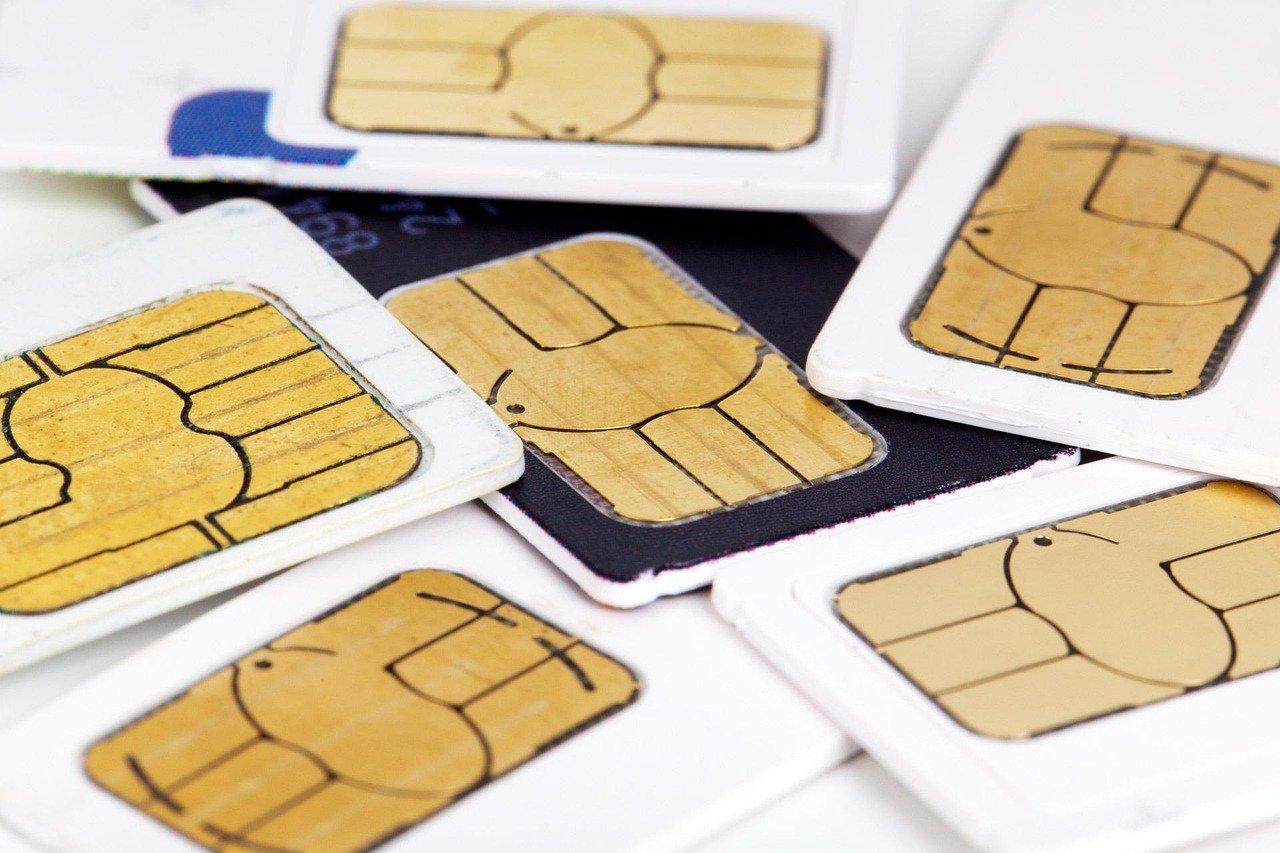
The most reliable way to avoid any gap in connectivity is to sort out data before you leave home, rather than counting on being able to do it after a long flight. Many phones now support eSIM technology, which allows you to add a Saudi or regional data plan digitally before you travel, without needing a physical SIM card at all. If your phone supports eSIM, this is worth investigating in the weeks before your trip, since it means you can, in many cases, activate a data plan the moment you land, without queuing at an airport kiosk while jet-lagged and managing luggage.
If your phone only takes a physical SIM, or you prefer not to use eSIM, a Saudi SIM card can typically be bought after arrival at the airport itself or from mobile network shops in the city. Exact operators, prices and package details change over time, so rather than relying on a specific figure that may be out of date, treat this as something to check close to your travel date rather than assume from an old blog post. What matters for your transport plan is less which specific option you choose, and more that you have decided in advance which route you are taking, so you are not figuring it out for the first time at two in the morning with a driver waiting.
A simple decision to make before you fly
Ask yourself one question well before departure: will I have working data the moment I land, or will there be a gap while I sort out a SIM or eSIM after arrival? If the honest answer is that there will be a gap, plan around it. That might mean asking your transport provider whether the driver will call your home number as a backup, or agreeing a very specific, unambiguous meeting point that does not rely on messaging at all, such as a named exit or a numbered pillar, so there is a fallback if you cannot immediately get online.

Airport wifi and kiosk information before you commit to anything
Both of the major airports pilgrims use publish their own facilities information directly, and it is worth checking this ahead of travel rather than relying on secondhand accounts. King Abdulaziz International Airport in Jeddah, the main arrival point for most Umrah pilgrims, publishes its own passenger information through kaia.sa, which is the airport’s own source for terminal facilities. Prince Mohammad Bin Abdulaziz International Airport in Madinah, used by pilgrims flying directly into Madinah, publishes equivalent information through tibahairports.com. Checking either site shortly before you travel is a sensible way to understand what connectivity options exist at the specific terminal you will be arriving into, rather than assuming facilities are identical across every airport.
Airport wifi networks can be a useful stopgap for the first few minutes after landing, enough to send a single message confirming you have arrived, even if you plan to rely on a SIM or eSIM for the rest of your stay. It is worth knowing this option exists before you land, rather than discovering the process for connecting to it while distracted and trying to locate your luggage at the same time.
Coordinating with your driver: what actually needs to happen
A pre-booked transport journey typically depends on a small number of specific messages rather than constant conversation. Understanding what those messages are helps you see exactly why connectivity matters at particular moments, rather than throughout the whole day.
Confirming your flight has landed
Many providers track flights and adjust the driver’s arrival time automatically, which reduces how much you personally need to communicate. Even so, a message confirming you have landed and are heading through immigration and customs gives both you and the driver a shared, current picture of timing, particularly useful if your flight is early, delayed, or if immigration queues are longer than expected.
Sharing your location or confirming the meeting point
Meeting points at busy arrivals halls are often described using a specific landmark, such as a named exit, a car park zone, or a company sign. Being able to receive that message, or send your live location if you are asked to, is one of the most direct practical uses of having data working as soon as you land. Without it, you are relying entirely on memorising instructions from before you flew, which is far more error prone after a long journey.
Confirming you have found the right vehicle
A brief message or call confirming the vehicle registration matches what you were told, or that you have located the right driver among a crowd of people holding signs, is a small but genuinely useful safety and logistics step. It closes the loop on the whole booking, and it is far easier to do with a quick text than by trying to shout across a busy arrivals hall.
A simple backup plan if connectivity fails
Even with good preparation, phones sometimes fail to connect straight away, whether because of a delayed eSIM activation, a SIM card that has not yet registered on the network, or simple bad luck. Before you fly, agree a backup plan with your transport provider that does not depend entirely on you having working data the instant you land. This could be a fixed, easily describable meeting point communicated clearly in your booking confirmation, a printed copy of your booking reference and the driver’s contact details kept somewhere accessible, or knowledge that the driver will wait a reasonable period and can be reached by a family member back home if you are struggling to get connected yourself.
Keeping a screenshot or printed copy of your booking confirmation, meeting point instructions, and driver contact details is worth doing regardless of how confident you are in your connectivity plan. It costs nothing, takes a minute before you fly, and removes any dependency on a working phone at the exact moment you might not have one.
Frequently asked questions
Do I need a Saudi SIM card specifically to meet my pre-booked driver?
Not strictly, since airport wifi can sometimes cover the first message or two, but having your own working data through a SIM or eSIM is far more reliable than depending on a public network the moment you land, particularly if you need to share your location or confirm details quickly.
Is it better to get an eSIM before I fly or a physical SIM after I land?
Both work, and the better choice depends on your phone and personal preference. An eSIM set up before departure can mean you have data the instant you land, while a physical SIM bought after arrival avoids needing eSIM compatible technology but involves a short gap while you sort it out.
Where can I check what connectivity facilities are available at Jeddah or Madinah airport?
Jeddah’s King Abdulaziz International Airport publishes its own passenger information at kaia.sa, and Madinah’s Prince Mohammad Bin Abdulaziz International Airport publishes its information at tibahairports.com. Checking either site before you travel gives you the most current picture for the terminal you are using.
What should I do if my phone has no signal when I land and my driver is waiting?
Fall back on the plan you should have agreed before you flew: a clearly described meeting point, a printed or screenshotted copy of your booking details, and knowledge of how long the driver will wait. A reputable provider builds this kind of fallback into their process rather than assuming every pilgrim will have instant connectivity.
Does connectivity matter as much for the Makkah to Madinah leg of my trip as it does for the airport transfer?
It matters less, since by that stage you will typically already have working data from your airport arrival, and intercity pickups are usually arranged from a known hotel location rather than a crowded, unfamiliar arrivals hall.
Checked sources
Official information for your planning
Transport, airport, visa and visitor arrangements can change. These official sources are provided so you can check the current position for your journey. Checked 2026-07-25.
Hajj & Umrah Taxi tracks your flight and sends clear pickup details by WhatsApp ahead of arrival, but we also build in a fallback meeting point and driver waiting time for exactly the moments when connectivity does not go to plan. Book your transfer in advance and you will always have a written record of where to go, even if your phone is still catching up.