

The Cave of Hira sits near the summit of Jabal al-Nour, the mountain that rises just outside central Makkah, and it is one of the most visited ziyarah sites for pilgrims who have time beyond their core rituals. What surprises a lot of first-time visitors is that reaching the cave has nothing to do with transport in the way most ziyarah stops do. There is no vehicle access to the cave itself, no cable car, and no shortcut. Getting there means climbing a genuinely steep mountain path on foot, and that single fact should shape whether you attempt it at all.
Reviewed planning guidance. Details can change; use the linked official sources and get a live quote for current pricing and availability.
What the climb actually involves
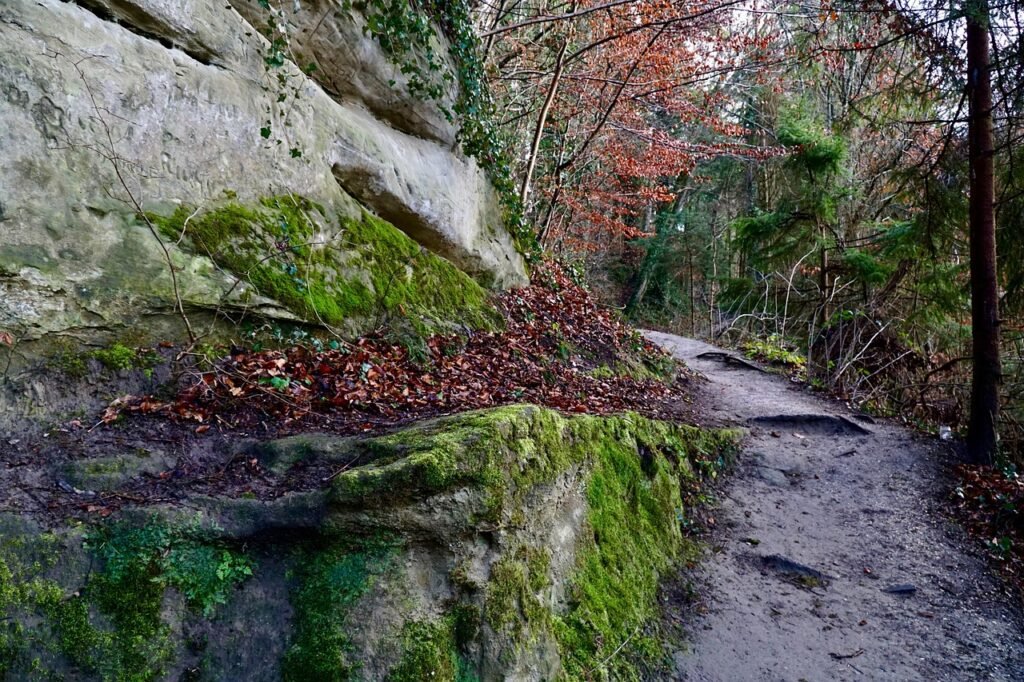
Jabal al-Nour rises a little over 300 metres above the surrounding plain, and the Cave of Hira sits close to the top. There is a single walking path to the summit, cut into rock in places and loose underfoot in others, with sections steep enough that many walkers use both hands as well as their feet on the way up. For a reasonably fit adult walking at a steady pace, the ascent typically takes somewhere in the region of one to two hours, and the descent, while shorter in terms of the effort involved, still takes a similar amount of care because loose stone and worn steps make a fast descent risky rather than efficient.
This is not a paved tourist walkway with handrails throughout. Parts of the route have had stone steps added over the years, and there are places to pause and rest, but it remains an outdoor mountain climb, exposed to full sun for most of the day, with no shade for long stretches and no facilities once you are on the path itself. Anyone picturing a short stroll up to a viewpoint should recalibrate that expectation before committing a driver, a group, or a schedule to the visit.
How transport works for a Cave of Hira visit
Because no vehicle can reach the cave, the role of transport in this ziyarah stop is limited to getting you to and from the base of the mountain, not the site itself. A private driver will bring you to the designated drop-off and parking area near the foot of Jabal al-Nour, where you disembark, and the walking begins from there. This is a meaningfully different arrangement to most other ziyarah stops around Makkah, where a vehicle can take you close to or directly to the site.
Where drivers wait, and for how long
Given the climb itself can reasonably take two to four hours round trip once you account for rest stops, time at the summit, and the descent, this is not a quick five-minute stop that a driver waits through with the engine running. If you are booking a private transfer that includes a Cave of Hira stop, it is worth agreeing the waiting arrangement clearly before you set off: whether the driver waits at the base for the full duration, whether there is a return pickup time agreed instead, and what happens if your group takes longer than expected, which is common given how physically demanding the path is for people who are not regular hikers. A driver who has done this route before will usually have a realistic sense of how long groups take and can advise accordingly.
Parking and drop-off areas near the base can also get busy, particularly outside the coolest parts of the day, so building some flexibility into your timing rather than treating it as a fixed slot in a packed itinerary tends to work better in practice.
Who should honestly not attempt the climb
This is the part of Cave of Hira planning that guides sometimes soften, and it should not be softened. The path is genuinely demanding, and it is worth being honest with yourself and your travel companions about fitness and health before setting out, rather than discovering the difficulty a third of the way up with no easy way back down except the same steep path.
People who should think carefully before attempting the climb, or consider not attempting it at all, include those with heart conditions, significant joint or mobility limitations, breathing conditions that are affected by exertion or heat, and anyone who struggles with stairs or uneven ground on level ground at home. Elderly pilgrims can and do complete the climb, but it should be a considered decision based on actual fitness rather than optimism, and going with a companion who can support you and turn back with you if needed matters more here than on almost any other ziyarah stop. Young children are generally not well suited to the climb either, given the exposure, the loose footing in places, and the total time involved.
There is no religious obligation to visit the Cave of Hira as part of Umrah or Hajj. It is a historically significant site, not a required ritual stop, and treating the decision to climb as optional, based honestly on your own physical condition, is the right way to approach it rather than feeling pressure to complete it because it is on an itinerary.
Heat, hydration and timing
Saudi Arabia’s climate makes heat exposure the single biggest practical risk on this climb, more so than the terrain itself for most visitors. The path offers little shade, and temperatures on an exposed rock face in direct sun climb quickly, particularly from mid-morning through mid-afternoon. Carrying more water than you think you will need, wearing a hat and sun protection, and starting early in the morning or later in the afternoon when temperatures are lower are all sensible adjustments. If you are visiting during warmer months, seriously reconsider a midday attempt regardless of your fitness level. The UK Foreign, Commonwealth and Development Office’s travel advice for Saudi Arabia covers general health and safety guidance for visitors, including the kind of heat-related risk that applies directly to an exposed climb like this one.

Practical tips if you do decide to climb
Wear proper closed footwear with grip, not sandals or smooth-soled shoes, since the rock is worn smooth in places from decades of foot traffic. Carry water rather than assuming you will be able to buy it along the way, since options thin out the higher you go. Pace yourself and take rests on the way up rather than pushing for speed, since a slow steady ascent is safer and often no less enjoyable than rushing. If you are visiting as a family or group, agree a plan for what happens if one member wants to turn back partway, since splitting a group safely on a mountain path needs a clear decision made in advance rather than worked out under pressure halfway up.
Going in daylight hours is also worth stating plainly. The path is not lit, and descending in fading light adds a real risk to already uneven, worn footing.
If you decide not to climb
Plenty of pilgrims choose to view Jabal al-Nour from the base rather than climb it, and that is a completely reasonable choice. The mountain itself is visible and photographable from the drop-off area, and for pilgrims who are older, travelling with young children, or simply prioritising energy for their core rituals at the Haram, admiring the site from ground level rather than attempting the ascent is not a lesser way to experience it. There is no requirement to summit for the visit to have been worthwhile.
Combining Cave of Hira with wider ziyarah planning
Cave of Hira is usually one stop within a broader ziyarah trip that might also cover Jabal Thawr and other historically significant sites around Makkah. Because it is by far the most physically demanding stop on most ziyarah routes, it makes sense to plan your day around it rather than treating it as an equal-length stop alongside sites that only need a short walk from the vehicle. Our guide to planning ziyarah transport to the mountain sites covers how Cave of Hira and Jabal Thawr fit together in a single trip, including realistic timing for both stops in one outing.
Frequently asked questions
Can a vehicle take me to the Cave of Hira itself?
No. There is no road or vehicle access to the cave. A driver can take you to the base of Jabal al-Nour, and the rest of the journey is on foot up a mountain path.
How long does the climb to the Cave of Hira take?
Most reasonably fit adults take roughly one to two hours to reach the top, with a similar amount of care needed on the way down. Building in rest stops and time at the summit, a round trip of two to four hours is realistic for most visitors.
Is the Cave of Hira climb suitable for elderly pilgrims or young children?
It can be attempted by fit elderly pilgrims who make a considered decision about their own health, but it is not well suited to anyone with significant mobility, heart or breathing limitations, and it is generally not recommended for young children given the exposure and terrain.
Is visiting the Cave of Hira a required part of Umrah or Hajj?
No. It is a historically significant site with no religious obligation attached to visiting it. Choosing not to climb, or viewing the mountain from the base instead, does not affect the completion of your rituals.
What should I bring for the climb?
Proper closed footwear with grip, more water than you expect to need, sun protection, and a realistic plan for pacing and rest stops. Avoid attempting the climb at midday during hot months.
Checked sources
Official information for your planning
Transport, airport, visa and visitor arrangements can change. These official sources are provided so you can check the current position for your journey. Checked 2026-07-25.
Hajj & Umrah Taxi can build a Cave of Hira stop into your wider ziyarah transport, with a driver who understands realistic waiting times for the climb and can plan the rest of your day around it. Book your ziyarah transport with a fixed price agreed in advance, so the only thing you need to think about on the day is the mountain in front of you.