

Most private transfers between Makkah and Madinah run along the direct highway route, but some pilgrims choose to add a stop at Badr along the way. It adds time and cost to the journey, so it is worth understanding what is actually at Badr, why pilgrims choose to stop there, and whether the detour is the right trade-off for your own trip before you book it.
Reviewed planning guidance. Route timing and site access can vary. Confirm current access arrangements and journey time additions with your transport provider when booking a Badr stop.
What is at Badr
Badr is a town that sits off the direct Makkah to Madinah highway and holds deep significance in Islamic history as the site of the first major battle fought by the early Muslim community, in the second year after the Hijrah. For many pilgrims, particularly those who have read about the events of Badr and its place in early Islamic history, visiting the site in person adds a layer of meaning to their journey between the two holy cities that the direct highway route does not offer.
What pilgrims typically visit
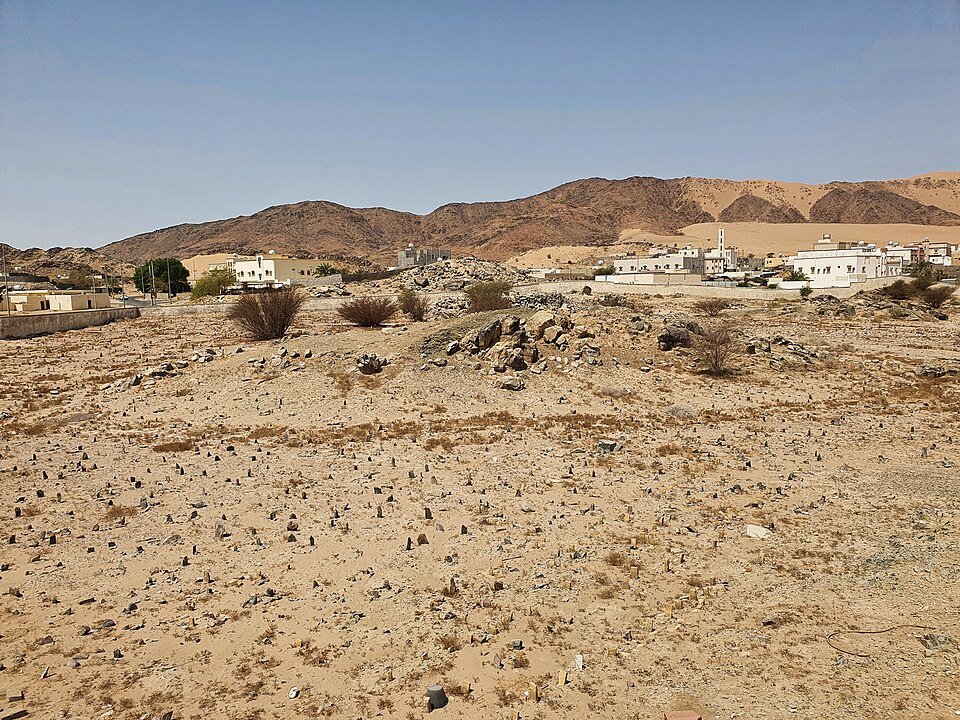
Pilgrims who stop at Badr generally visit the area associated with the battlefield and the nearby burial ground linked to those who fell there, along with the local mosque. This is a ziyarah stop in the same spirit as other historical sites pilgrims visit around Makkah and Madinah, rather than a tourist attraction, and most pilgrims treat it accordingly, with a quiet, reflective visit rather than an extended stay.
Why some pilgrims choose to add this stop
The direct route between Makkah and Madinah is the fastest way to travel, and most pilgrims take it without a second thought. Pilgrims who choose the Badr detour tend to have a specific reason for it: an interest in the history connected to the early Muslim community, a wish to visit a site with genuine religious significance while they are already making the same journey, or simply making the most of already being on the road between the two cities rather than planning a separate trip to the area later.
It suits a first Hajj or Umrah differently to a repeat visit
Pilgrims on their first trip often want to keep their itinerary focused on the essentials, given how much is already happening in a first visit. The Badr stop tends to appeal more to pilgrims who have already completed Umrah or Hajj before, have more familiarity with the core rituals, and want to use a later trip to explore additional sites connected to Islamic history along the way.
The practical time and cost trade-off
Adding Badr to a Makkah to Madinah transfer is not a small diversion, and it is worth being realistic about what it costs you in time and money before booking it.
Extra journey time
Because Badr sits off the direct highway, routing through it adds meaningful time to what would otherwise be a more direct transfer, on top of whatever time you spend actually visiting the site itself. This makes the stop a poor fit for anyone on a tight schedule, for example travellers who need to connect with a fixed onward flight or a booked hotel check-in window later the same day.

Extra cost
A multi-stop private transfer routed through Badr typically costs more than the direct journey, reflecting both the extra distance and the extra time the driver spends on the trip. Confirm this cost as part of your booking rather than assuming it is included in a standard Makkah to Madinah fare, since the detour is a genuinely different journey from the direct route.
Weighing it against your itinerary
The stop is easiest to justify when your schedule already has flexibility built in, when you are travelling as a smaller group who can agree on the extra stop together, and when the history of Badr specifically matters to you or your travelling companions. It is harder to justify on a day where you are also managing young children, a tight connection, or a full luggage load, since all of these make an already longer journey more tiring.

Booking a Badr stop as part of your transfer
Discuss it at the time of booking, not on the day
Because the detour changes both the route and the time required, it needs to be arranged as part of your booking rather than requested as a last-minute change once you are already in the vehicle. This lets your provider quote accurately and plan the journey properly.
Ask what the stop actually includes
Confirm with your provider exactly how long you will have at Badr and whether the driver waits on site or the stop is timed as part of a fixed schedule. This avoids a rushed or, conversely, an unexpectedly long stop that throws off the rest of your day.
Consider timing around prayer and rest
Since the detour adds real time to an already long intercity journey, think about how it interacts with prayer times and any rest stops you would normally take on the direct route, so the added stop fits naturally into your day rather than competing with it.
Is the Badr route right for your journey
If the history of Badr genuinely matters to you, your schedule has room for the extra time, and the added cost is acceptable, the detour can turn a routine intercity transfer into something more meaningful. If you are working to a tight connection, travelling with young children, or simply want the fastest route between the two cities, the direct highway transfer remains the more practical choice, and a Badr visit is something you can plan separately on a future trip instead.
What makes Badr different from other ziyarah stops
Most of the ziyarah sites pilgrims visit around Makkah and Madinah, such as Jabal al-Nour, Jabal Thawr, or the sites around Uhud, sit close to the city itself and can be added to a trip without significantly changing your intercity travel plans. Badr is different because it sits between the two cities rather than near either one, so visiting it is inherently tied to how you travel the Makkah to Madinah leg specifically, rather than being a separate short excursion you can slot in on a quiet afternoon.
Who tends to skip this stop
Most pilgrims, on any given trip, still take the direct route between Makkah and Madinah, and there is nothing lacking in that choice. Tight itineraries, package tour schedules set by a group organiser, and journeys already extended by other stops such as an overnight break are all good reasons to skip Badr on a particular trip and focus on the direct transfer instead. The detour is genuinely optional, and providers offering the direct route are not offering a lesser service, simply a different one suited to a different kind of trip.
Combining Badr with an overnight stop
Some pilgrims who want to add a Badr stop combine it with an overnight break in the intercity journey rather than trying to fit everything into a single long day. Splitting the Makkah to Madinah leg across two days, with the Badr visit built into that plan, spreads out the extra time the detour adds and can make for a less tiring overall journey than adding the stop to an otherwise single, long day of travel. This is worth discussing with your transport provider if the historical stop matters enough to you to justify restructuring the journey around it.
A brief note on the history
The battle fought at Badr in the second year after the Hijrah is widely regarded as a turning point in early Islamic history, and it is referenced directly in the Quran. For many pilgrims, this background is exactly why a quiet visit to the site feels worthwhile, adding historical and spiritual context to a journey that, on the direct route, would otherwise be purely functional.
Related guides
- Makkah to Madinah Taxi Guide: Distance, Timing and Rest Planning
- Overnight Intercity Travel Between Makkah and Madinah: Is It Worth It?
- Madinah Ziyarah Transport: Stops, Timing and Group Needs