

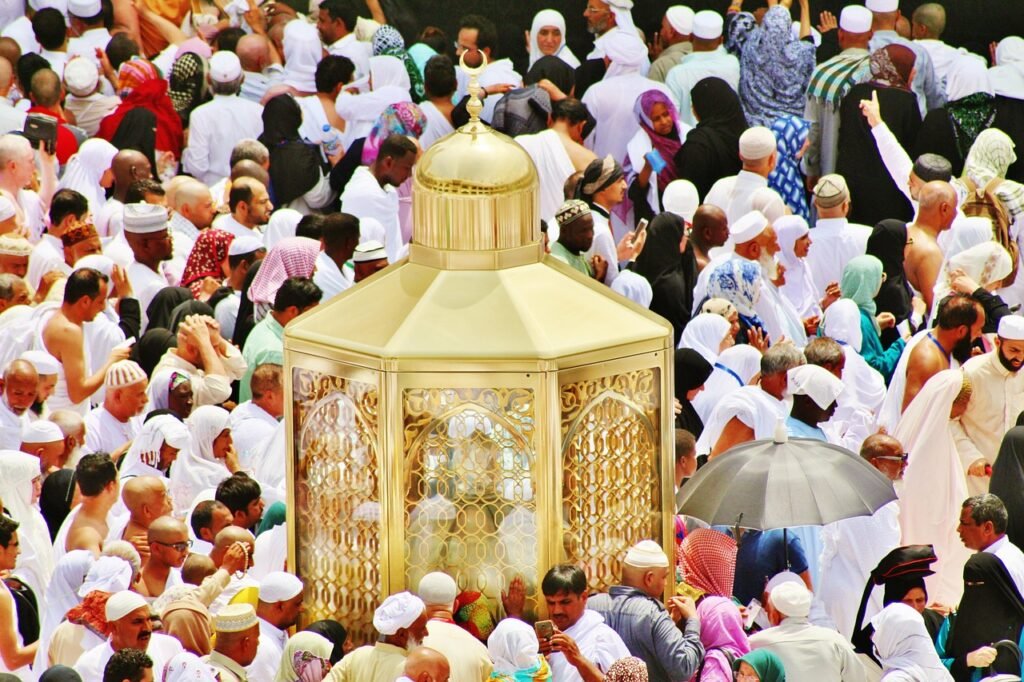
Hajj is a different undertaking to Umrah, in scale, in structure, and in what it asks of you as a first-time pilgrim. Where an Umrah trip is relatively flexible in timing and pace, Hajj happens within a fixed, compressed window each year, involves far larger crowds, and follows a set sequence of days and locations that leaves little room for improvisation once you are there. If this is your first Hajj, a broad readiness checklist covering documentation, health, packing, transport and accommodation, rather than a narrow focus on any single piece, is the most useful place to start.
Reviewed planning guidance. Details can change; use the linked official sources and get a live quote for current pricing and availability.
Documentation and permits
Your Hajj visa and Nusuk permit are the foundation everything else sits on top of. Set up your account on hajj.nusuk.sa, the official platform for organising Hajj, well ahead of your travel dates, and make sure your personal details match your passport exactly. For UK-based first-time pilgrims, the process typically runs through an accredited Hajj group operator or a package that handles the visa application on your behalf, so understanding which route applies to you early on saves a lot of confusion later. The Saudi Ministry of Hajj and Umrah’s official portal, haj.gov.sa, is worth bookmarking as a general reference point for Hajj-specific requirements and updates as your travel dates approach.
Beyond the Hajj-specific paperwork, check your passport has enough validity remaining for your trip, take physical and digital copies of your passport, visa and any confirmation documents, and keep a copy with a friend or family member back home as a backup in case anything is lost or misplaced while you are away.
Health and vaccination requirements
Health requirements for Hajj are taken seriously given the scale of the gathering, and vaccination requirements can be updated from year to year, so this is not something to leave until the last minute. Meningococcal meningitis vaccination is generally required for Hajj pilgrims, and depending on your country of origin and current public health guidance, additional vaccinations may apply as well. Check the current requirements well in advance of your trip through official guidance, since vaccination certificates sometimes need to be obtained a set number of days before travel to be valid, and leaving this until the final weeks risks running out of time. If you are a UK national, the UK Government’s travel advice for Saudi Arabia includes health guidance relevant to Hajj travel, and it is worth reading alongside advice from your GP or a travel health clinic given the specific physical demands of the pilgrimage.
Given the heat, the crowds, and the sheer amount of walking involved across the Hajj days, it is also worth having an honest conversation with your doctor about any existing health conditions before you travel, particularly if you are older or manage a condition that could be affected by extended heat exposure or physical exertion.
Packing for the physical reality of Hajj
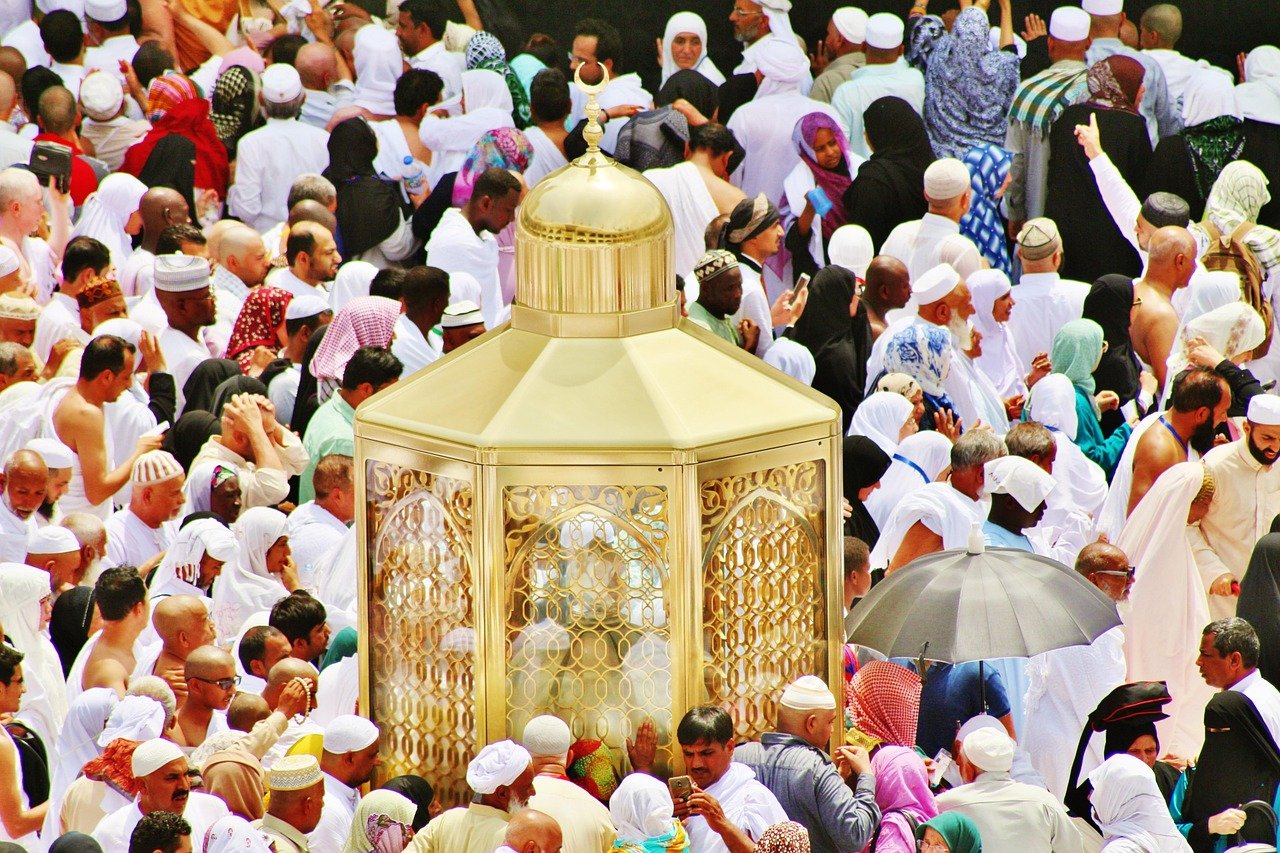
Hajj involves significant amounts of walking, standing and time outdoors, often in extreme heat, so practical packing matters more here than for most other trips. Comfortable, well worn-in footwear suited to walking long distances is essential, along with lightweight, breathable clothing appropriate for the climate and for Ihram where required. Sun protection, including a hat or umbrella for shade where practical, and a refillable water bottle are worth prioritising given how much time is spent outdoors during the Hajj days themselves.
A small, comfortable bag you can carry easily during the days at Mina, Arafat and Muzdalifah is more useful than a large suitcase you will not want to move around, and it is worth packing basic first aid items, any personal medication clearly labelled, and a portable phone charger, since staying in contact with your group matters more during Hajj than during a quieter Umrah trip.
Transport, in outline
Transport for Hajj covers several distinct legs: your international flight, your airport transfer on arrival, movement between Makkah and Madinah if your itinerary includes both cities, and the specific transport arrangements for the Hajj days themselves at Mina, Arafat and Muzdalifah, which typically run through officially organised and licensed transport systems rather than a standard private taxi. Booking your airport transfer and any Makkah-Madinah transport well in advance, particularly given how much demand for transport increases in the weeks around Hajj, is one of the more straightforward parts of your checklist to sort early and then stop worrying about.
For the Hajj days themselves, transport at Mina, Arafat and Muzdalifah works differently to everyday city transport, and it is worth understanding that structure specifically rather than assuming it operates like the rest of your trip. Our guide on Mina, Arafat and Muzdalifah transport logistics during Hajj days covers this in detail, and our broader Hajj 2027 transport checklist sets out what to book and when across your full trip. If you are booking transport from the UK specifically, our guide on how to book Hajj transport from the UK before you fly covers that process step by step.
Accommodation across the different phases of your trip
Most first-time Hajj pilgrims stay in hotel accommodation in Makkah, and sometimes Madinah, for the parts of the trip outside the Hajj days themselves, with separate, often tent-based accommodation arranged for Mina during the Hajj period. If you are travelling with an accredited Hajj group operator, this is usually handled as part of your package, but it is worth confirming exactly what is included and what you may need to arrange separately, particularly around the transition points between city accommodation and the Hajj-day arrangements at Mina, Arafat and Muzdalifah.
Group travel versus travelling solo
For a first Hajj specifically, travelling with an accredited group is the more common route, and it comes with real practical advantages: a structured itinerary, guidance through the specific rituals and sequence of the Hajj days, and support if something goes wrong. Solo or independently arranged Hajj travel is possible but demands considerably more of you in terms of understanding the requirements, the sequence of rituals, and the logistics of each phase, and it is generally not the easiest starting point for someone doing this for the first time. Whichever route you choose, understanding roughly what each day of Hajj involves before you travel, rather than learning it entirely on the ground, makes the experience considerably less overwhelming.
Money and staying connected
Card payments are widely accepted in Saudi Arabia’s major cities, but it is still worth carrying a modest amount of local currency for the Hajj days themselves, when you may be away from hotels and shops for extended periods at Mina, Arafat and Muzdalifah. Tell your bank you are travelling before you go, and check what foreign transaction fees apply to your card so there are no surprises once you are there.
A working phone with a local SIM or a roaming plan that actually functions in Saudi Arabia is worth sorting before you fly rather than on arrival, since staying in contact with your group matters considerably more during the Hajj days than during a typical Umrah trip, when crowds are dense and it is genuinely easy to become separated. Agreeing a simple plan with your group in advance for what happens if someone gets separated, including a meeting point and how you will contact each other, is a small piece of preparation that is far more useful in the moment than trying to work it out on the day.
A rough order for sorting all of this
Start with your Hajj visa and Nusuk permit, since everything else depends on having confirmed dates. Move on to vaccinations and health preparation early enough that certificates and any required waiting periods do not become a last minute scramble. Book your flights once your dates are firm, then your accommodation and core transport, leaving enough lead time that availability is not a problem given how much demand increases as the Hajj season approaches. Pack in the final weeks, once you have a clear sense of your itinerary and the physical demands ahead of you, rather than guessing early and adjusting later.
Frequently asked questions
What is the first thing I should sort out for my first Hajj?
Your Hajj visa and Nusuk permit, since your travel dates and the rest of your planning, including flights, accommodation and transport, all depend on having these confirmed.
Are vaccinations required for Hajj?
Meningococcal meningitis vaccination is generally required, and additional requirements can apply depending on your country of origin and current guidance, so check well in advance since certificates sometimes need a set number of days to become valid.
Should a first-time Hajj pilgrim travel with a group or independently?
Travelling with an accredited group is the more common and generally easier route for a first Hajj, given the structured itinerary and support through the specific sequence of rituals and days involved.
How is Hajj transport different from a typical Umrah trip?
Beyond airport transfers and city transport, the Hajj days themselves at Mina, Arafat and Muzdalifah use a specific, officially organised transport structure that is different from everyday private transport, and it is worth understanding this in advance.
What should I pack specifically for the physical demands of Hajj?
Well worn-in comfortable footwear, lightweight breathable clothing, sun protection, a refillable water bottle, and a small manageable bag for the Hajj days, alongside any personal medication clearly labelled.
Checked sources
Official information for your planning
Transport, airport, visa and visitor arrangements can change. These official sources are provided so you can check the current position for your journey. Checked 2026-07-25.
Hajj & Umrah Taxi can handle the transport side of your first Hajj checklist, from your airport transfer through to Makkah-Madinah travel, booked with a fixed price agreed well before your busiest season begins. Get a live quote early, so transport is one part of your checklist you can tick off with confidence.