Pilgrimage transport in partnership with Saudi Cab Co
support@hajjumrahtaxi.co.ukPilgrim journey support

What to Do If You Can’t Find Your Driver at Jeddah Airport Arrivals

Reviewed planning guidance. This article is general planning guidance for pilgrims arranging ground transport for Umrah or Hajj. Always check your airline’s current baggage rules and the latest Nusuk guidance before you travel.

You have just landed at Jeddah after a long flight, cleared immigration and collected your bags, and now you are standing in the arrivals hall scanning a wall of names on cards, none of which appear to be yours. It is a stressful moment, made worse by jet lag, heat, and the crowds that build up around every Umrah and Hajj arrival wave, particularly during the peak weeks when several wide-body flights land within the same hour. Most of the time this situation has a simple explanation and an easy fix, and it rarely means your booking has genuinely gone wrong. This guide walks through what to check first, who to contact, and how to keep things calm while you sort it out, so the first few minutes on Saudi soil do not overshadow the start of your journey.

First, work out what has actually happened

Before assuming the worst, it helps to separate a genuine no-show from a driver who is simply waiting somewhere you have not looked yet. Jeddah’s King Abdulaziz International Airport is large, and pilgrim traffic through the Hajj Terminal and the main terminal can be heavy, especially during peak Umrah and Hajj periods when arrivals from dozens of countries overlap. A driver who is exactly where they said they would be can still be missed if you leave through a different exit, get delayed at immigration, or take longer than expected collecting luggage, particularly if you are travelling with the extra bags many pilgrims bring for Zamzam water or Ihram items.

  • Check whether you actually exited through the arrivals door your provider expects. Some terminals have more than one exit point from the baggage hall, and pilgrim flights are not always routed through the same one each time.
  • Look for a name board, not just a face you recognise. Drivers meeting pilgrims usually hold a printed or handwritten sign with your name or booking reference, and it is easy to walk past one in a crowd without reading every board carefully.
  • Give it a genuine ten to fifteen minutes past your expected pickup time before treating it as a problem. Immigration queues and baggage delays are common and most providers build this into their planning, so a driver arriving to an empty spot will usually wait rather than leave.

If you booked through a reputable provider, your booking confirmation should include a named contact number, the agreed meeting point, and often the vehicle description. Have this information ready on your phone or printed out, because you will need it for every step that follows, and a printed copy is worth keeping in case your phone battery runs low after a long flight.

Where the correct meeting point usually is

Most pre-booked transport for pilgrims meets arriving passengers just outside the arrivals hall, past the final exit doors where taxi ranks and waiting drivers typically gather. It is rarely inside the baggage claim area itself, since drivers are not usually permitted airside. If your confirmation names a specific meeting point, such as a numbered pillar, a particular exit gate, or a car park zone, walk the full length of that area slowly rather than standing still, since the crowd of drivers holding signs can be dense and easy to miss someone in. During Hajj season specifically, pilgrims arriving through the dedicated Hajj Terminal should expect a different layout again, with holding areas and shuttle points that can add extra walking distance before you reach a standard arrivals exit.

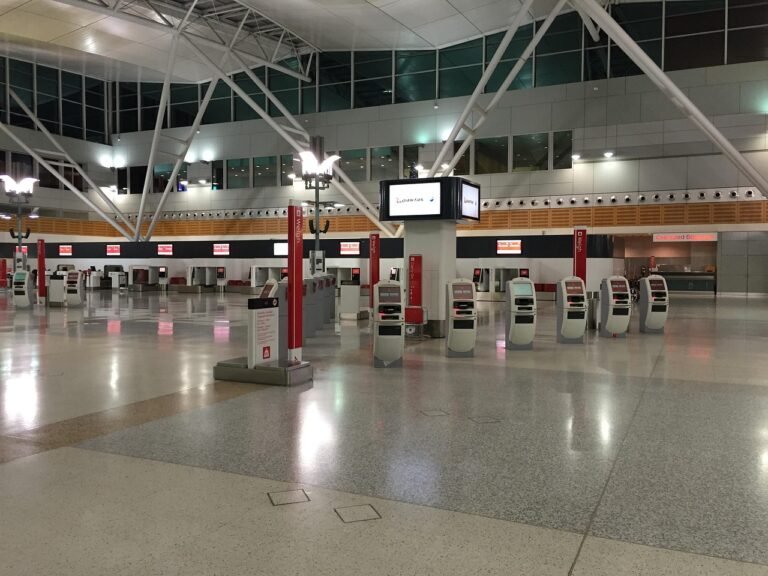
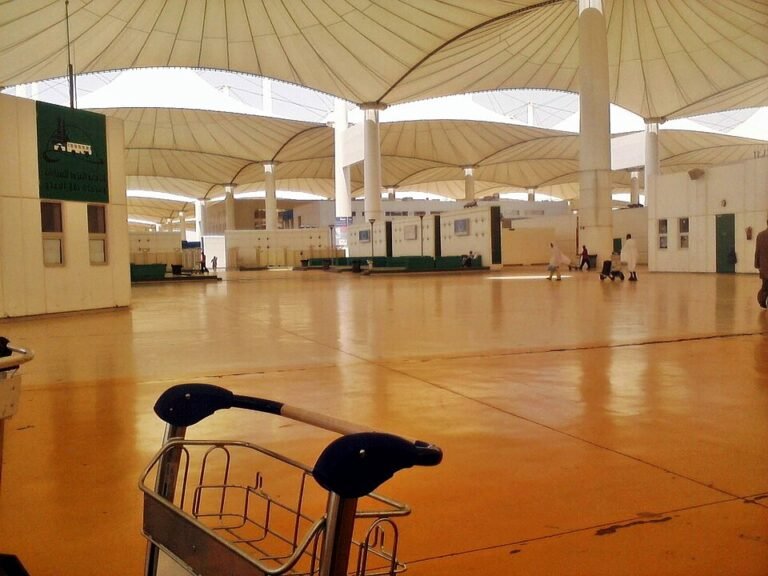
Pilgrims with luggage trolleys scanning the arrivals hall for their driver at Jeddah airport

If you are travelling as part of a group, it is worth having one person stay put with the visible luggage while another walks the arrivals area, so you do not end up separated from each other on top of being separated from your driver. Keep an eye on any information desks or airport staff nearby too, since some are used to directing arriving pilgrims and may have seen a driver looking for you. If your group includes elderly members, it is often easiest for them to sit with the luggage in a shaded spot while younger or more mobile members do the walking search.

Contacting your transport provider directly

This is the step that resolves the situation in the vast majority of cases. Call the number given in your booking confirmation rather than a general enquiries line if you have one, since it is more likely to reach someone who knows your specific pickup. A reliable provider should be able to tell you where the driver currently is, confirm the vehicle registration or description, and give you a realistic time to reconnect. Have your booking reference and flight number ready before you dial, since giving these straight away lets a dispatcher locate your details without a long back and forth.

If your call does not connect straight away, try again after a short pause rather than assuming the number is wrong. International roaming can sometimes delay connection on first attempts. Keep your phone charged and accessible from the moment you land, since a dead battery at exactly this point makes an already stressful situation much harder to manage.

Staying reachable: phone signal and connectivity

A large share of “missing driver” situations are really connectivity problems on one side or the other. If your phone has not registered on a Saudi network, or if you are relying on airport WiFi that has not connected yet, calls and messages from your driver may not be reaching you at all.

  • Confirm your phone shows a local signal, not just “no service” or a stuck roaming indicator, before assuming your driver has not tried to reach you.
  • If you have a local SIM or eSIM ready to activate, doing so as soon as you land, even before leaving the baggage hall, removes a lot of this uncertainty and gives you a working Saudi number your driver can call back.
  • Save your provider’s contact number as a plain text note as well as a contact, in case WhatsApp or another messaging app is slow to load on unfamiliar networks.

It is also worth checking your booking confirmation email for any alternative contact method, such as a second phone number or a messaging app your provider prefers to use for arrivals. Some providers also send a message shortly before landing time with the driver’s details, so it is worth checking your inbox and spam folder once your phone reconnects.

A pilgrim checking their phone for signal and messages outside Jeddah airport arrivals

If you genuinely cannot make contact

Occasionally a call will not go through, a number is temporarily unreachable, or a driver has been delayed by traffic without being able to tell you. If a reasonable amount of time has passed with no contact and no sign of your driver, it is sensible to have a fallback plan rather than waiting indefinitely in the heat with your luggage.

  • Move to a shaded, visible waiting area near the main arrivals exit where a delayed driver is most likely to look for you.
  • If you booked as part of a wider itinerary or through a group leader, let them know what is happening, since they may have a direct line to the provider that gets a faster response.
  • Keep any booking reference numbers to hand, since providers can usually locate a booking and dispatch details much faster with a reference than with a name alone.

It is worth checking your Nusuk booking or itinerary details as well, since transport arrangements tied to your Umrah or Hajj plans are sometimes confirmed or referenced there. You can review the latest guidance on umrah.nusuk.sa if any part of your arrival plan was booked or confirmed through the platform. For general safety and contact information while travelling, gov.uk’s foreign travel advice for Saudi Arabia is a useful reference to have saved before you fly, and pilgrims travelling from the United States can also refer to sa.usembassy.gov for equivalent guidance.

Preventing the problem before you fly

Most of these situations are avoidable with a small amount of preparation before departure. Save your driver contact details, meeting point instructions, and booking reference somewhere you can access offline, such as a screenshot rather than only an email that needs data to load. Share your flight number with your transport provider in advance, and let them know if your flight is delayed, so tracking and meeting point timing stay accurate on their side too.

If you are travelling with elderly relatives, young children, or as part of a larger group, agree in advance on a single point of contact for transport queries, so instructions are not being relayed second hand in a crowded arrivals hall. It also helps to agree a simple backup plan before you fly, such as a fixed meeting spot and a maximum waiting time, so nobody is guessing what to do if the first attempt at contact does not work. A little bit of this groundwork before you leave home turns a potentially stressful ten minutes into a minor delay.

Frequently asked questions

Q: How long should I wait before contacting my provider? A: Give it ten to fifteen minutes past your expected pickup time to allow for immigration queues and baggage delays, then call the number on your booking confirmation directly.

Q: What if my phone has no signal when I land? A: Activate a local SIM or eSIM as soon as possible, or use airport WiFi where available, since many “missing driver” situations are really connectivity problems on one or both sides.

Q: Where exactly should I look for my driver? A: Walk the full length of the meeting point named in your booking confirmation, usually just outside the arrivals exit doors, rather than standing in one spot, since the crowd of waiting drivers can be dense, especially during busy Umrah and Hajj arrival windows.

Q: Is this the same as a driver not showing up at all? A: Not usually. Most cases are a driver waiting at a slightly different point or a delayed connection, and are resolved with a phone call, rather than a genuine no-show.

Q: Should I just take another taxi if I cannot reach my driver? A: Try your provider’s contact number a few times first and allow a reasonable window for a delayed pickup, since a booked transfer is usually cheaper and more predictable than an unplanned alternative at the airport.

Q: What information should I have ready when I call? A: Your booking reference, flight number, and the meeting point named in your confirmation, since these let your provider locate your booking and dispatch details quickly.


If you would like help matching your plans to the right vehicle, Hajj & Umrah Taxi can put together a fixed-price quote based on your exact travel details. Get in touch before you fly and we will make sure your transport is arranged around how you are actually travelling, not the other way round.

Jeddah Airport Terminal Changes and What They Mean for Your Pickup Point

Reviewed planning guidance. This article is general planning guidance for pilgrims arranging ground transport for Umrah or Hajj. Always check your airline’s current baggage rules and the latest Nusuk guidance before you travel.

King Abdulaziz International Airport in Jeddah has been through significant redevelopment over the past decade, and terminal assignments for individual airlines can and do shift as the airport continues to refine its operations. For a pilgrim landing after a long flight, tired and carrying luggage, arriving at a different terminal building than expected can turn a simple pickup into a stressful search. This article explains why terminal assignments change, how to confirm which terminal your flight will use, and what that means for meeting your pre-booked driver without confusion.

Why terminal assignments are not fixed forever

Jeddah’s airport has undergone one of the largest airport modernisation projects in the region, consolidating operations that were once spread across older terminal buildings into the newer Terminal 1 complex. As this consolidation has progressed, airlines have moved between buildings, sometimes more than once, as new piers and gates opened in phases. What was true for a particular airline two or three years ago is not automatically true today.

This matters for two reasons. First, if you last travelled to Jeddah some years ago, your memory of where you landed may no longer match reality. Second, if you are booking transport based on general information found in older blog posts or forum threads, that information can be out of date the moment it was written, let alone by the time you fly. The only reliable way to know your terminal is to check your airline’s own confirmation and, where relevant, the guidance published by the Ministry of Hajj and Umrah or the Nusuk platform for pilgrim arrivals.

How terminal changes affect your pickup point

Ground transport providers, including ours, assign a pickup point based on the terminal your flight is due to land at. If your airline has moved to a different terminal since you last checked, or since you booked your transport, the arrivals hall your driver expects you to walk out of may not be the one you actually exit from. This is rarely a serious problem if it is caught in advance, but it can mean a longer wait, extra phone calls, or a walk between terminal buildings if it is only discovered on the day.

The practical fix is straightforward. When you book transport, tell your provider your exact flight number rather than just “Jeddah airport”, and confirm the terminal again close to your travel date rather than relying on what you were told weeks or months earlier. A driver working from a flight number can track your actual arrival and adjust to any last-minute terminal or gate change far more reliably than one working from a general description of where you think you will land.

  • Give your transport provider your flight number, not just your arrival date and airline name.
  • Reconfirm your terminal a few days before departure, not only at the time of booking.
  • Keep your phone charged and accessible at arrivals so your driver can reach you if the terminal has changed unexpectedly.
  • Save your driver’s contact details somewhere you can access without wifi, such as a screenshot or a written note.
Pilgrims with luggage trolleys walking through an airport arrivals hall

Confirming your terminal before you fly

There are a few reliable ways to confirm which terminal your flight will actually use.

  • Check your airline’s official booking confirmation or app, which should state the departure and arrival terminal for each leg.
  • Use your airline’s flight status tool close to your travel date, since some airlines update terminal information more accurately as the flight date approaches.
  • If you booked through a Hajj or Umrah travel agent, ask them to confirm the terminal directly with the airline rather than relying on a package itinerary that may have been generated some time ago.
  • Pass this confirmed information on to your ground transport provider so your pickup point is set correctly from the start.

If your itinerary genuinely does not state a terminal, it is worth asking your airline directly rather than guessing, particularly if you are travelling with elderly family members or young children who will find an unexpected walk between terminals difficult after a long flight, especially when they are also managing Ihram clothing, Zamzam water in hand luggage, or a group that has become separated during disembarkation.

Terminal and gate assignments can also vary seasonally, which adds another layer worth planning around. During the peak Hajj period, additional facilities and dedicated pilgrim processing areas are sometimes brought into use to handle the much higher volume of arrivals, and flight schedules from pilgrim-heavy routes may be grouped differently than they are for the rest of the year. If you are travelling for Hajj specifically, it is worth checking the guidance published on haj.gov.sa closer to your travel dates, since arrangements for the Hajj season are sometimes distinct from routine Umrah arrivals, and pilgrim flow through arrivals can be organised differently to manage the volume safely. Outside the Hajj period, terminal assignments tend to be more stable week to week, but they are still subject to change as the airport continues its phased development. A sensible habit is to treat your terminal as confirmed only once you have checked it within the final week before you fly, rather than assuming it will match an earlier booking confirmation or a previous trip, even one made only a season or two ago.

What to do if you land at an unexpected terminal

Even with careful planning, arrivals can occasionally shift at short notice due to operational reasons on the day. If you come through arrivals and cannot see your driver where you expected, the first step is to call the number your transport provider gave you rather than searching the hall on your own. A driver who is tracking your flight will usually already be aware of a terminal change and will be adjusting their position accordingly. This matters more for pilgrim arrivals than ordinary tourist transfers, since many passengers are travelling in Ihram, moving slowly after a long overnight flight, or waiting on relatives who need extra time through immigration, and a mismatched terminal can turn a short wait into a genuinely worrying one.

Keep your booking reference and driver contact details somewhere accessible, ideally written down or saved as a screenshot rather than only in an email that needs data to open. If your phone has no signal or you have not yet activated a local SIM, airport wifi is usually available in arrivals halls for a basic call or message. Staying near a clearly visible landmark inside the arrivals area, such as a specific exit door or information desk, also makes it easier for a driver to find you if you have had to move from the original meeting point. If you are travelling as part of a larger family or group performing Umrah together, agree in advance who will hold the driver’s number and who will call if the group becomes split between two exits, since this is one of the most common causes of a delayed pickup that has nothing to do with the terminal itself.

Driver holding a name sign waiting for pilgrims in an airport arrivals area

Building terminal flexibility into your booking

The most reliable way to avoid disruption from a terminal change is to book transport with a provider that plans around your flight number rather than a fixed pickup location. This means the responsibility for tracking any last-minute changes sits with the transport provider, not with you as a tired traveller trying to work it out after a long journey, and it means your onward drive to Makkah for Umrah can start with one less thing to worry about. It also means that if your airline is moved to a different pier or building between the time you book and the time you fly, your driver is working from live flight data rather than an outdated assumption, and can reposition to the correct arrivals hall before you have even collected your luggage.

Before you travel, it is also worth reviewing the current official guidance on pilgrim arrivals through the Nusuk platform, since this is updated as procedures at Jeddah’s airport evolve, and checking the latest UK foreign travel advice for Saudi Arabia for any practical updates relevant to your journey. Neither of these replaces confirming your terminal with your airline directly, but together they give a fuller picture of what to expect from the moment you land through to the road to Makkah, so that the only thing left to focus on once you clear arrivals is beginning your Umrah in good order.

Frequently asked questions

Q: How do I find out which terminal my flight uses at Jeddah airport? A: Check your airline’s official booking confirmation or flight status tool close to your travel date, since terminal assignments can change and older information may be out of date.

Q: Does my pickup point change if my airline moves to a different terminal? A: Yes. Your transport provider should assign your pickup point based on your actual arrival terminal, which is why giving them your flight number rather than just an airline name is important.

Q: What should I do if I cannot find my driver at arrivals? A: Call the contact number given at booking rather than searching on your own. A driver tracking your flight will often already know about a terminal change and will be adjusting their position.

Q: Are terminal arrangements different during Hajj season? A: Additional facilities and processing areas can be used during the peak Hajj period, so it is worth checking guidance on haj.gov.sa closer to your travel dates if you are travelling specifically for Hajj.

Q: Should I trust an old blog post or forum thread about which terminal my airline uses? A: Treat that kind of information as a starting point only. Confirm directly with your airline or travel agent close to your departure date, since terminal assignments have changed more than once in recent years.

Q: Does it cost more to have my transport provider track my flight for terminal changes? A: With Hajj & Umrah Taxi this is simply part of how a booking is arranged. Fixed-price quotes for Jeddah airport to Makkah start from 220 SAR, and flight tracking to confirm your pickup point is built into that arrangement rather than charged separately.


If you would like help matching your plans to the right vehicle, Hajj & Umrah Taxi can put together a fixed-price quote based on your exact travel details. Get in touch before you fly and we will make sure your transport is arranged around how you are actually travelling, not the other way round.

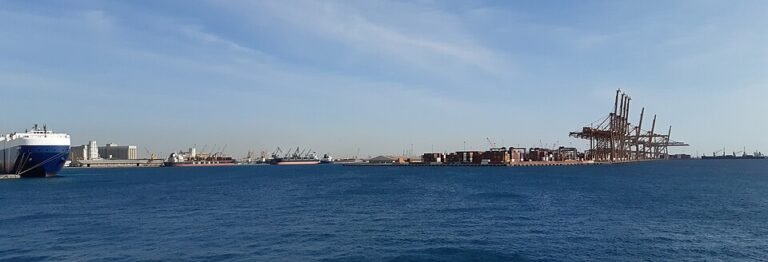
Jeddah Islamic Seaport to Makkah transport for pilgrims arriving by sea

While the overwhelming majority of pilgrims fly into Jeddah, a smaller number arrive by sea through Jeddah Islamic Port, particularly pilgrims travelling from countries with established maritime links to Saudi Arabia. If this applies to you, your transport planning to Makkah looks a little different from the standard airport route, and it is worth understanding how before you travel.

Jeddah Islamic Port and its role in pilgrim arrivals

Jeddah Islamic Port is one of the largest ports in the Red Sea and has a long historical role as a gateway to Makkah, given Jeddah’s position as the nearest major coastal city to the holy sites. Alongside its significant commercial cargo operations, the port continues to receive pilgrims arriving by sea, particularly from neighbouring regions where maritime routes remain a practical and established option. Saudi authorities coordinate reception procedures for pilgrims arriving this way, covering everything from arrival processing to baggage handling and onward transport toward Makkah, reflecting the same seasonal, coordinated approach used across Hajj and Umrah logistics more broadly.

How arrival by sea differs from arrival by air

If you are arriving by sea, a few practical differences are worth planning around:

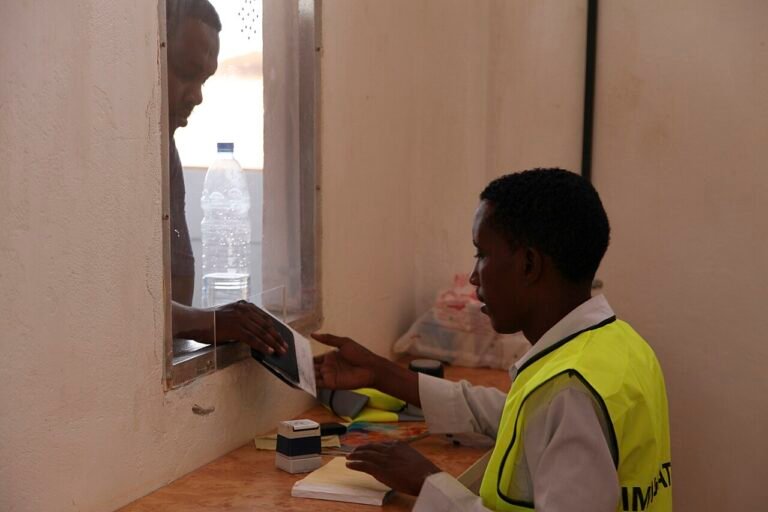
  • Your arrival processing, including immigration and any Hajj or Umrah documentation checks, takes place at the port facility rather than an airport terminal, and the layout and flow will be unfamiliar if you have only experienced airport arrivals before.
  • Onward transport to Makkah needs to be arranged from the port rather than from King Abdulaziz International Airport, so any transport booking you make in advance needs to specify your correct pickup location clearly.
  • Sailing schedules can be less frequent and, depending on your route, less predictable than flight schedules, so building extra flexibility into your onward transport booking is sensible if your arrival time is not fixed with complete certainty.

Arranging transport from the port to Makkah

Because arrival by sea is less common than arrival by air, it is particularly important to confirm directly with your transport provider that they are familiar with pickups from Jeddah Islamic Port specifically, rather than assuming a provider experienced only with airport transfers will handle this route in exactly the same way. Ask specifically:

  • Whether they have handled port pickups before, and how they will identify you and your group at the port itself.
  • How they will track your arrival time if your sailing schedule shifts, rather than assuming a fixed pickup time in the way an airport transfer might.
  • What the estimated journey time to Makkah is from the port, and whether it differs meaningfully from the standard airport route given the port’s specific location within Jeddah.

Practical preparation for arriving by sea

Confirm your documentation requirements in advance

Whether arriving by air or sea, your Hajj or Umrah documentation, visa and any Nusuk registration requirements are the same. Confirm with your travel provider that arriving by sea does not change any documentation you need to carry, and bring physical copies of everything alongside any digital versions.

Plan for less predictable timing

If your journey involves a multi day sailing or a route with variable arrival times, build genuine flexibility into your onward transport booking rather than a fixed, tight timing, and keep your transport provider updated as your arrival time becomes clearer closer to the date.Jeddah Islamic Seaport to Makkah transport for pilgrims arriving by sea

Consider the practicalities of luggage at a port versus an airport

Port arrivals can involve different baggage handling processes to airports. Ask your travel provider what to expect, and factor this into how much time you allow between disembarking and meeting your onward transport.

A simple checklist for pilgrims arriving by sea

  1. Confirm your transport provider has direct experience with Jeddah Islamic Port pickups, not only airport transfers.
  2. Build flexibility into your booking to account for less predictable sailing schedules.
  3. Carry physical copies of all Hajj or Umrah documentation, exactly as you would for an air arrival.
  4. Confirm the estimated journey time from the port to your Makkah accommodation in advance, so you know what to expect.
  5. Keep your transport provider’s contact details easily accessible in case your arrival time shifts.

Arriving by sea is a less common but entirely valid way to reach Saudi Arabia for Hajj or Umrah. With a transport provider who understands the specifics of a port pickup, and a little extra flexibility built into your planning, your onward journey to Makkah can be just as smooth as the more familiar airport route.

Why understanding this route matters even for a small number of travellers

Because arrival by sea is far less common than by air, information about it is also less widely available, which can leave pilgrims taking this route feeling less prepared than those following the well documented airport path. If this applies to you or your group, taking a little extra time to research and confirm the specifics with your travel and transport providers is particularly worthwhile, precisely because there is less general information circulating to rely on informally. Do not assume that advice written for airport arrivals applies equally to a port arrival without checking.

Coordinating with your wider Hajj or Umrah documentation

Whether you arrive by air or sea, your Nusuk registration and any Hajj or Umrah documentation requirements remain the point of reference for Saudi authorities. Make sure whoever is arranging your travel understands and confirms clearly that your arrival method has been properly reflected in your documentation and travel plans, so there is no mismatch between how you are arriving and what your paperwork indicates.

If you are helping to organise travel for a wider family or community group where a sea arrival applies to some but not all members, make sure this distinction is clearly documented and communicated to your transport provider, so pickups for each group are planned correctly and nobody is left waiting at the wrong location. A short, clear briefing to everyone involved, covering exactly who is arriving how and where, prevents confusion on the day itself.Jeddah Islamic Seaport to Makkah transport for pilgrims arriving by sea

Frequently asked questions

Is arriving by sea a common route for UK pilgrims specifically?

It is far less common for UK pilgrims than arriving by air, but the principles here are useful for anyone whose specific travel arrangements, perhaps as part of a wider regional itinerary, involve a sea arrival at Jeddah Islamic Port.

Does arriving by sea affect my Nusuk registration requirements?

The underlying registration and documentation requirements remain the same regardless of arrival method. Confirm with your travel provider that your specific arrival details are accurately reflected wherever required.

How long does the journey from Jeddah Islamic Port to Makkah typically take?

Journey times depend on traffic and the specific route taken, similar to journeys from the airport. Ask your transport provider for a current estimate based on your expected arrival time and day.

Should I expect the same level of facilities at the port as at the airport?

Facilities and processes differ between a port and an airport by their nature. Ask your travel provider what to expect in practical terms, particularly regarding rest facilities, prayer space and refreshments while you wait for onward transport.

Related guides

Checked sources

  • Ministry of Hajj and Umrah, haj.gov.sa
  • GOV.UK, Saudi Arabia travel advice, pilgrimage section

Avoiding unlicensed taxi scams at Jeddah airport

Unfortunately, arriving pilgrims are sometimes approached by unlicensed drivers touting for business inside or just outside Jeddah airport’s arrivals area. Most trips through Jeddah are entirely trouble free, but knowing how to recognise and avoid unlicensed taxi touts protects you from overcharging, unsafe vehicles, and unnecessary stress at the start of your trip.

Why unlicensed touting happens at busy airports

Any major airport with heavy passenger volumes, particularly one handling large numbers of pilgrims who may be visiting Saudi Arabia for the first time and unfamiliar with local norms, can attract unlicensed operators looking to approach tired, unfamiliar travellers before they reach official transport options. This is not unique to Jeddah, it is a pattern seen at busy airports worldwide, but it is worth being specifically aware of given how many first time visitors pass through on Umrah and Hajj trips.

Saudi authorities have taken enforcement action against unlicensed passenger transport operating at Jeddah airport, reflecting that this is a recognised issue that is actively being addressed rather than ignored. Licensed transport, whether official airport taxis, ride hailing services, or pre booked private transfers, remains the safe, reliable standard for pilgrims to use.

How to recognise an unlicensed operator

  • They approach you directly inside the terminal or arrivals hall, rather than you approaching an official taxi rank or your pre booked driver approaching you at an agreed meeting point.
  • They cannot show a clear vehicle registration, driver identification, or fare structure when asked.
  • They quote a price verbally with no meter, app, or written confirmation, and the price may change once you are already in the vehicle.
  • They pressure you to decide quickly, rather than giving you space to check your pre booked transport details or ask questions.

How to protect yourself

Book your transport in advance wherever possible

The single most effective protection is arriving with a confirmed, pre booked transfer, so you have no reason to consider an approach from an unfamiliar driver in the first place. Know your driver’s name, vehicle details and exact meeting point before you land, ideally with a proper meet and greet service that finds you rather than the other way around.

Use only official taxi ranks if booking on arrival

If you have not pre booked and need a taxi on arrival, use the airport’s official, marked taxi rank rather than accepting an approach from someone inside the terminal. Official ranks are the airport’s designated, regulated point for arranging a licensed taxi.

Never hand over your passport or documents to a tout

Whatever happens, do not hand your passport, Nusuk documentation, or any identification to anyone who approaches you unprompted. A legitimate driver, whether pre booked or from an official taxi rank, has no need to hold your documents at any point.

Trust your instincts and walk away if something feels wrong

If an approach feels pushy, rushed, or unclear, it is always acceptable to simply say no and walk on toward the official taxi rank, your pre booked driver’s meeting point, or airport information and security staff if you need help.Avoiding unlicensed taxi scams at Jeddah airport

If you do encounter a problem

If you believe you have been overcharged or treated unfairly by an unlicensed operator, report it to airport security or information staff as soon as possible, and keep any evidence you have, such as a note of the vehicle or a receipt if one was given. Reporting these incidents also helps ongoing enforcement efforts against unlicensed operators at the airport.

Why pre booking matters most for first time pilgrims

If this is your first time in Saudi Arabia, and particularly if you are travelling with family, elderly relatives or young children, arriving with your transport already confirmed removes almost all of the risk described here. A genuine meet and greet service, where your named driver is waiting for you with a clearly visible sign, means you are never in a position where an unlicensed approach is even a decision you need to make.

A simple safety checklist

  1. Pre book your transport with a reputable, established provider before you fly.
  2. Know your driver’s name and exact meeting point before you land.
  3. If booking on arrival, use only the official, marked taxi rank.
  4. Never hand documents to anyone who approaches you unprompted.
  5. Report any concerns to airport security staff promptly.

The great majority of pilgrims pass through Jeddah airport without any difficulty at all. A little preparation, and knowing what to look out for, keeps it that way.

Why this matters even if the risk feels small

It is worth being clear that the great majority of drivers operating around Jeddah airport are legitimate and professional, and most pilgrims never encounter a problem at all. The point of understanding this issue is not to travel anxiously, but to know exactly what a genuine, safe option looks like, a pre booked driver with clear identification, or the official taxi rank, so that if an unlicensed approach ever does happen, you recognise it immediately and know exactly how to respond without hesitation or confusion in the moment.

How licensed transport protects you beyond just avoiding overcharging

Using licensed, regulated transport is not only about price. Licensed vehicles and drivers are subject to registration, insurance and safety standards that unlicensed operators are not accountable to in the same way. This matters for your basic safety during the journey itself, not just for making sure you pay a fair price, which is one more reason pre-booking with a reputable, established provider is worth the small amount of extra planning it takes.

It is also worth sharing this information with anyone travelling with you, particularly if you are the one who organised transport for a wider family or group. Making sure everyone in your party knows the driver’s name, the vehicle details, and the plan if they cannot immediately locate the driver means the responsibility for staying safe does not rest on one person alone, which matters especially if your group becomes briefly separated in a busy arrivals hall.Avoiding unlicensed taxi scams at Jeddah airport

Frequently asked questions

Are ride hailing apps a safe alternative to a taxi rank or pre booked transfer?

Reputable, established ride hailing services operating legally in Saudi Arabia can be a reasonable option for some journeys, but for pilgrim transport specifically, many travellers still prefer a pre booked, meet and greet service familiar with pilgrim needs and luggage requirements.

What should I do if a tout follows me even after I say no?

Continue walking calmly toward the official taxi rank, your pre booked driver’s meeting point, or visible airport security or information staff, and ask for assistance if the behaviour continues.

Is it illegal for unlicensed drivers to operate at Jeddah airport?

Yes, unlicensed passenger transport from the airport is against regulations, and Saudi authorities have taken enforcement action against this activity specifically. Using licensed options supports these ongoing enforcement efforts.

How can I tell if a pre-arranged driver waiting for me is genuine?

Confirm they are holding a sign with your correct name or booking reference, and that the details they give you, such as vehicle description, match what your provider confirmed to you in advance. If anything does not match, contact your provider directly before getting into any vehicle.

Related guides

Checked sources

  • King Abdulaziz International Airport, kaia.sa
  • GOV.UK, Saudi Arabia travel advice, pilgrimage section
  • Ministry of Hajj and Umrah, haj.gov.sa

Zamzam water: airport carry-home rules and how they affect your pickup

Bringing Zamzam water home is one of the most meaningful parts of an Umrah or Hajj trip for many pilgrims. It is also one of the more specifically regulated items you will carry, and the rules around it affect not just your packing but your pickup and departure planning too. Here is what to know before you fly home.

The basic rule: sealed, official, and in the hold

Zamzam water intended for travel home must come from an official, sealed source, typically a designated counter at the airport itself, rather than personal bottles filled elsewhere. Airport security rules do not allow liquids over 100ml through cabin baggage screening, which means Zamzam water cannot be carried in your hand luggage. It must be checked into the aircraft hold as part of your checked baggage, collected as a sealed, factory packaged container from the official point of sale.

King Abdulaziz International Airport’s own passenger guidance confirms that a Zamzam water service is available at the terminal, including within the Hajj Terminal, for pilgrims to collect their allowance ahead of departure. Because exact allowances and any changes to the process can be updated by the airport or your airline, it is worth confirming current details directly at the airport counter or with your airline before your departure date, rather than relying solely on previous trips or informal advice.

How this affects your airport pickup and departure planning

Collecting Zamzam water is usually one of the last things pilgrims do before checking in for their departure flight, since it needs to be added to your checked luggage at, or shortly before, check in. This has a few practical knock on effects for your transport planning:

  • Build extra time into your departure day schedule specifically to collect and pack your Zamzam water before check in, particularly during busy periods when queues at the collection point can be longer.
  • If your transport provider is taking you directly to the terminal, confirm they are dropping you with enough time to manage this additional step, not just the standard check in window.
  • If you are travelling with connecting flights on separate tickets, be aware that Zamzam water allowances confirmed for your Saudi departure flight may not automatically be honoured by a different airline at a connecting airport, so check this in advance if your itinerary involves a stopover.

What happens if you try to carry it differently

Attempting to carry Zamzam water in hand luggage, or in containers larger than security screening allows, will result in it being confiscated at the security checkpoint, since standard liquid restrictions apply regardless of what the liquid is or its significance to you. This is genuinely disappointing if it happens, and entirely avoidable by simply following the official process, collecting sealed Zamzam water from the designated counter and packing it into checked luggage rather than hand luggage.

Packing considerations

Since Zamzam water adds weight and, depending on your airline’s specific policy, may or may not count toward your standard checked baggage allowance, it is worth checking your airline’s policy in advance so you know whether you need to plan for excess baggage charges or whether it is treated as a separate, complimentary allowance. Policies differ between airlines, so confirm directly with the airline you are flying with rather than assuming a blanket rule applies across the board.Zamzam water: airport carry-home rules and how they affect your pickup

A simple departure day checklist

  1. Confirm your airline’s current Zamzam water allowance and whether it counts toward your baggage allowance.
  2. Plan to collect your sealed Zamzam water from the official airport counter with enough time before check in.
  3. Pack it into checked luggage, never hand luggage, to avoid it being confiscated at security.
  4. If you have a connecting flight on a separate ticket, check whether your allowance will be honoured at your connection point.
  5. Brief your transport provider that your departure day includes this extra step, so your pickup timing accounts for it.

A little planning around this one detail means you can focus on the meaning of bringing Zamzam water home, rather than dealing with an avoidable problem at the airport on your day of departure.

Why the rules exist

The requirement for sealed, officially sourced Zamzam water, and the restriction to checked baggage, reflects both standard aviation security rules around liquids and a practical need to manage the sheer volume of pilgrims wanting to bring water home each season in an organised, hygienic way. Rather than seeing this as a bureaucratic inconvenience, it is worth understanding it as a sensible system designed to let millions of pilgrims each take home this meaningful item safely and fairly, without overwhelming security screening processes designed around general liquid restrictions that apply to all air travel, everywhere.

Considering how much to bring home

Beyond the airline’s specific rules, think practically about how much Zamzam water you actually want to manage as part of your luggage. Heavier luggage can affect your own comfort moving through the airport, particularly if you are also managing other bags and items, and, depending on your airline’s policy, may affect your baggage costs. Many pilgrims find that a modest, manageable amount, collected properly through the official process, is more practical than maximising the quantity for its own sake.

If you are travelling as part of a family or group, it can also help to designate who is responsible for collecting and carrying the group’s Zamzam water, rather than everyone queuing separately or assuming someone else has it covered. Agreeing this in advance, alongside your wider departure day plan, is a small piece of coordination that avoids an unnecessary scramble on what is often already an emotional final day of the trip.

Frequently asked questions

Can I buy Zamzam water in the city before travelling to the airport instead?

For travel purposes, the officially recognised route is collection through the designated airport counter as sealed, approved containers. Water purchased or filled elsewhere may not be accepted in the same way for air travel, so use the official airport process for anything you intend to fly home with.Zamzam water: airport carry-home rules and how they affect your pickup

What happens if the Zamzam water counter has a long queue on my departure day?

This is exactly why building extra time into your departure day schedule specifically for this step matters. Plan to arrive at the airport with enough buffer to manage a queue without risking your check in or flight.

Can I bring Zamzam water in my checked luggage without visiting a special counter?

The recognised process involves collecting sealed, official Zamzam water from the designated counter, rather than personal containers, to ensure it meets the requirements applied for air travel.

Does this rule apply the same way for pilgrims departing from Madinah as from Jeddah?

Both major departure airports serving pilgrims provide official Zamzam water collection points, though specific processes and any charges can differ. Confirm current details at whichever airport you are departing from.

Will my transport provider know about this step, or is it entirely on me to manage?

An experienced pilgrim transport provider will usually be aware of this step and can factor it into your departure day timing, but it remains your responsibility to actually collect and pack your Zamzam water correctly.

Related guides

Checked sources

  • King Abdulaziz International Airport, kaia.sa
  • GOV.UK, Saudi Arabia travel advice, pilgrimage section

Porter and luggage-trolley charges at Jeddah airport

After a long flight, dealing with heavy luggage is rarely anyone’s favourite part of arriving in Jeddah. Porter services and luggage trolleys exist to help, but pilgrims often are not sure what is free, what costs money, and how to arrange assistance smoothly. Here is a practical, honest guide to what to expect.

Trolleys: usually your first, easiest option

Baggage trolleys are typically available within the baggage claim area at King Abdulaziz International Airport, as at most major international airports, allowing you to load your own luggage and wheel it through to arrivals and onward to your transport pickup point yourself. This is the simplest option for most pilgrims travelling with manageable luggage and without mobility difficulties, and it avoids any question of tipping or service charges altogether.

Availability of trolleys can vary at peak times, particularly during the busiest weeks of the Hajj and Umrah calendar, when the sheer volume of arriving passengers can mean trolleys are in high demand. If you can see one nearby as you approach baggage claim, it is generally sensible to take it early rather than assume more will be available once you have collected your bags.

Porter services: when they make sense

Formal porter assistance, where an airport staff member helps carry or transport your luggage on your behalf, is generally available at major Saudi airports for travellers who need it, whether due to heavy luggage, mobility considerations, or simply preferring assisted service after a long journey. Because exact charges and how they are arranged can change, and vary between airports and terminals, the most reliable approach is to check current rates and how to request assistance directly through King Abdulaziz International Airport’s own passenger information channels, or ask airport staff directly on arrival, rather than relying on older or third party information that may be out of date.

If you do use a formal porter service, agree the service and any charge clearly before your luggage is moved, and keep any receipt provided. This avoids any confusion or disagreement after the fact.

What to expect if you are travelling with elderly relatives or additional needs

If you or someone travelling with you has mobility needs, it is worth requesting wheelchair or additional assistance directly through your airline in advance of your flight, since this is typically arranged as part of the airline’s own special assistance service rather than the general porter service, and tends to be well organised at major Saudi airports given the volume of pilgrim traffic they handle. This assistance often includes help with luggage as part of the wider service, which can simplify things considerably compared to arranging trolley and porter help separately.Porter and luggage-trolley charges at Jeddah airport

Tipping: what is actually expected

Tipping culture in Saudi Arabia is generally more modest than in some other countries, and it is not an obligatory part of using formal, paid porter services where a charge has already been agreed. If you do wish to offer a small additional tip for particularly helpful service, a modest amount is a reasonable gesture rather than an expectation. There is no need to feel pressured into a specific amount, and a polite thank you is always well received regardless.

Practical tips for managing luggage smoothly

  • Pack with manageable luggage in mind where possible, since fewer, well organised bags are easier to manage through a busy arrivals hall than many small, loose items.
  • Keep small change or local currency accessible if you plan to use a paid porter service, so you are not searching for cash at the moment you need to pay.
  • If travelling with family, agree in advance who is responsible for which luggage, so nothing is left behind in a busy, crowded arrivals area.
  • Confirm with your transport provider where exactly they will be waiting, so you know how far you need to move your luggage once you clear the terminal.

Luggage handling at Jeddah airport is generally straightforward, particularly if you plan for it a little in advance rather than figuring it out on the spot after a long flight. Whether you use a free trolley or a paid porter service, a little preparation goes a long way toward a smooth start to your onward journey.

Why it is worth checking current information rather than relying on old advice

Airport services, including how porter assistance is arranged and priced, can be updated by the airport operator from time to time. Advice shared informally between pilgrims, or found on older forum posts, may reflect how things worked in a previous year rather than how they work now. The most reliable approach is always to check directly with King Abdulaziz International Airport’s own current passenger information, or ask staff on arrival, rather than assuming a figure or process quoted elsewhere is still accurate.

How this fits into your wider arrival plan

Luggage handling is just one part of a smooth arrival, alongside clearing immigration, finding your transport, and adjusting after a long flight. Thinking about it in advance, rather than leaving it as an afterthought, means one less thing to figure out on the spot when you are tired and eager to begin your journey to Makkah or Madinah. Building a few extra minutes into your expected arrival timeline specifically for luggage handling is a small, sensible habit that experienced pilgrim transport providers often build into their own pickup time estimates too.

If you are travelling in a larger family or community group, it is often worth designating one or two people to manage trolleys and porter arrangements for the whole party, rather than everyone trying to sort their own luggage independently in a crowded arrivals hall. This small piece of organisation, agreed before you land rather than improvised on the spot, tends to make the whole group’s arrival noticeably calmer and quicker.Porter and luggage-trolley charges at Jeddah airport

Frequently asked questions

Are luggage trolleys always free at Jeddah airport?

Trolleys are generally available within the baggage claim area for passenger use, though availability can vary at exceptionally busy times. Confirm current arrangements with the airport directly if you have specific concerns.

How do I request wheelchair or mobility assistance including help with luggage?

Contact your airline in advance of your flight, ideally at the time of booking or well before departure, since special assistance is typically arranged as part of the airline’s own service rather than through the airport directly on the day.

Is it safe to leave my luggage briefly while I collect a trolley?

It is always sensible to keep your luggage within sight and, where possible, have another member of your group stay with it while you collect a trolley, particularly in a busy arrivals hall.

What should I do if I am asked for an unusually high or unclear fee for luggage assistance?

Politely decline and seek assistance from official airport staff or information points instead. Any legitimate paid service should have a clear, confirmable rate rather than an ad hoc figure quoted informally.

Related guides

Checked sources

  • King Abdulaziz International Airport, kaia.sa
  • GOV.UK, Saudi Arabia travel advice, pilgrimage section

Jeddah’s dedicated Hajj Terminal explained

Most travellers arriving in Jeddah pass through King Abdulaziz International Airport’s regular passenger terminals, but during the Hajj and Umrah peak seasons, a separate, purpose built facility exists specifically for pilgrims: the Hajj Terminal. Understanding what it is, and when you might use it, helps set the right expectations for your arrival.

What the Hajj Terminal is

The Hajj Terminal at King Abdulaziz International Airport is a dedicated facility built specifically to handle the enormous seasonal surge of pilgrims arriving for Hajj and, at certain times, Umrah. It is architecturally distinctive, built around a series of large tent like canopy structures, a design chosen specifically to handle huge passenger volumes while providing shaded, open air space suited to the climate and to the scale of pilgrim arrivals during peak periods.

This terminal exists because ordinary passenger terminals, built for year round, evenly distributed traffic, are not designed to absorb the scale of pilgrim arrivals concentrated into the weeks around Hajj specifically. Rather than straining the main terminals, Saudi authorities built a facility purpose designed for exactly this kind of peak, seasonal demand.

What facilities the Hajj Terminal offers pilgrims

According to King Abdulaziz International Airport’s own passenger guidance, the Hajj Terminal includes services built specifically around pilgrim needs, including a dedicated Manasik Hotel offering over a hundred rooms for pilgrims who need rest facilities during their transit, prayer rooms, and a Zamzam water service available at terminal locations. A dedicated Hajj Office is also available to provide assistance during the pilgrimage season, reflecting the terminal’s specific focus on supporting the pilgrim experience rather than general passenger traffic.

Will you actually arrive through the Hajj Terminal?

Whether you pass through the Hajj Terminal or one of the airport’s regular terminals generally depends on your flight, your airline, and the time of year you are travelling. During the peak Hajj season specifically, many flights carrying large numbers of pilgrims are directed to the Hajj Terminal to manage the surge in arrivals efficiently. Outside of this peak window, and for many Umrah trips throughout the rest of the year, you are more likely to arrive through one of the airport’s standard terminals.

Because this can vary, it is worth checking with your airline or travel provider which terminal your flight is scheduled to use, particularly if you are travelling during Hajj season, so you can brief your transport provider accurately and avoid confusion at pickup.Jeddah’s dedicated Hajj Terminal explained

What this means for arranging your transport

  • Confirm your arrival terminal with your airline before you fly, rather than assuming, since this affects where your driver should meet you.
  • Pass this information on clearly to your transport provider when you book, including any update if your airline changes your terminal closer to your travel date.
  • If you are arriving through the Hajj Terminal during peak season, build in extra time for your pickup, given the sheer volume of pilgrims moving through the facility at the same time as you.
  • Keep your booking reference and driver contact details easily accessible, since a large, busy terminal environment is not the easiest place to search through emails on your phone.

Why this dedicated facility matters for the pilgrim experience

Beyond the practical logistics, the existence of a purpose built Hajj Terminal reflects the scale of thought and resource that goes into managing the pilgrim experience in Saudi Arabia. From the Manasik Hotel to dedicated prayer spaces and Hajj support services, the facility is designed around the specific, temporary, high volume nature of pilgrim arrivals, distinct from the steady, predictable flow of ordinary international travel the rest of the airport handles year round.

Knowing this in advance, and simply confirming which terminal your own flight will use, is a small piece of preparation that removes unnecessary uncertainty from the moment you land in Saudi Arabia.

A brief history worth knowing

The Hajj Terminal’s distinctive tent like structure has long been recognised as a significant piece of airport architecture, designed specifically to solve the challenge of processing huge, seasonally concentrated passenger volumes in a hot climate. Rather than a conventional enclosed terminal building, its open, shaded canopy design reflects a deliberate choice to prioritise airflow, shade and scale over a more traditional terminal layout, a design response specifically shaped by the unique demands of pilgrim traffic rather than everyday commercial aviation. Understanding this background helps explain why the Hajj Terminal looks and feels so different from the airport’s standard terminals if your flight happens to be directed there.

What to expect if you are travelling during a quieter period

Outside the concentrated Hajj season, and for much of the year’s Umrah traffic, the Hajj Terminal may see reduced or seasonal use compared to its peak season operation, with many flights instead using the airport’s standard terminals throughout the rest of the year. This is another reason to confirm your specific terminal with your airline rather than assuming based on general information about the airport, since usage patterns can shift with the calendar and with specific airline scheduling decisions.

If you are travelling as part of an organised Hajj mission or package, your operator will typically already know which terminal to expect and will brief you and your transport provider accordingly. If you are travelling more independently, take the small extra step of confirming this detail yourself with your airline in the days before you fly, since it is a five minute check that removes one more source of uncertainty from your arrival day.

Frequently asked questions

Is the Hajj Terminal used only during the Hajj season?

It sees its heaviest use during the concentrated Hajj season specifically, though usage at other times can vary by airline and time of year. Always confirm your specific flight’s terminal directly with your airline.Jeddah’s dedicated Hajj Terminal explained

Can I request to arrive through the Hajj Terminal specifically?

No, which terminal your flight uses is determined by your airline and the airport’s operational planning, not something an individual passenger can select.

Does the Hajj Terminal have the same immigration and customs processes as the main terminals?

Yes, standard immigration and customs procedures apply regardless of which terminal you arrive through, though the physical layout and specific facilities differ given the Hajj Terminal’s distinct design and purpose.

Is the Manasik Hotel available to all pilgrims, or only those with specific bookings?

Facilities such as the Manasik Hotel are provided as part of the Hajj Terminal’s pilgrim support services. Check current access and booking requirements directly with King Abdulaziz International Airport or your Hajj service provider, since specific arrangements can vary by season.

Does my transport provider need to know in advance which terminal I will use?

Yes, sharing this detail as early as you have it helps your driver plan the correct pickup point and arrive at the right area of what is a very large, sprawling airport site, reducing the chance of any delay finding each other after you land and settle your luggage.

Related guides

Checked sources

  • King Abdulaziz International Airport, kaia.sa
  • Ministry of Hajj and Umrah, haj.gov.sa
  • GOV.UK, Saudi Arabia travel advice, pilgrimage section

Excess Luggage on the Jeddah to Makkah Taxi Route: Allowances and Extra Bag Options

Most pilgrims travelling from Jeddah Airport to Makkah pack for more than a normal holiday. Between everyday clothes, Ihram garments, gifts for family back home, and items bought for the trip itself, luggage volumes on this route regularly run higher than a typical airport transfer. If you know roughly what to expect from a private taxi’s boot space, and how to plan ahead when you are carrying more than the average pilgrim, the transfer from Jeddah to Makkah stays simple rather than becoming a scramble on the kerb.

Reviewed planning guidance. Vehicle capacity and luggage handling vary by provider and vehicle class. Always confirm bag count and size with your transport provider at the time of booking, and check your airline’s own baggage allowance separately, since that is set by the airline, not by the ground transport company.

What “excess luggage” usually means for pilgrims

On the Jeddah to Makkah route, excess luggage rarely means a single oversized case. More often it means a family or small group arriving with a combination of items: standard checked suitcases, a holdall or two of Ihram clothing and towels, hand luggage that would not fit under an aircraft seat, and sometimes bulky extras such as a folding wheelchair, a car seat, or boxes of Zamzam water and gifts collected during the visit. Individually, none of these look excessive. Together, they can exceed what a standard saloon car can carry comfortably.

Why this route in particular sees more of it

Jeddah Airport to Makkah is usually the very first leg of a pilgrim’s journey in Saudi Arabia, so travellers are carrying everything they packed for the entire trip in one go, rather than having already dropped bags at a hotel. It is also common for several members of an extended family to land on the same flight and share one transfer, which multiplies the luggage total even if each individual bag is a normal size.

How much a private taxi can realistically carry

Vehicle capacity depends entirely on the class of car booked, so this is the single most useful thing to get right before you fly.

Saloon and estate cars

A standard saloon taxi is built for one to three passengers and their normal luggage load, typically two full-size suitcases plus a couple of pieces of hand luggage in the boot, with anything extra needing to go on laps or a rear seat. If you are travelling as a couple with two large cases and a smaller bag each, a saloon is usually fine. Add a third traveller with their own bags, or bring Ihram holdalls in addition to your main cases, and the boot space runs out quickly.

Terminal building at King Abdulaziz International Airport, Jeddah

SUVs and larger vehicles

For three to five passengers with a full luggage load, or for two passengers carrying noticeably more than usual, an SUV or larger estate-class vehicle gives you meaningfully more boot and rear-seat space. This is the vehicle class most pilgrim transport providers recommend by default for any group carrying Ihram bags in addition to normal luggage.

Vans and minibuses for larger groups

Family groups of six or more, or any group with a genuinely heavy luggage total, are usually better served by a van or minibus rather than trying to split into multiple saloon cars at short notice at the airport. This also keeps the group together for the journey, which matters more than it might seem after a long flight.

Ihram related extra bags

Ihram clothing adds a small but predictable amount of extra luggage that is easy to plan for once you know it is coming. Many pilgrims travel in their day clothes and change into Ihram either before boarding their flight, at the airport, or once past the miqat, which means a spare change of clothes, a small towel set, and sometimes unstitched Ihram cloths need to travel as an additional bag rather than being folded into a main suitcase. If your Ihram change happens close to landing or shortly after, keep this bag as something you can access easily and mention it, alongside your suitcase count, when you book your transfer, so the driver knows to expect one more item than the case count alone would suggest.

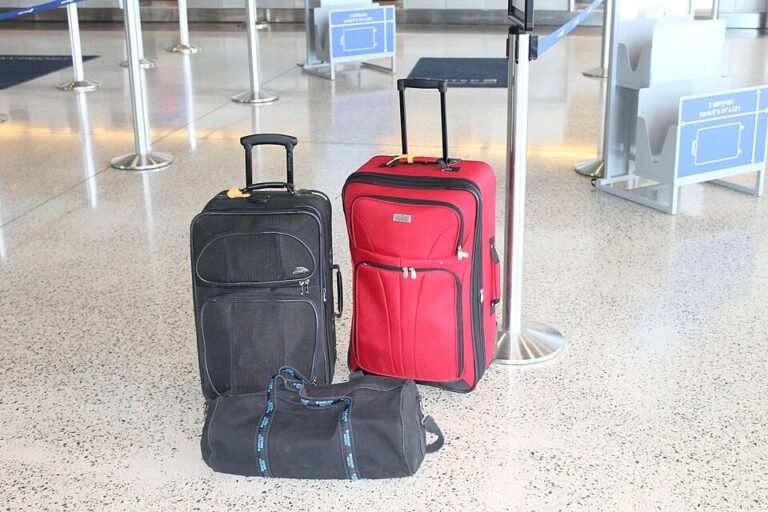
Packed suitcase representative of pilgrim luggage for the Jeddah to Makkah transfer

Roof racks and extra vehicle options

Roof racks are not a standard fitting on private taxis operating out of Jeddah Airport, and providers generally will not improvise one on the day, so it is not something to plan around. If a group’s luggage genuinely will not fit inside a single vehicle even in an SUV or van class, the practical solution is booking a second vehicle for the same pickup time rather than trying to overload one car. This is worth arranging in advance rather than requesting it at the kerb, since it depends on vehicle availability at the time your flight lands.

When a second vehicle makes sense

A second vehicle is usually the right call for large family or group bookings, for anyone travelling with mobility equipment in addition to normal luggage, or for groups carrying bulk items such as multiple boxes of supplies. Splitting into two vehicles also means the journey is not held up if one car’s luggage load makes loading and unloading slower at each end.

Practical advice for pilgrims arriving with excess baggage

Declare your bag count when you book

The single most useful step is telling your transport provider your exact bag count, including hand luggage and any Ihram bag, when you book rather than on arrival. This lets the provider assign the right vehicle class before your flight even lands, instead of trying to solve a mismatch at the kerb after a long journey.

Keep essentials accessible

Pack anything you will need in the first hour after landing, medication, your Ihram change if it happens after arrival, and travel documents, somewhere you can reach without opening a case in the car park. Loading and unloading goes faster when only one bag needs to be reachable rather than the whole set.

Check your airline allowance separately

Ground transport capacity and airline baggage allowance are two separate limits, and confirming one does not confirm the other. Check your airline’s checked and hand baggage allowance directly with them before you fly, since excess baggage fees at check-in are outside your taxi provider’s control and are set entirely by the airline.

Tell your provider about bulky or fragile items

Folding wheelchairs, car seats, musical instrument style cases, or boxed items are all things a provider can plan around if they know in advance. Mentioning these at booking, rather than as a surprise at pickup, is what keeps the vehicle choice right the first time.

Booking the right vehicle for your luggage

The simplest way to avoid a squeeze on the Jeddah to Makkah road is to match the vehicle to the honest total of what you are carrying, not just the number of passengers. Count every bag, including the Ihram bag and hand luggage, before you book, and if you are close to the edge between a saloon and an SUV, choose the larger class. It costs less than the stress of repacking bags on the pavement outside the terminal after an overnight flight, and it means the first hour of your pilgrimage starts calmly rather than with a luggage puzzle.

Related guides

Checked sources

Saudi e-Gate at Jeddah Airport: What It Means for Your Taxi Pickup

Saudi Arabia’s e-Gate system lets eligible travellers clear immigration at an automated kiosk instead of a manual desk, and it has been rolled out at King Abdulaziz International Airport (KAIA) in Jeddah as part of a wider push to speed up arrivals processing. For pilgrims booking a pre-arranged taxi, the natural question is whether clearing immigration faster changes anything about how the pickup itself works. The short answer is that it can shave time off your wait, but only if you also tell your transport provider what to expect.

Reviewed planning guidance. Details can change; use the linked official sources and get a live quote for current pricing and availability.

What the Saudi e-Gate actually does

e-Gate is an automated immigration lane that uses passport and biometric data, usually a facial scan or fingerprint check taken against your passport chip, to clear you through the border without a face-to-face conversation with an immigration officer. It exists to reduce queueing at busy international airports, and KAIA is one of the airports where the kingdom has been expanding this kind of self-service processing as passenger numbers grow, particularly around Hajj and Umrah seasons.

Where it is available and working normally, e-Gate can turn what is sometimes a twenty or thirty minute queue at a staffed desk into a process that takes a couple of minutes per traveller. That difference matters most when several wide-body flights land close together and every manual desk has a queue stretching back through the arrivals hall.

Who can use e-Gate at Jeddah, and who still queues for a manual desk

Eligibility for automated immigration gates at Saudi airports has historically been narrower than at some other international hubs. GCC nationals typically have the broadest access to fast-track and automated lanes. For visitors travelling on a UK or other foreign passport, whether you can use e-Gate depends on the specific programme in place at the time you travel and whether your visa type and passport are enrolled, and this has been known to change as the kingdom expands its self-service infrastructure.

Checking before you fly

Because eligibility criteria move, do not assume you will be able to use e-Gate based on what a previous traveller told you, or what was true on your own last trip. If having a fast immigration experience matters to your onward pickup timing, check the current position through KAIA’s own passenger information channels or your visa or Nusuk booking confirmation closer to your travel date, rather than planning around an assumption.

Automated biometric e-gate kiosk at an airport immigration hall

Faster immigration does not always mean a faster pickup

Clearing passport control quickly is only the first stage of getting from your seat to the kerb. After immigration, you still need to collect checked luggage from the baggage claim area and pass through customs before reaching the public arrivals hall where a licensed driver would be waiting. If your bags take a while to appear on the carousel, a fast immigration clearance will not shorten the overall time before you are ready to leave the terminal.

This is worth knowing so you do not build unrealistic expectations around e-Gate. It helps most when immigration queueing was going to be the bottleneck for your particular flight. On a quieter arrival, or one where baggage handling is the slower step, the difference it makes to your total time in the terminal will be smaller.

What to tell your driver if you clear e-Gate quickly

A reputable transport provider tracks your flight’s actual landing time rather than working purely from a scheduled time, so a fast immigration clearance should not catch a well-run pickup off guard. Even so, it is worth mentioning at booking time if you expect to use e-Gate, particularly if you are travelling light with only carry-on luggage and could realistically be at the arrivals kerb noticeably earlier than a typical passenger on the same flight. That way your driver is not still finishing another job or parking up when you are already through and looking for them.

When e-Gate will not speed things up much

During the busiest points of the Hajj and Umrah calendar, immigration processing at Jeddah operates under very different conditions to a normal travel day, with extra staffing, dedicated pilgrim processing routes and, at times, the separate Hajj and Umrah terminal handling much of the seasonal volume outright. In these periods, whether an individual e-Gate lane materially speeds up your specific arrival depends heavily on how your flight and terminal are being processed that day, and it is sensible to assume a longer, more variable arrivals experience during peak season regardless of which immigration lane you use.

Groups travelling together

If you are travelling as a family or group, bear in mind that not everyone in your party may be eligible for e-Gate even if one member is, which can effectively remove any time advantage if you plan to walk out of the terminal together. Build your pickup timing around the slowest-clearing member of your group rather than the fastest.

What to do if e-Gate is unavailable or malfunctioning

Automated systems occasionally go offline or are closed during particular periods, in which case you will be redirected to a manual desk regardless of your eligibility. This is normal and outside your control, so it is worth not planning your pickup timing too tightly around an assumption that e-Gate will be open and working when you land. A transport provider tracking your flight number in real time can absorb this kind of variation without you needing to do anything, which is one of the practical reasons flight-number tracking matters more than a fixed pickup time on paper.

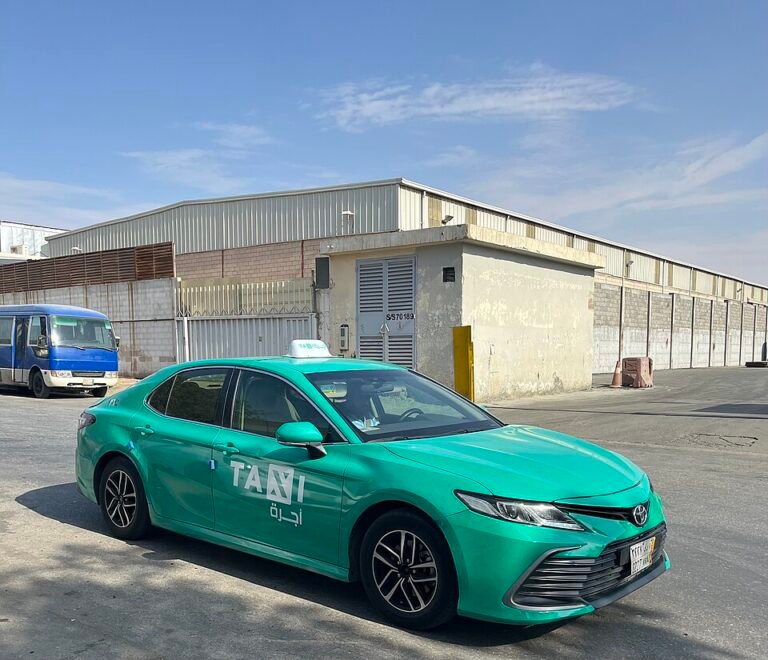
Taxis waiting at an airport arrivals kerb

Frequently asked questions

Can UK passport holders use e-Gate at Jeddah airport?
Eligibility depends on the programme in place at the time you travel and has changed over time, so check current guidance through KAIA’s passenger information channels or your visa and travel documentation shortly before you fly rather than assuming.

Will using e-Gate mean my taxi is waiting when I clear customs?
A reputable provider tracks your actual flight landing time, so your pickup should already be planned around your arrival. Mention that you expect to use e-Gate at booking time if you are travelling light and may clear the terminal faster than usual, so your driver is not caught out.

Does e-Gate work the same way during Hajj and Umrah peak season?
Peak season immigration processing, including any dedicated pilgrim routes and the separate Hajj and Umrah terminal, works differently to a normal travel day, so build in extra time regardless of which immigration lane you expect to use.

What happens if e-Gate is closed when I land?
You will be redirected to a manual immigration desk. This is normal. It is one more reason to give your transport provider your flight number rather than relying on a fixed pickup time, since they can adjust automatically.

Checked sources

Official information for your planning

Transport, airport, visa and visitor arrangements can change. These official sources are provided so you can check the current position for your journey. Checked 2026-07-25.

Hajj & Umrah Taxi Cab Co tracks your real flight number rather than a fixed pickup time, so however quickly you clear immigration at Jeddah, your driver already knows when to expect you at the kerb. Tell us if you are travelling light and expect a fast clearance, and we will plan accordingly.

Connecting Flights Through Jeddah: Getting Your Transport Booking Right

Not every pilgrim flying to Jeddah goes there directly. Depending on where you are travelling from and which airline you use, your route to King Abdulaziz International Airport may involve a connecting flight, either landing at Jeddah as your final airport with a change of aircraft somewhere else along the way, or landing at Jeddah itself and then connecting on to another flight before your Umrah transport pickup actually begins. Getting the sequence of your journey clear in your own head, and clear to your transport provider, matters more than it might seem when you are booking flights months in advance.

Reviewed planning guidance. Details can change; use the linked official sources and get a live quote for current pricing and availability.

Two different meanings of “connecting through Jeddah”

There are two distinct situations pilgrims describe as a connecting flight through Jeddah, and they need different planning. The first is a connection at a different airport, for example changing planes in a European or Gulf hub before the final leg lands at Jeddah. In this case, your Umrah transport pickup is straightforward once you land, because Jeddah is your final destination for that day’s travel. The second is a connection that happens at Jeddah itself, where you land at KAIA and then take a further domestic or international flight onward, for example continuing to Madinah by air rather than by road or rail, before your transport booking actually starts at the other end.

Confusing these two situations when you book your transport is the most common mistake. If your pickup is booked against your first landing time at Jeddah, but you are actually connecting onward from there, your driver will be waiting at the kerb while you are still airside catching a domestic flight, and the booking will not match what actually happens on the day.

If Jeddah is a stop before a further flight

Some pilgrims choose to fly into Jeddah and then take a short domestic flight on to Madinah, rather than travelling overland by taxi or by the Haramain train, particularly if their itinerary starts in Madinah. If this is your plan, your ground transport pickup should be booked against your arrival time at your actual final airport, not against your first landing at Jeddah. Make sure whoever is arranging your pickup understands that Jeddah is a connection point for you, not your final arrival airport, so the booking is matched to the right flight and the right city.

Immigration and customs on a same-day domestic connection

If your onward flight from Jeddah is domestic, you will generally clear Saudi immigration and customs at Jeddah as your first point of entry into the country, then proceed to your connecting domestic flight without needing to go through immigration again at your final destination. This affects how much time you should allow between flights, since you are not just making an aircraft to aircraft connection, you are also completing entry formalities for the first time. Building in a generous connection window, rather than the tightest one your airline will sell you, is worth doing on a pilgrimage trip where a missed connection has knock-on effects for your whole itinerary.

Airport departures board showing flight information

If your international connection happens before Jeddah

If instead your connection is at a hub airport before you reach Jeddah, and Jeddah is where your journey by air actually ends, then your Umrah transport pickup is booked in the normal way, against your landing time and flight number at KAIA. The main planning point here is making sure your connecting flight itinerary leaves a realistic gap before your final Jeddah leg, particularly if you are travelling with young children, elderly relatives, or a large group, since a delay on the first flight of a multi-leg journey can cascade into a late arrival at Jeddah that your transport provider needs to know about as soon as possible.

Why your final flight number matters more than your first

When you book your pickup, what your transport provider needs is the flight number and expected arrival time of the leg that actually lands at Jeddah, not the first flight of a multi-leg itinerary. If your journey involves more than one flight before you reach Saudi Arabia, double check which flight number is on your final approach into KAIA and share that specific detail rather than your full itinerary reference, to avoid any ambiguity about which landing time your driver should be tracking.

Building a realistic buffer around any connection

Whichever direction your connection runs, the safest approach to booking Umrah transport around a multi-leg journey is to avoid scheduling anything, including your pickup, right at the edge of the shortest possible connection time. Airlines will often sell a legally permitted minimum connection time, but that figure assumes everything runs exactly on schedule, with no queue at immigration, no delay collecting luggage, and no walk between distant gates. Pilgrims flying with checked luggage that needs to be collected and rechecked for a domestic onward flight in particular should allow more time than the airline’s minimum suggests.

What to tell your transport provider in advance

Give your transport provider the full picture of your journey, not just the final flight number. Explain whether you are connecting through another airport before Jeddah, or connecting onward from Jeddah to a further destination, and share every flight number involved in the day of travel. A provider who understands your full itinerary is better placed to plan for delays, adjust a pickup time if an earlier connecting flight runs late, and confirm the right pickup point for whichever airport your journey actually ends at that day.

Passengers at an airport check-in desk

Frequently asked questions

Should I book my Umrah transport pickup against my first flight or my final flight?
Always against the flight that actually lands at the airport where your transport pickup begins. If you are connecting onward from Jeddah to another airport, your pickup should match your arrival time at that final airport, not your first landing at Jeddah.

Do I need to clear immigration at Jeddah if I have a connecting domestic flight?
Generally yes, since Jeddah is usually your first point of entry into Saudi Arabia. Allow enough time between flights to complete entry formalities as well as make your connection.

What should I tell my transport provider if my journey involves more than one flight?
Share every flight number for the day, not just the final one, and explain clearly where any connection happens. This helps your provider adjust your pickup if an earlier flight runs late.

Is it safer to book a longer connection time than the airline’s minimum?
Yes, particularly if you are travelling with checked luggage that needs to be collected and rechecked, or travelling with children or elderly relatives. A tight minimum connection leaves no room for a delay at immigration or baggage claim.

Checked sources

Official information for your planning

Transport, airport, visa and visitor arrangements can change. These official sources are provided so you can check the current position for your journey. Checked 2026-07-25.

Hajj & Umrah Taxi Cab Co asks for every flight number on your day of travel, not just your final leg, so your pickup can adjust automatically if a connecting flight through or before Jeddah runs late. Tell us your full itinerary when you book and we will match your transport to the flight that actually lands.

Plan my transfer