Pilgrimage transport in partnership with Saudi Cab Co
support@hajjumrahtaxi.co.ukPilgrim journey support

Sharing a group vehicle: etiquette for budget-conscious Umrah travellers

Reviewed planning guidance. Details can change; use the linked official sources and get a live quote for current pricing and availability.

Sharing a group vehicle with pilgrims outside your own family is one of the most cost-effective ways to travel around Makkah and Madinah, and it works well for the vast majority of budget-conscious Umrah travellers. Like any shared travel arrangement, though, it goes more smoothly with a bit of shared understanding about etiquette. This guide covers the practical courtesies that make shared group transport pleasant for everyone in the vehicle, not just efficient.

Why shared transport suits many budget-conscious travellers well

A shared vehicle, whether arranged through a group tour operator or coordinated informally among pilgrims travelling similar routes at similar times, spreads the cost of a journey across more people than a private transfer, which can make a meaningful difference to a trip’s overall budget, particularly for longer intercity journeys such as Makkah to Madinah. It also has a social element some pilgrims genuinely enjoy, sharing the experience of Ziyarah visits or a long road journey with fellow travellers rather than travelling in a private car alone.

Passengers seated together in a shared group vehicle

Punctuality matters more in a shared vehicle

In a private transfer, running a few minutes late mainly affects your own schedule. In a shared vehicle, it affects everyone else in the group too, since the driver typically cannot depart until all passengers are present. Being ready at the agreed pickup time, and communicating promptly if you are genuinely delayed, is one of the simplest and most important courtesies in shared transport.

The same applies at each stop on a Ziyarah tour. If the group has agreed a set amount of time at a particular site, keeping to it respects everyone else’s schedule for the rest of the day, and a driver working to a group timetable is trying to balance every passenger’s interests, not just one person’s pace.

Luggage and space etiquette

Shared vehicles generally have less spare space per person than a private transfer booked for a single family, since the vehicle is carrying more passengers overall. Packing efficiently for a shared journey, and being realistic about how much luggage you bring on a shared Ziyarah tour specifically, helps avoid the awkwardness of a vehicle running out of space because one passenger has brought considerably more than everyone else expected.

If you know in advance that you have unusually bulky luggage or equipment, such as a mobility aid or a large amount of Ziyarah shopping to bring back, it is courteous to mention this to the organiser or provider ahead of time rather than surprising the rest of the group on the day.

Luggage packed into a shared minibus for a group tour

Conversation, quiet time and personal space

Pilgrims sharing a vehicle come from a huge range of backgrounds and are often travelling for deeply personal, reflective reasons. Some passengers enjoy conversation during a journey, while others prefer quiet time, particularly after a long flight or a demanding day of worship. A simple read of the group’s mood, and a willingness to follow rather than dominate the tone of the vehicle, generally makes for a more comfortable shared experience for everyone.

It is also worth being mindful of phone calls, music, or media on speakerphone in a shared vehicle, using headphones where practical, since not every passenger wants to share in a conversation or entertainment choice that is not their own.

Prayer time consideration in a shared vehicle

Shared transport, particularly for Ziyarah tours or intercity journeys, often needs to accommodate a stop around prayer time. A group travelling together generally benefits from agreeing this expectation upfront, either through the tour organiser or discussed briefly among passengers, so a stop for prayer is treated as a normal, expected part of the journey rather than an unplanned interruption that catches anyone off guard.

What to do if a shared journey does not go smoothly

Occasionally, a shared vehicle experience does not go as expected, whether due to a mismatch in group expectations or a genuine service issue. Raise concerns calmly with the tour organiser or transport provider directly rather than airing frustration within the vehicle itself, which rarely improves the situation and can affect other passengers’ experience unnecessarily.

Mixed groups: travelling with strangers of different backgrounds

Shared Umrah transport often brings together pilgrims of different nationalities, ages, and levels of religious observance, all sharing the same vehicle for a journey. This diversity is one of the genuinely rewarding aspects of shared transport for many travellers, offering a small window into the global nature of the Umrah pilgrimage itself. Approaching a shared journey with openness and basic courtesy toward fellow passengers, regardless of background, generally leads to a more pleasant experience for the whole group than treating the vehicle as simply a functional means of getting from one place to another.

When a private transfer is worth the extra cost despite budget priorities

Even budget-conscious travellers sometimes find specific legs of their trip better suited to a private transfer rather than shared transport, such as an airport pickup after an exhausting long-haul flight, or a journey involving an elderly relative who needs a slower, more flexible pace than a shared group schedule allows. It is entirely reasonable to mix shared and private transport across different parts of a single trip, choosing shared options where the saving matters most and a private transfer where comfort or flexibility genuinely outweighs the extra cost for that specific leg.

Setting expectations with a tour organiser before you commit

If you are booking a shared vehicle through a Ziyarah tour organiser rather than coordinating informally with fellow pilgrims, ask a few practical questions before committing: how many other passengers will typically share the vehicle, roughly how long each stop lasts, and whether the group size and itinerary are fixed or can flex on the day. Knowing these details in advance helps you judge whether the specific shared arrangement on offer genuinely suits your budget and comfort preferences, rather than discovering the details only once you are already in the vehicle.

Frequently asked questions

Is shared group transport safe for solo travellers?
Yes, shared transport arranged through a reputable tour organiser or transport provider is a common, safe option for solo pilgrims, and often suits solo budget-conscious travellers particularly well.

How much cheaper is shared transport compared to a private transfer?
This varies by provider and route, but sharing a vehicle generally reduces the per-person cost meaningfully compared to booking an equivalent private transfer alone, since the cost is spread across more passengers.

What is the most important etiquette point in a shared vehicle?
Punctuality. Being ready at the agreed time, and keeping to agreed stop durations on tours, respects the whole group’s schedule, not just your own.

Should I mention unusual luggage or equipment before a shared journey?
Yes, mentioning this to the organiser or provider in advance avoids surprising the rest of the group on the day and helps ensure the vehicle has genuinely enough space for everyone.

Checked sources

Official information for your planning

Group travel arrangements can change. These official sources are provided so you can check the current position for your journey. Checked 25 July 2026.

If you are travelling on a budget and want to compare shared and private transport options, we are happy to talk through what suits your itinerary best. Hajj & Umrah Taxi Cab Co offers both, so get in touch through our booking form for a quote.

How UK mosque committees organise group Umrah transport bookings

Reviewed planning guidance. Details can change; use the linked official sources and get a live quote for current pricing and availability.

Across the UK, a large proportion of group Umrah trips are organised not by commercial travel agents but by mosque committees, volunteers who take on the considerable task of coordinating flights, visas, accommodation and transport for their local congregation. If you are one of these volunteers, or your mosque is considering organising a group trip for the first time, this guide sets out how UK mosque committees typically approach the transport side of the process, and what tends to work well.

Why mosque-organised group transport works differently to commercial group tours

A commercial group tour operator usually has an established, repeatable transport arrangement built into their package. A mosque committee, by contrast, is often organising this for a specific congregation with its own mix of ages, mobility needs and experience levels, sometimes for the first time, and frequently on a volunteer basis alongside committee members’ regular jobs and lives. This means the transport arrangement usually needs to be built from scratch around the specific group, rather than dropped into an existing template.

Recognising this difference early helps committees avoid a common trap: assuming transport can be sorted quickly and cheaply close to departure because “it’s just taxis”, when in practice a group booking for a full congregation needs the same lead time and planning as any other large group transport arrangement.

Committee volunteers planning a group trip with documents

How most committees structure the process

Appoint a dedicated transport lead within the committee, separate from whoever is handling visas or accommodation, since transport coordination for a large group is a substantial task in its own right.

Collect accurate numbers and needs early, including a full breakdown of ages, any mobility requirements, and roughly how many family units versus individuals are travelling, since this shapes vehicle mix decisions later.

Request quotes from more than one transport provider, comparing not just price but experience with UK mosque groups specifically, since a provider familiar with this kind of booking will ask better questions upfront and is less likely to leave gaps in the plan.

Build the transport plan around the full itinerary, not just arrival and departure, including any Ziyarah tours the committee wants to offer as part of the trip, since bundling these into a single provider relationship is usually more manageable than arranging them separately later.

Communicating the transport plan to your congregation

Once transport is booked, clear communication back to the travelling group matters as much as the booking itself. Many committees find it useful to circulate a simple document covering which vehicle each family or individual is assigned to, key meeting times and locations, and a single contact number for transport queries during the trip, so individual travellers are not trying to reach the whole committee for a simple logistics question.

It also helps to hold a short pre-departure briefing, whether in person at the mosque or over a video call, specifically covering transport logistics, since this is often the area travellers have the most practical questions about before they fly.

A group of pilgrims boarding a coach together

Budget considerations specific to committee-organised trips

Mosque committees are often working with a mix of self-funded travellers and, in some cases, a subsidised place or two for community members who need support. This makes transparent, itemised transport quotes particularly useful, since committees can see clearly where costs sit and communicate this honestly to the group, rather than presenting a single bundled figure that is harder to explain or adjust if the group’s needs change closer to departure.

Common pitfalls worth avoiding

Leaving transport until visas and flights are sorted. Vehicle availability, particularly for coaches and larger groups, benefits from the same early booking as flights, not a lower priority behind them.

Assuming one provider’s quote automatically covers every leg of the trip. Confirm explicitly whether airport transfers, intercity travel, and Ziyarah tours are all included, or whether some need separate arrangement.

Underestimating luggage. Congregational trips often include pilgrims bringing gifts and items to distribute on return, which adds to luggage volume beyond a simple headcount estimate.

Supporting first-time travellers within your congregation

A mosque-organised group trip often includes a mix of experienced pilgrims and first-time travellers within the same congregation, and transport planning is a good opportunity to support the less experienced members specifically. Consider producing a simple, plain-language transport briefing document alongside your main itinerary, covering practical basics such as what to expect at airport pickup, how vehicle assignments work, and who to contact with logistics questions during the trip. Experienced committee members sometimes underestimate how much reassurance this kind of clear, written guidance provides to a first-time traveller within the group.

Learning from previous trips for future planning

Committees that organise group Umrah trips regularly often keep informal notes from each trip, covering what worked well with transport and what they would change next time, whether that is the choice of provider, the vehicle mix, or the communication approach used with the congregation. Building this kind of institutional memory within the committee, even informally, makes each subsequent trip somewhat easier to plan than starting entirely from scratch each time.

Balancing volunteer capacity with the scale of the task

It is worth being honest within your committee about how much volunteer time transport coordination for a full congregation genuinely requires, particularly for a first-time group trip. Some committees find it useful to bring in a small amount of paid administrative support for the busiest weeks before departure, rather than relying entirely on volunteer capacity that is already stretched across visas, accommodation and fundraising. This is a practical decision each committee needs to make based on its own resources, but recognising the real scale of the task early avoids volunteers becoming overwhelmed close to departure, which is when clear transport communication to the congregation matters most.

Working with a provider that understands community group dynamics

Beyond simply moving people from one place to another, a transport provider experienced with UK mosque groups understands the particular dynamics of congregational travel, including the mix of ages and experience levels typically present, the importance of prayer time consideration built into the schedule, and the value many committees place on keeping the whole group together wherever practical rather than splitting purely for vehicle efficiency. Raising these priorities directly with prospective providers during the quoting stage helps identify which ones genuinely understand this kind of booking, rather than treating it as an undifferentiated large group transfer.

Frequently asked questions

Should our mosque committee use a specialist Hajj and Umrah transport provider, or a general coach hire company?
A provider experienced specifically with Hajj and Umrah group transport is generally better placed to understand pilgrim-specific needs, such as Ziyarah itineraries and prayer time considerations, than a general coach hire company without that background.

How early should our committee start arranging transport?
As soon as your group’s travel dates and rough numbers are confirmed, alongside your flight and visa planning, rather than treating it as a lower priority task to finalise later.

Do we need a dedicated transport lead on the committee?
It is strongly advisable for any group of meaningful size, since transport coordination for a full congregation is a substantial task that benefits from a single, dedicated point of contact rather than being shared informally.

How should we communicate transport details to our congregation before travel?
A clear written summary of vehicle assignments, meeting points and a single transport contact number, ideally backed up by a short pre-departure briefing, works well for most committees.

Checked sources

Official information for your planning

Group travel arrangements can change. These official sources are provided so you can check the current position for your journey. Checked 25 July 2026.

If your mosque committee is organising a group Umrah trip, we work directly with UK community organisers on transport planning from the very first quote. Hajj & Umrah Taxi Cab Co is happy to talk through your congregation’s needs, so get in touch through our booking form.

Transport for pilgrims using mobility aids beyond wheelchairs

Reviewed planning guidance. Details can change; use the linked official sources and get a live quote for current pricing and availability.

Most transport advice for pilgrims with mobility needs focuses on wheelchairs, but wheelchairs are only one part of the picture. Mobility scooters, walking frames, rollators and other mobility aids each bring their own practical transport questions, from whether they fold for a car boot to whether a vehicle even has the space and lifting capacity for a mobility scooter’s weight. This guide looks specifically at transport for pilgrims using mobility aids beyond wheelchairs.

Mobility scooters: the biggest planning consideration

Mobility scooters are considerably heavier and bulkier than most wheelchairs, and not every vehicle that comfortably handles a folding wheelchair can also handle a mobility scooter. Some scooters fold or dismantle into lighter component parts for transport, while others do not, and this single detail changes what kind of vehicle you actually need.

Before you book transport, check your specific scooter model’s folded or dismantled dimensions and weight, and share this with your transport provider directly rather than describing it generally as “a mobility scooter”. A provider needs concrete figures, not just a category, to confirm whether their vehicles can genuinely accommodate it, including whether the boot space and lifting requirements are realistic for their drivers to manage safely.

A folded walking frame of the kind used by pilgrims with mobility needs

Walking frames and rollators: usually straightforward, but worth mentioning

Walking frames and rollators are generally much easier to transport than mobility scooters, since most fold flat or fold down to a manageable size for a car boot. Even so, it is worth mentioning this equipment when you book rather than assuming it needs no consideration at all, particularly if you are already bringing other luggage and the combined space needed adds up.

If the pilgrim using the walking frame also needs a slower pace getting in and out of the vehicle, mention this too. A driver who knows in advance to allow extra time at each pickup and drop-off, rather than expecting a quick transfer, makes for a much smoother experience for everyone.

Battery considerations for powered mobility aids

If your mobility aid is battery powered, check in advance whether the battery needs to be removed for transport, and whether your airline has specific rules for flying with it, since air travel and ground transport can have different requirements. This is worth confirming directly with your airline before departure, and separately with your ground transport provider so a battery that needs to travel separately from the mobility aid itself does not create an unexpected complication at the vehicle.

A transport driver ready to assist passengers with their journey

What to tell your transport provider before you book

The specific type of mobility aid, not just a general description, including make and model if you have it, since this genuinely affects vehicle suitability.

Its folded or dismantled size and weight, if it needs to travel disassembled rather than the passenger remaining seated in it throughout.

Whether the pilgrim can transfer independently to a standard car seat, or needs to remain in or alongside the mobility aid for the whole journey.

Any time allowance needed at pickup and drop-off, so your driver plans for it rather than treating your stop like any other transfer.

Battery handling requirements, if applicable, so this is factored into both the vehicle choice and the loading process.

Getting around Makkah and Madinah once you arrive

Beyond airport and intercity transfers, think through how your mobility aid will work for everyday movement around the Haram itself. Mobility scooters can be more difficult to manoeuvre through dense crowds at peak prayer times than a standard wheelchair, so it is worth planning visits to the Haram around quieter periods where practical, and discussing with your hotel whether they have experience assisting guests with mobility scooters specifically, since this varies between properties.

Insurance and equipment protection while travelling

A personal mobility aid, particularly a powered scooter, is often a significant piece of equipment for its owner, and travel inevitably carries some risk of damage during handling. Check whether your travel insurance covers mobility equipment specifically, since standard policies do not always include this by default, and confirm with your airline how they handle damage claims for mobility aids checked or gate-checked during a flight. On the ground transport side, ask your provider how they handle loading and securing the equipment, since careful handling during loading is one of the more common points where minor damage can occur if not done properly.

Planning for equipment failure or breakdown while abroad

It is sensible to have a basic contingency plan in case your mobility aid experiences a mechanical issue while you are in Saudi Arabia, since repair options may be more limited than at home. Carry any relevant manufacturer contact details or warranty information, and ask your hotel or transport provider in advance whether they are aware of any local mobility equipment repair services, simply so you are not starting that search from nothing if an issue arises partway through your trip.

Communicating your needs consistently across every leg of the trip

A common frustration for pilgrims using mobility aids is having to re-explain their needs at every stage of the journey, from the airline to the airport assistance team to the ground transport provider to the hotel. Reduce this burden on yourself by preparing a short, clear written summary of your equipment and needs once, covering the type of aid, its dimensions and weight, whether you can transfer independently, and any battery handling requirements, then sharing this same summary with every provider involved in your trip rather than composing a fresh explanation each time. Many pilgrims find this single document, kept accessible on their phone and printed as a backup, genuinely reduces the friction of coordinating accessibility needs across multiple providers.

Choosing accommodation with your mobility aid in mind

Transport is only one part of getting around comfortably. Confirm separately with your hotel that your room and the routes between it and the lobby, dining areas and any shuttle pickup point genuinely accommodate your specific mobility aid, since accessibility standards and the practical layout of individual hotels vary considerably, even among properties that advertise themselves as accessible in general terms.

Frequently asked questions

Can a standard taxi accommodate a mobility scooter?
It depends entirely on the scooter’s folded or dismantled size and weight, and the specific vehicle. Share exact dimensions and weight with your transport provider so they can confirm suitability rather than assuming a general vehicle will work.

Do I need to remove the battery from a powered mobility aid to travel?
This depends on your airline’s rules for the flight and may also affect ground transport handling. Check directly with your airline before departure, and mention it to your ground transport provider as well.

Is a walking frame or rollator difficult to transport?
Generally not, since most fold down to a manageable size for a car boot, but it is still worth mentioning when you book, along with any extra time needed at pickup and drop-off.

What is the most important thing to tell a transport provider about a mobility aid?
Concrete details rather than a general category: the specific type, its folded or dismantled dimensions and weight, and whether the passenger can transfer to a standard seat or needs to remain in the aid throughout the journey.

Checked sources

Official information for your planning

Accessibility services and airline equipment rules can change. These official sources are provided so you can check the current position for your journey. Checked 25 July 2026.

Tell us the specific mobility aid you are travelling with, including dimensions and weight, when you book so we can confirm the right vehicle in advance. Hajj & Umrah Taxi Cab Co is happy to talk through accessibility needs before you travel, so get in touch through our booking form.

Splitting one large family group across multiple vehicles without anyone getting lost

Reviewed planning guidance. Details can change; use the linked official sources and get a live quote for current pricing and availability.

When one large extended family travels together for Umrah, whether that is three generations or several siblings’ households combined, a single vehicle usually will not fit everyone. Splitting across multiple cars is normal and manageable, but it does introduce a genuine risk: without a clear plan, it is easy for the group to become separated at an airport, a hotel, or a busy Ziyarah site, with no shared understanding of where everyone is meeting next. This guide sets out how to split a large family group across vehicles without losing anyone along the way.

Decide the split before you arrive, not on the day

The most common mistake large family groups make is leaving the vehicle split to be worked out at the airport kerb, once everyone is tired, jet lagged and dealing with luggage. Decide in advance which family members travel in which vehicle, and communicate this to everyone before you fly, ideally in writing in a shared group chat, so there is no confusion when you land.

A sensible starting point is grouping by household or by who is best placed to help whom, such as keeping grandparents with the adult child most familiar with mobility needs, and keeping young children with their own parents rather than splitting a nuclear family across cars for the sake of an even headcount.

Multiple taxis lined up ready to transport a large family group

Nominate a lead vehicle and a clear meeting protocol

With multiple vehicles travelling the same route, particularly for an intercity journey such as Makkah to Madinah, agree in advance which vehicle is the “lead” for coordination purposes, and set a simple rule: if vehicles get separated on the road, both continue directly to the agreed destination and confirm arrival by phone, rather than trying to catch up with each other en route, which usually causes more delay and stress than it solves.

For airport pickups specifically, agree a single, clearly described meeting point outside the terminal where all vehicles will gather before departing, rather than each car peeling off with its passengers as soon as they are loaded. This keeps the whole family together at the start of the trip even if you then travel in convoy or split by vehicle from that point onward.

Booking multiple vehicles with one provider

Where possible, book all your vehicles through a single transport provider rather than several separate bookings with different companies. This makes coordination considerably easier, since one provider can brief all your drivers on the same itinerary, the same meeting points, and the same group leader contact, rather than you having to relay the same information separately to unconnected drivers who have never worked together before.

When you book, give the provider the full group breakdown: how many vehicles, how many passengers per vehicle, and who the designated contact person is for each car. This also helps the provider recommend whether your specific split genuinely needs, say, three saloon cars or would work better as two larger vehicles instead.

A group of travellers gathered together after arriving at their destination

A simple communication system that actually works under pressure

Create a family group chat before you travel, specifically for this trip, and add every adult in the party plus, ideally, your transport provider’s coordination contact if they offer this.

Share each vehicle’s driver name and contact number in the group chat as soon as it is confirmed, so any family member can reach any driver if needed, not just the person who made the original booking.

Agree a simple check-in habit, such as a message confirming arrival at each major stage of the day, hotel drop-off, Ziyarah site arrival, and departure back to the hotel, so nobody is left wondering whether another vehicle has arrived safely.

Keep a printed or saved copy of the full itinerary and vehicle plan accessible to everyone, not held only in one person’s head or one person’s phone, in case that person’s phone runs out of battery or loses signal at exactly the wrong moment.

What to do if the group does get separated

Despite good planning, separations can still happen, particularly in crowded areas like the Haram itself. Agree a simple default rule before you travel: if anyone becomes separated, they should make their way to the pre-agreed meeting point or contact the group leader directly, rather than everyone independently trying to search for each other in a large crowd, which rarely works well and can extend the separation rather than resolve it.

Assigning a role, not just a vehicle, to each adult

Beyond simply deciding who sits in which car, some large family groups find it useful to assign each adult a light coordination role for the trip, such as one person managing the group chat and driver contacts, another keeping a shared document of the itinerary and vehicle assignments, and another checking in with elderly or younger members at each stop. This spreads the coordination workload rather than leaving one person, often whoever organised the trip originally, responsible for tracking everyone throughout the entire journey, which becomes exhausting quickly across a multi-day trip.

Keeping the plan flexible without losing structure

A large family group’s plans rarely go exactly as scheduled, whether due to flight delays, an elderly member needing extra rest, or simply the unpredictability of travelling with a big group. Build some flexibility into your vehicle and meeting-point plan from the outset, such as a slightly later fallback meeting time if the earlier one is missed, rather than a single rigid schedule that falls apart entirely if one part runs late. A plan with a built-in fallback tends to hold together far better under the ordinary pressures of group travel than one that assumes everything will go exactly to plan.

Frequently asked questions

Should we book all our vehicles through one provider?
Generally yes, where possible. A single provider coordinating all your vehicles against the same itinerary and meeting points is considerably easier to manage than several separate bookings with unconnected companies.

How should we split family members across vehicles?
Group by household and by who is best placed to support each other, such as keeping young children with their own parents and grandparents with a familiar adult, rather than simply splitting for an even headcount.

What if our vehicles get separated during an intercity journey?
Agree in advance that both vehicles continue directly to the destination and confirm arrival by phone, rather than trying to catch up with each other on the road.

What is the single most useful thing to set up before travelling as a large family group?
A shared group chat with every adult, the full itinerary, and each vehicle’s driver contact details, set up before you fly rather than assembled on the day.

Checked sources

Official information for your planning

Group travel arrangements can change. These official sources are provided so you can check the current position for your journey. Checked 25 July 2026.

If your extended family needs several vehicles for your Umrah trip, tell us the full breakdown when you book so we can coordinate every car against one itinerary. Hajj & Umrah Taxi Cab Co is experienced with large family bookings, so get in touch through our booking form.

Booking transport for a mosque or community group of 40 or more

Reviewed planning guidance. Details can change; use the linked official sources and get a live quote for current pricing and availability.

Booking transport for a mosque group or community trip of forty or more pilgrims is a genuinely different exercise to arranging a family transfer. The vehicle mix changes, the coordination on the ground changes, and the lead time you need before travel changes too. If you are the person organising this trip for your mosque or community group, this guide covers what to actually think through before you approach a transport provider.

Working out your vehicle mix, not just a headcount

A group of forty or more rarely travels in a single vehicle. Coaches typically run somewhere in the region of forty five to fifty five seats depending on the model, so a group of exactly forty may still need a full coach, or your provider may suggest splitting the group across two smaller minibuses instead, depending on your itinerary and luggage needs. It is worth discussing this trade-off directly with your transport provider rather than assuming a single “coach booking” automatically fits your numbers.

Luggage is often the deciding factor. A coach with limited under-floor storage may struggle with forty passengers each carrying a full suitcase, particularly if your group is travelling for an extended Umrah period, so give your provider a realistic estimate of luggage per person, not just a headcount, when requesting quotes.

Luggage being loaded into the storage of a coach

Lead time: book much earlier than you think you need to

Coach and large-vehicle availability is more limited than standard taxi availability, and demand for group Hajj and Umrah transport from UK mosque and community organisers is high, particularly around school holidays, Ramadan, and the weeks before Hajj. For a group of forty or more, it is sensible to approach transport providers as soon as your group’s travel dates are confirmed, rather than treating vehicle booking as something to finalise closer to departure the way you might for a single family transfer.

What a good group transport provider should ask you

A transport provider experienced with mosque and community groups should be asking you several specific questions, and if they are not, it is worth raising these yourself:

What is your full itinerary, not just your arrival and departure dates? A group that wants coordinated Ziyarah tours alongside airport transfers needs a different quote and vehicle plan to a group that simply needs airport-to-hotel-to-airport transport.

Does your group include anyone with mobility needs, elderly members, or young children? This affects vehicle selection and whether a mixed fleet, rather than a single coach type, better serves the whole group.

What is your luggage situation realistically, per person? As above, this materially affects vehicle choice and cost.

Who is your single point of contact on the day? For a group this size, having one nominated group leader who liaises directly with the transport provider avoids the confusion of forty individual conversations happening at once.

A large group of pilgrims gathering at an airport arrivals area

Coordinating pickup and drop-off logistics for a large group

Airport pickup for a group of forty or more needs a clear plan agreed in advance: where exactly the group will gather after clearing immigration and baggage, how the group leader will be identifiable to the driver or transport coordinator, and a realistic estimate of how long it will take everyone to clear the airport, since large groups rarely all finish immigration and baggage reclaim at the same moment.

A sensible approach many group organisers use is nominating two or three “checkpoint” members who confirm when the last of the group has cleared arrivals, rather than the driver or coordinator trying to track forty individuals independently.

Budgeting realistically for a group booking

Group and coach quotes are generally more cost-effective per person than individual taxi bookings, but the total figure for a group of forty or more is still a significant sum, and it is worth requesting a fully itemised quote covering airport transfers, any intercity travel between Makkah and Madinah, and Ziyarah tours separately, rather than a single bundled figure that makes it hard to see where costs sit. This also makes it easier to adjust your itinerary later if your group’s plans change without renegotiating the entire quote from scratch.

Handling group members who join or drop out after the initial booking

It is common for a mosque or community group’s final numbers to shift somewhat between the initial booking and departure, as individual members confirm or withdraw their place. Build some flexibility into your arrangement with your transport provider from the outset by asking directly how changes to passenger numbers are handled closer to departure, including any cut-off point after which the vehicle booking is effectively fixed. A provider experienced with group Hajj and Umrah bookings will generally have a clear, reasonable policy on this, since it is a routine part of managing group travel rather than an unusual request.

Insurance and welfare considerations for group organisers

As the organiser of a group of forty or more, it is worth confirming that your transport provider carries appropriate insurance and that vehicles meet relevant licensing and safety standards, both as a matter of your own due diligence and because your group members may reasonably ask you about this before travelling. A reputable, established provider should be able to answer these questions clearly and without hesitation when asked directly.

Planning a realistic itinerary around a group this size

A group of forty or more simply moves more slowly through any given stage of a journey than a small family group, whether that is boarding vehicles, clearing an airport, or moving through a Ziyarah site together. Build this into your itinerary from the outset rather than assuming a group timetable can match the pace of a smaller party. Many experienced organisers find it useful to add a genuine buffer of twenty to thirty minutes around each transition point in the day, airport to vehicle, vehicle to hotel, hotel to Ziyarah site, simply to absorb the natural time a larger group takes to move together without the whole schedule slipping as a result.

Working with your transport provider as an ongoing relationship, not a single booking

Groups of this size often benefit from treating their transport provider relationship as something to build over the full trip rather than a single transaction at the point of booking. Regular, clear communication in the days leading up to travel, confirming final numbers, any last-minute itinerary changes, and your on-the-ground contact details, tends to produce a smoother experience than a booking made once and left untouched until departure day.

Frequently asked questions

How far in advance should I book transport for a group of forty or more?
As soon as your group’s travel dates are confirmed. Coach and large-vehicle availability is more limited than standard taxis, and demand from UK mosque groups is high during popular travel periods.

Will my group definitely need a full coach?
Not necessarily. Depending on luggage and itinerary, some providers may recommend splitting a group of forty into two smaller minibuses instead. Discuss this directly rather than assuming one vehicle type fits automatically.

Should we appoint a single group leader to liaise with the transport provider?
Yes, this is genuinely one of the most useful things a group can do, both for airport coordination and for any changes that come up during the trip.

Does group size affect the cost per person?
Generally, larger group and coach bookings are more cost-effective per person than individual taxi transfers, though the total figure remains significant, so request an itemised quote to understand where costs actually sit.

Checked sources

Official information for your planning

Group travel arrangements can change. These official sources are provided so you can check the current position for your journey. Checked 25 July 2026.

If you are organising transport for a mosque or community group of forty or more, get in touch as early as possible with your full itinerary and luggage details. Hajj & Umrah Taxi Cab Co regularly works with UK group organisers, so contact us through our booking form to request a quote.

Umrah with elderly parents needing a wheelchair: transport-specific accessibility guide

Reviewed planning guidance. Details can change; use the linked official sources and get a live quote for current pricing and availability.

Taking elderly parents on Umrah when one or both need a wheelchair adds a layer of planning that goes well beyond an ordinary family trip. Airports are large, distances between sites in Makkah and Madinah can be considerable, and not every vehicle or pickup point is genuinely wheelchair accessible without some advance thought. This guide focuses specifically on the transport side of travelling with a wheelchair user, from airport arrival through to everyday journeys around the holy cities.

Start with airport wheelchair assistance, arranged in advance

Both King Abdulaziz International Airport in Jeddah and Prince Mohammad Bin Abdulaziz Airport in Madinah offer wheelchair assistance services, but these are far more reliably arranged in advance through your airline than requested on arrival. Contact your airline as soon as you book flights to register the need for wheelchair assistance at every stage, from the departure airport in the UK through to arrival and any connecting flights.

This assistance typically covers movement through the terminal, but it is worth understanding where that service ends and where your booked ground transport begins, so there is no gap in support between the arrivals hall and your vehicle.

Wheelchair assistance service at an airport terminal

Choosing a genuinely wheelchair-accessible vehicle

Not every vehicle marketed for family or group travel is suitable for a wheelchair user, particularly if the wheelchair itself needs to travel folded in the boot rather than the passenger transferring to a car seat. Be specific with your transport provider about your parent’s mobility needs: can they transfer from the wheelchair into a standard car seat with some support, or do they need to remain in the wheelchair throughout the journey, which requires a vehicle with wheelchair access and securing points rather than an ordinary saloon or estate car.

If a folding wheelchair simply needs to be stored rather than the passenger travelling in it, confirm the wheelchair’s folded dimensions with your provider so they can select a vehicle with enough boot space alongside your luggage. If your parent needs to remain seated in the wheelchair for the whole journey, ask specifically whether the provider has wheelchair-accessible vehicles (WAVs) available, since this is a distinct category of vehicle that not every operator has in its fleet, and availability should be confirmed well ahead of travel rather than assumed.

Distances and terrain around the Haram that affect planning

The area immediately around Masjid al-Haram in Makkah and Masjid an-Nabawi in Madinah involves considerable walking distances even from a nearby drop-off point, and crowd density at peak prayer times can make navigating a wheelchair through the crowd genuinely difficult. Both mosques have wheelchair-accessible entrances and, in Makkah, dedicated wheelchair circuits around the Kaaba, but reaching these facilities from a general drop-off point still requires some planning.

Booking a hotel as close to the Haram as reasonably possible, and discussing the closest permitted vehicle drop-off point with your transport provider, both make a meaningful difference to how manageable each day feels for an elderly parent using a wheelchair.

A wheelchair-accessible vehicle with a ramp

Intercity travel between Makkah and Madinah

For the journey between Makkah and Madinah, a private wheelchair-accessible vehicle generally offers more comfort and flexibility for an elderly parent than the Haramain high-speed train, since it allows door-to-door travel without navigating a large train station and platform on top of the journey itself. If cost or preference points you towards the train instead, check accessibility arrangements at both stations directly with Saudi Arabia Railways well before travel, since station-to-hotel transport at each end will still need to be arranged separately.

Planning for a slower overall pace, not just accessible vehicles

Accessible transport solves the physical logistics of moving your parent between locations, but it is only part of a genuinely comfortable trip. Building a slower, less packed daily itinerary matters just as much, since an elderly wheelchair user typically needs more recovery time between activities than a younger, more mobile traveller. Rather than planning back-to-back Ziyarah stops or same-day intercity travel combined with a full evening at the Haram, spread your itinerary out with realistic rest periods, and communicate this pacing to your transport provider so pickup times reflect a schedule your parent can actually sustain across the full trip, not just the first day or two.

Involving your parent in the planning conversation

It is worth having a direct conversation with your parent about their own comfort preferences before finalising transport arrangements, rather than making every decision on their behalf based on assumptions. Some elderly wheelchair users strongly prefer to remain in their own chair throughout a journey for familiarity and confidence, while others are comfortable transferring to a car seat if it means a wider choice of available vehicles. Their preference should shape which type of accessible vehicle you prioritise booking, since both approaches are valid and the right choice depends on the individual, not a general rule.

Practical tips for the journey itself

Build in extra time at every stage, from airport transfers to Ziyarah visits, rather than a tightly packed schedule that leaves no room for a slower pace.

Carry any mobility-related medical documentation or letters, particularly if your parent has specific medical needs that a driver or airport staff might need to be aware of.

Confirm hotel room accessibility separately from transport, since a wheelchair-accessible vehicle does not guarantee a wheelchair-accessible hotel room, and both need checking independently.

Discuss your parent’s specific needs directly with your transport provider before booking, rather than assuming a general “accessible vehicle” request covers every situation, since needs vary considerably between wheelchair users.

Frequently asked questions

How far in advance should I arrange wheelchair-accessible transport?
As early as possible, ideally alongside your flight and hotel booking, since wheelchair-accessible vehicles are a smaller part of most providers’ fleets and can be booked up during busy periods.

Can my parent stay in their own wheelchair during the transfer?
This depends on the vehicle. Ask your provider specifically whether they have wheelchair-accessible vehicles with securing points, as opposed to a standard vehicle that only accommodates a folded wheelchair in the boot.

Is the area around the Haram itself wheelchair accessible?
Both Masjid al-Haram and Masjid an-Nabawi have wheelchair-accessible entrances and facilities, including a dedicated wheelchair circuit around the Kaaba in Makkah, though reaching them from a drop-off point still involves some distance and crowd navigation to plan around.

Should I choose a private car or the Haramain train for an elderly wheelchair user travelling between Makkah and Madinah?
A private wheelchair-accessible vehicle generally offers a more comfortable, door-to-door option, avoiding the additional navigation of a large train station on both ends of the journey.

Checked sources

Official information for your planning

Accessibility services can change. These official sources are provided so you can check the current position for your journey. Checked 25 July 2026.

Tell us about your parent’s specific mobility needs when you book, including whether they need to remain in their wheelchair throughout the journey, and we will arrange the right vehicle. Hajj & Umrah Taxi Cab Co has experience with accessible Umrah transfers, so get in touch through our booking form.

Strollers, car seats and travel cots for Umrah with young children

Reviewed planning guidance. Details can change; use the linked official sources and get a live quote for current pricing and availability.

Travelling to Umrah with young children brings a specific set of transport questions that do not come up when it is just adults in the group. Do you bring your own stroller, or will one be provided? What happens with a car seat for a toddler on a long intercity transfer? Is there anywhere to store a travel cot if you need one at your hotel? None of these are complicated to solve, but they are much easier to sort out before you fly than to work out on the spot at Jeddah airport.

Strollers: bring your own, and expect to use it a lot

A lightweight, foldable stroller is genuinely one of the most useful items a family can bring on Umrah. Airports involve long walks between the gate and immigration, Ziyarah days involve a lot of standing and walking at each site, and even short trips between your hotel and the Haram are easier with a stroller for a toddler who tires quickly in the heat.

Most transport providers can accommodate a folded stroller in the boot alongside luggage without difficulty, but it is worth mentioning it when you book, particularly if your group also has substantial luggage, since this affects how much boot space is needed and whether a larger vehicle is the better choice. Umrah does not typically provide strollers for hire in the way some airports do for terminal use only, so bringing your own remains the most reliable option for the whole trip.

A baby stroller of the kind families bring for airport walks and Ziyarah days

Car seats for young children on transfers

Whether a car seat is required or simply advisable depends on the age and size of your child and the specific vehicle and provider you book with. UK parents are often used to strict car seat requirements at home and reasonably want to know what to expect in Saudi Arabia. The safest approach is to ask your transport provider directly whether they can supply an appropriate car seat or booster, or whether you should bring your own from the UK.

Bringing a compact, travel-friendly car seat from home guarantees you are using one you already trust and that fits your child correctly, and many parents find this the more reliable option for peace of mind on unfamiliar roads, particularly for longer transfers such as between Makkah and Madinah. If you would rather not carry a car seat through the airport, confirm well in advance whether your provider can supply one, since this is not something to assume will simply be available on the day.

Travel cots and where they fit into your transport planning

A travel cot is primarily a hotel matter rather than a transport one, but it does affect your luggage and therefore your vehicle choice. Many hotels in Makkah and Madinah that cater to families can provide a cot on request, which is worth confirming with your hotel directly before you travel rather than assuming availability, particularly during busier periods such as school holidays or Ramadan.

If you are bringing your own travel cot rather than relying on the hotel, factor its size into your luggage total when booking transport, since a family travelling with a stroller, a car seat and a travel cot alongside ordinary suitcases will generally need a larger vehicle than a family travelling with adults’ luggage alone.

A child car seat installed in the back of a car

Booking the right size of vehicle for a family with young children

It is easy to underestimate how much space a young family actually needs once strollers, car seats, nappy bags and extra luggage are all accounted for. When booking, give your transport provider a realistic picture: how many adults, how many children and their ages, and what equipment you are bringing, including strollers, car seats and any travel cot. A good provider will use this to recommend the right vehicle size rather than leaving you to guess and potentially arrive at the airport with more than the booked car can comfortably hold.

A few extra tips from families who have done this before

Pack a small bag of snacks, wipes and a change of clothes within reach, not buried in checked luggage, for the transfer itself.

Time transfers around nap schedules where possible, particularly for longer intercity journeys, since a sleeping toddler makes for a much easier trip than an overtired one.

Ask about stopping options on longer journeys if your child is likely to need a break, since most providers can accommodate a short stop on a Makkah to Madinah transfer if asked in advance.

Adjusting your equipment plan by the age and stage of your children

Families travelling with more than one child, at different ages and stages, often find that a single equipment plan does not fit everyone equally well. An infant may need a car seat and can usually be carried through the airport rather than needing a stroller for every stage, while a toddler is more likely to need both a stroller for long airport walks and a car seat for the road. An older child who has outgrown a car seat but still tires quickly on long Ziyarah days may benefit from a lightweight umbrella stroller even if they are technically capable of walking the whole distance, simply to manage fatigue and heat across a demanding day.

Thinking through each child’s specific needs separately, rather than assuming one equipment list covers the whole family, generally produces a more comfortable trip and a more accurate picture for your transport provider when booking the right vehicle.

Heat, hydration and children on transfers

Saudi Arabia’s climate is considerably warmer than the UK for much of the year, and this affects how you plan transfers with young children specifically. Keep water accessible in the car for every journey, dress children in light, breathable clothing for transit days, and avoid leaving a stroller or car seat in direct sun during any stop, since surfaces can become uncomfortably hot quickly. A driver experienced with family bookings will generally understand these considerations without being asked, but it does no harm to mention any specific concerns, such as a child prone to heat discomfort, when you book.

Frequently asked questions

Should I bring my own stroller or expect one to be provided?
Bring your own. Strollers are not typically provided as part of transport or hotel bookings, and a lightweight, foldable one is genuinely useful throughout the trip, not just at the airport.

Do I need to bring a car seat from the UK?
Check with your transport provider first. Some can supply an appropriate car seat or booster, while others expect you to bring your own. Confirm this at the time of booking rather than assuming either way.

Will my hotel provide a travel cot?
Many family-friendly hotels in Makkah and Madinah can, but availability should be confirmed directly with the hotel in advance, particularly during busy periods.

What size vehicle do I need for a family with young children and equipment?
This depends on your group size and equipment, so give your transport provider full details, including strollers, car seats and any travel cot, so they can recommend the right size rather than risk arriving to find the booked vehicle too small.

Checked sources

Official information for your planning

Family travel requirements can change. These official sources are provided so you can check the current position for your journey. Checked 25 July 2026.

Tell us your children’s ages and what equipment you are bringing when you book, and we will help you choose the right vehicle. Hajj & Umrah Taxi Cab Co is experienced in family Umrah transfers, so get in touch through our booking form.

Transport for a Group With a New Baby or Infant: Car Seats and Extra Time

Reviewed planning guidance. This article is general planning guidance for pilgrims arranging ground transport for Umrah or Hajj. Always check your airline’s current baggage rules and the latest Nusuk guidance before you travel.

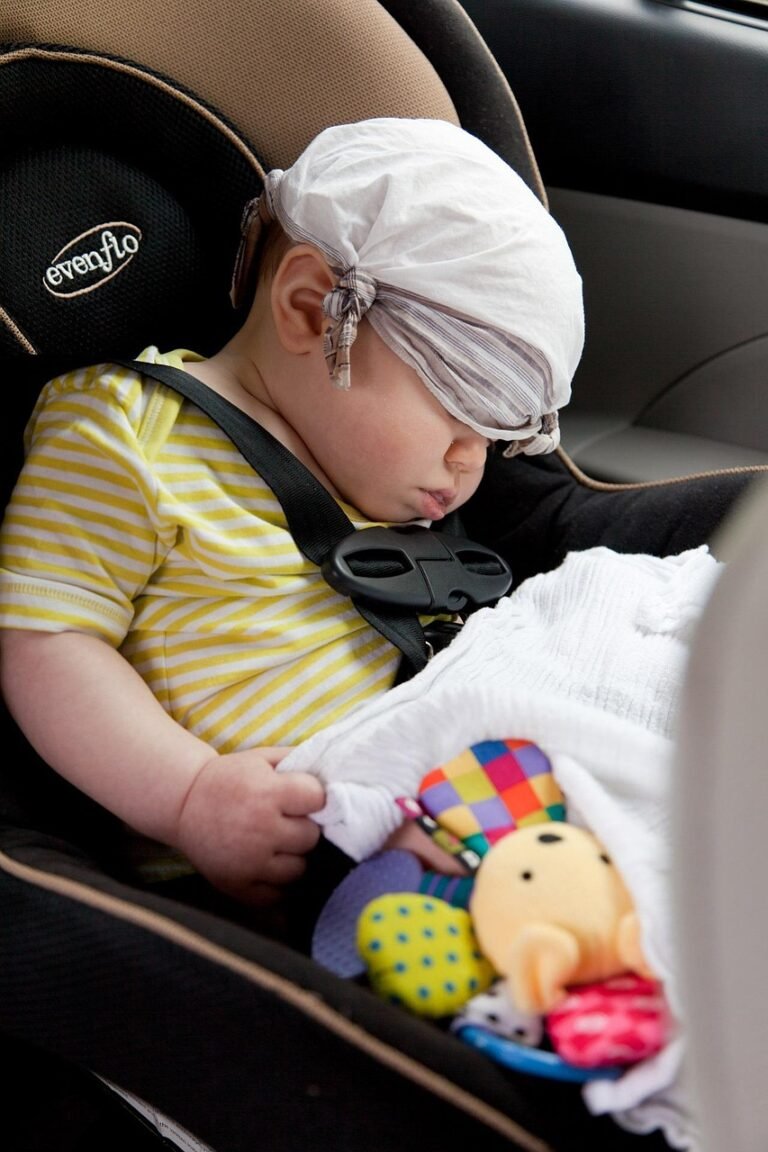
Travelling for Umrah or Hajj with a new baby changes the shape of every journey your group makes, from the airport pickup in Jeddah or Madinah to the short hops between hotel and Haram. A car seat is not an optional extra once an infant is part of the party, and neither is the extra time it takes to fit one, settle a baby, and manage feeds or naps around prayer times and transfer windows. This guide sets out how to plan car seats and realistic timings so the rest of your group is not left waiting, and so the newest member of the family travels safely and calmly.

Why a new baby changes your transport plan

A group booking that includes an infant is not simply a family booking with one extra person added on. The vehicle needs a genuine, correctly fitted car seat rather than a lap-held infant, the group’s luggage allowance has to account for a pram or travel cot alongside normal cases, and the schedule needs slack for feeding, changing and settling a baby who has just come off a long-haul flight. None of this is unusual for family travel generally, but Hajj and Umrah add their own pressures: crowded pick-up points, longer walking distances at some terminals, and a group itinerary that often has little flexibility once Ihram and Miqat timings are fixed.

Treat the infant as the variable that sets your group’s pace, not as an afterthought bolted onto the adults’ plan. That single mindset shift is what keeps a first journey with a baby from becoming a source of stress for everyone else travelling with you.

Car seats: what to check before you book

Not every vehicle class carries a car seat as standard, and not every car seat suits every stage of an infant’s growth. When you book, be specific about the baby’s age and weight rather than simply asking for “a car seat”, since an infant carrier for a newborn is a different piece of equipment to a convertible seat for a toddler.

  • Rear-facing infant carriers suit newborns and small babies and usually clip into a compatible base, which speeds up fitting at each pickup.
  • Convertible seats cover a wider age and weight range and are the more practical choice if your baby will grow noticeably over the course of a longer trip.
  • Booster or combination seats are for older toddlers, not newborns, so confirm the right category before the vehicle arrives.
  • Isofix-compatible bases generally fit and release faster than a seat belt-installed seat, which matters when you are making several short transfers in one day.

Ask your provider to confirm the exact seat type, not just that “a seat will be provided”, and ask whether it will already be fitted before you arrive or whether the driver fits it on pickup. Either is workable, but knowing which one to expect lets you plan the minutes either side of collection.

Infant car seat fitted in the back of a car ready for a pilgrim family transfer

Building extra time into every transfer

The single most common mistake families make with a new baby in the group is booking the same journey time they would use without one. A car seat fitting, even when quick, adds minutes at both ends of a trip. A baby who needs a feed, a nappy change, or simply time to settle before the vehicle sets off adds more. Multiply that across an airport transfer, an intercity move between Makkah and Madinah, and several Ziyarah stops, and the extra time needed across a trip is considerable, even if each individual delay feels small.

  • Add at least 20 to 30 minutes either side of any transfer involving the infant’s car seat, particularly the first journey of the trip when everyone, including the driver, is working out the routine.
  • Build a buffer before Miqat and Ihram-related stops specifically, since these are the points in the journey where the whole group’s schedule is least forgiving.
  • Avoid booking the tightest possible connection between flight landing and onward transfer; a delayed bag claim combined with a car seat fitting can eat a short window quickly.
  • Plan overnight or late-evening transfers with the baby’s normal sleep pattern in mind rather than purely around flight or train timetables.

None of this needs to slow the whole group down if it is planned for in advance. It only becomes a problem when the itinerary assumes adult-only pace and the baby’s needs are squeezed in around it instead of built into it from the start.

Miqat, Ihram changes and Ziyarah stops with an infant

Multi-stop days are where an infant in the group makes the biggest practical difference. A Miqat stop for Ihram, a change of clothes, or a short prayer break all take longer with a baby, because someone in the group is usually managing the infant rather than free to move at the group’s normal speed. If your itinerary includes several Ziyarah sites in one outing, consider whether it is realistic to keep the baby’s car seat fitted and moved between stops, or whether it makes more sense to reduce the number of stops on days when the baby is likely to be unsettled, such as shortly after arrival.

It also helps to confirm with your transport provider whether the vehicle will wait at each stop with the car seat still fitted, or whether the seat needs to be removed and refitted each time. A vehicle that waits removes one layer of disruption from an already busy day, particularly if a parent needs to step away briefly to feed or settle the baby while others in the group complete a stop.

Coordinating vehicles for larger family groups

When a new baby travels as part of a wider family or community group, the car seat question becomes a coordination question too. A single infant seat only solves the problem for the vehicle it is fitted in; if your group is split across two or three cars because of numbers or luggage, you need to be clear about which vehicle the baby and car seat will travel in for every leg, not just the first one.

It is worth nominating one point of contact within the group, usually a parent or grandparent, to confirm car seat details directly with the transport provider rather than leaving it to a general group booking enquiry. Group and family bookings covering several vehicles are common for Hajj and Umrah travel, and providers used to this kind of trip will usually be able to hold the same seat, or a matching one, across each transfer so the baby is not moved between different equipment unnecessarily. Check the latest guidance on the Nusuk pilgrim platform for anything specific to your group’s permit and travel dates before you finalise transport bookings, since arrangements sometimes need to line up with permit-linked movement windows.

A practical checklist before departure day

A short pre-departure checklist saves a surprising amount of stress once you are actually on the ground and trying to move a group with an infant through an airport or between hotels.

  • Confirm the exact car seat type and age or weight range with your transport provider in writing, not just verbally.
  • Share your baby’s rough feeding and sleeping pattern with whoever is organising the group’s transport, so transfer times can be set around it where possible.
  • Pack a compact travel bag with feeds, nappies and a change of clothes that stays with the parent, not buried in checked luggage, for the journey itself.
  • Check gov.uk’s foreign travel advice for Saudi Arabia ahead of the trip for anything currently relevant to family travel, and keep a note of your own embassy’s pilgrim guidance in case you need it while you are away.
  • Agree, before you fly, which vehicle in a multi-car group the baby will travel in for each leg of the trip, so there is no last-minute rearranging at a busy pickup point.

None of these steps take long to arrange, but doing them before you fly rather than on arrival is what keeps the first day of the trip calm rather than rushed.

Extended family group with a baby waiting for transport outside a Saudi airport terminal

Frequently asked questions

Q: Can we bring our own car seat instead of using one provided by the transport company? A: Yes, most providers are happy for you to bring your own seat, and doing so means the baby travels in familiar equipment throughout the trip. Confirm with your provider in advance so the vehicle booked can accommodate it, and check your airline’s current baggage rules for travelling with a car seat.

Q: How much extra time should we allow for a transfer with a baby in the group? A: A minimum of 20 to 30 minutes either side of the journey is a reasonable starting point, more on the first transfer of the trip while everyone finds their routine. Build in more buffer around Miqat, Ihram changes, or any day with several Ziyarah stops.

Q: Does every vehicle class come with a car seat as standard? A: No, availability varies by provider and vehicle type, so always confirm the exact seat type and that it suits your baby’s current age and weight when you book, rather than assuming it is included.

Q: What if our group is split across more than one vehicle? A: Agree in advance which vehicle the baby and car seat will travel in for each leg of the trip, and nominate one person in the group to confirm these details directly with the transport provider so nothing is left to be decided at the pickup point.

Q: Should we plan fewer stops on the day we land? A: It is often worth it. A baby who has just come off a long flight is more likely to be unsettled, so a lighter first-day itinerary with fewer Ziyarah stops and more buffer time tends to work better than a packed schedule.

Q: Is there official guidance on travelling with infants for Hajj or Umrah? A: Nusuk’s pilgrim platform is the best source for anything permit or movement related, and it is worth checking ahead of your specific travel dates. General family transport advice, like the points in this guide, sits alongside that rather than replacing it.


If you would like help matching your plans to the right vehicle, Hajj & Umrah Taxi can put together a fixed-price quote based on your exact travel details. Get in touch before you fly and we will make sure your transport is arranged around how you are actually travelling, not the other way round.

Booking Separate Vehicles for Men and Women in a Family Group: What to Know

Reviewed planning guidance. This article is general planning guidance for pilgrims arranging ground transport for Umrah or Hajj. Always check your airline’s current baggage rules and the latest Nusuk guidance before you travel.

Some families travelling for Hajj or Umrah prefer to arrange separate vehicles for the men and women in their group, whether that is for comfort, for extended family groups where not everyone is closely related by mahram rules, or simply because a large party is easier to manage split across two cars. It is a completely normal request, but it changes how you should plan pickups, seating and timings. This guide walks through what to think about before you book, so the day itself runs smoothly rather than becoming a logistical scramble at the airport or hotel, and so nobody in the group is left wondering which car they are supposed to be in.

Why families choose to split by gender

There are several genuine reasons a family group asks for two vehicles instead of one larger one. The most common is mahram consideration within an extended party, where cousins, in-laws or family friends are travelling together and not every combination of passengers would be considered mahram to one another. Rather than everyone squeezing into a single people carrier, splitting into a car for the men and a car for the women keeps everyone comfortable with the arrangement.

Other families simply prefer it for practical reasons: elderly parents travelling with younger women in the group may want a quieter vehicle, or a group with young children finds it easier to manage two smaller cars than one packed minivan with luggage stacked to the ceiling. Some groups also find that a smaller car with fewer stops for prayer breaks or rest suits one part of the family better than the other, particularly on the longer Makkah to Madinah leg. Whatever the reason, it is worth being clear with your transport provider from the outset rather than trying to sort it out at the kerb, since a driver arriving with the wrong vehicle configuration has very little room to fix things on the spot.

How this works when you book

When you book with a private taxi or transfer company, splitting a family group into separate vehicles is usually a straightforward request as long as you flag it in advance. You will typically need to confirm:

  • How many passengers are travelling in each vehicle, so the right car size is booked for each group
  • Whether both vehicles need to arrive and depart at the same time, or whether a short gap between them is acceptable
  • How much luggage each group is carrying, since bags are often distributed unevenly between two smaller cars rather than one large one
  • A single point of contact number for the whole family, so the driver coordinating both cars can reach someone if plans change

Most operators will confirm two separate bookings under the same family reference, which makes it easier to track both vehicles against one trip rather than two unconnected jobs. It also means that if one leg of the trip needs to change, such as a later flight or an extra night in Madinah, both bookings can be updated together instead of one being amended while the other is quietly forgotten about.

Family group with luggage waiting to be split between two taxis outside an airport terminal

Sizing the vehicles correctly

A common mistake is booking two identical vehicles when the two groups are not actually the same size. If six women and three men are travelling together, a like-for-like split into two equal cars leaves one vehicle overcrowded and the other with spare seats going unused. It is worth counting heads and luggage separately for each group before you book, and telling the operator the real numbers rather than assuming a standard split.

Luggage is often the part families forget to plan for. Ihram bags, extra prayer mats, gifts bought during the trip and any medical equipment for elderly relatives all add up quickly, and it rarely divides evenly between the two vehicles. If one group is carrying noticeably more luggage, say so when booking so a larger vehicle or an extra boot allowance is arranged for that car rather than leaving passengers to hold bags on their laps. This becomes even more important on the return leg, once shopping and gifts have added extra bulk that was not there on the way out.

It is also worth thinking about wheelchair or mobility equipment separately from general luggage. If either vehicle is carrying a folding wheelchair or walking frame for an elderly relative, mention it when you book so the right size of boot, or a vehicle with easier access, is assigned to that car rather than the one that happens to have spare seats.

Coordinating pickup and drop-off between two vehicles

The trickiest part of running two vehicles for one family is keeping them together, or at least keeping everyone informed if they are not travelling in convoy. A few points worth agreeing before the day:

  • Decide whether both cars should leave at exactly the same time or whether a short stagger is fine, particularly if one group needs longer to gather at the pickup point
  • Agree a meeting point at the destination, such as the hotel lobby or a specific gate at the airport, rather than assuming both cars will arrive within sight of each other
  • Share flight or train details with the operator for both vehicles if you are being collected from an airport or the Haramain station, so delays on one side do not leave the other vehicle waiting unnecessarily
  • Keep one phone number as the shared contact for both bookings so drivers and passengers are not trying to reach different people for the same trip

If your journey includes an airport transfer, checking the latest arrivals guidance on nusuk.sa before you fly can help you confirm what to expect on arrival and plan pickup timing around it with more confidence.

Extended families and mixed groups

Larger Hajj and Umrah groups often include people who are not all related to one another in the same way, such as a family travelling with friends, or several households joining forces to share transport costs. In these cases it is worth thinking through the group in advance rather than deciding on the day, since seating decisions that feel obvious to you may not be obvious to a driver meeting the group for the first time. Write down, even informally, who is travelling in which car and share that with whoever is coordinating pickup.

It also helps to think about the return journey at the same stage as the outbound one. Groups sometimes split for the arrival transfer but forget to plan the same arrangement for the departure transfer, which can lead to confusion when everyone is tired at the end of the trip and trying to remember who booked what. Confirming both legs together when you first book avoids that, and it also means the same driver or company already understands your seating arrangement rather than having to explain it twice.

If the group is large enough that a single family reference covers several households, it can help to appoint one person as the point of contact for transport specifically, separate from whoever is managing the wider trip. That person does not need to organise everything themselves, but having one name the transport provider can call if something changes on the day tends to prevent the kind of confusion that comes from three different family members each thinking someone else has confirmed the pickup time.

Two separate vehicles parked together outside a hotel in Makkah for a family group

What to check before you travel

A short checklist before you fly can save a lot of stress once you land:

  • Confirm both vehicles in writing, with passenger numbers and pickup times for each
  • Check your provider’s cancellation and amendment policy in case one group’s flight changes and the other does not
  • Review current entry and travel guidance for Saudi Arabia on gov.uk so nothing about the trip itself catches your family by surprise
  • Keep a printed or saved copy of both booking references, since airport wifi is not always reliable the moment you land
  • Agree what happens if one vehicle is delayed, such as whether the other group waits or continues to the hotel

None of this needs to be complicated. Most of it comes down to giving your transport provider clear numbers and clear expectations before the day, rather than trying to explain a split group to a driver at the roadside.

Frequently asked questions

Q: Can we book separate vehicles for men and women within the same family group? A: Yes, this is a routine request for private transport providers serving pilgrims, and most will set up two linked bookings under one family reference as long as you confirm passenger numbers for each vehicle in advance.

Q: Does it cost more to split one large vehicle into two smaller ones? A: It depends on the vehicle sizes involved and the total number of passengers, since two smaller cars are not always more expensive than one large one. Ask your provider for a fixed-price quote based on your actual group split rather than assuming a cost difference either way.

Q: How do we make sure both vehicles arrive at the same time? A: Confirm a shared pickup time with the operator for both cars and agree a meeting point at the destination, such as the hotel lobby, so the group can regroup even if the two vehicles do not arrive within sight of each other.

Q: What if one group has more luggage than the other? A: Tell your provider the approximate luggage count for each vehicle when you book, so a larger car or extra boot space can be arranged for the group carrying more, rather than passengers having to hold bags in the cabin.

Q: Should we book the return journey the same way as the arrival transfer? A: It is worth confirming both legs at the same time so the same split is applied on departure, since it is easy to forget to repeat the arrangement once the trip is underway.

Q: Who should be the point of contact if we book two vehicles? A: Nominate one phone number for the whole family booking, even though two cars are involved, so drivers and the operator have a single person to reach if plans change on the day.


If you would like help matching your plans to the right vehicle, Hajj & Umrah Taxi can put together a fixed-price quote based on your exact travel details. Get in touch before you fly and we will make sure your transport is arranged around how you are actually travelling, not the other way round.

Transport Planning for a Mixed Group of Hajj and Umrah-Only Travellers

Reviewed planning guidance. This article is general planning guidance for pilgrims arranging ground transport for Umrah or Hajj. Always check your airline’s current baggage rules and the latest Nusuk guidance before you travel.

Many pilgrims travel as part of an extended family or community group where not everyone is doing the same thing. Some may be performing Hajj this year, others are joining for Umrah only, and a few might be staying on for extra days of Ziyarah once the main rites are complete. Booking transport for a group like this is genuinely more complicated than booking for a group that is all on the same schedule, because the itineraries diverge at different points and the vehicle plan has to flex around that. This guide sets out how to plan ground transport so a mixed group can travel together where it makes sense and split cleanly where it does not.

Why a mixed group needs a different transport plan

Hajj follows a fixed set of dates and locations tied to the Islamic calendar, with movement between Makkah, Mina, Arafat and Muzdalifah happening on a strict timetable. Umrah, by contrast, can be performed almost any time outside the Hajj period and has no equivalent movement schedule. When a family group includes both Hajj pilgrims and Umrah-only travellers, you are effectively running two different itineraries under one roof, and the transport plan needs to reflect that rather than treat everyone as a single unit moving together the whole trip.

The practical effect is that your group will need vehicles at different times for different subsets of people. Trying to force everyone into one shared schedule usually means someone waits around unnecessarily, or a vehicle is booked for the wrong number of days. Planning transport separately for the Hajj segment and the Umrah-only segment, while still coordinating shared legs such as the initial airport pickup, tends to work far better in practice.

Start by drawing a simple timeline for each traveller or sub-group, noting arrival date, planned rites, and departure date. In most mixed groups you will find three distinct segments:

  • A shared arrival window, where everyone lands within a day or two of each other and can travel together from the airport to Makkah.
  • A divergence point, usually just before the Hajj rites begin, where Hajj pilgrims move into Mina and Arafat while Umrah-only travellers remain in Makkah or move on to Madinah.
  • A possible reunion window afterwards, if the Umrah-only travellers wait for the Hajj group to finish before travelling home together.

Once this is mapped out, the transport booking becomes much simpler to organise. You are not trying to solve one impossible schedule, you are booking three or four separate legs, some shared and some not, each with a known number of passengers and a known date.

Extended family group with luggage waiting together outside an airport terminal in Saudi Arabia

Booking the shared airport arrival together

Even when itineraries later split, most mixed groups still want to arrive at Jeddah or Madinah airport together, particularly if there are elderly relatives or young children in the party who benefit from having the whole family present at that first, often tiring, stage of the journey. A single larger vehicle or a small convoy booked in advance means everyone clears the airport, collects luggage, and travels to their hotel as one group, which is usually the least stressful way to start the trip.

If your group is large enough to need more than one vehicle for the airport transfer, book them together with the same pickup time rather than staggering bookings, so the whole party arrives at the hotel within a similar window. This is also the point where it helps to designate one person, often the same person coordinating the Nusuk bookings, as the single point of contact for the transport provider, so instructions about flight times and passenger counts do not get lost between several separate conversations.

Planning the split for the Hajj days and the paperwork behind it

Once Hajj begins, the Hajj pilgrims in your group will typically move through Mina, Arafat and Muzdalifah under arrangements coordinated through their Hajj group or package, with transport for these specific stages generally organised as part of that official Hajj arrangement rather than booked independently. This is worth confirming early, since it affects what your own separate booking needs to cover.

Meanwhile, the Umrah-only members of the group are free to continue their own plans, whether that means extra Ziyarah visits around Makkah, an early trip to Madinah, or simply resting at the hotel until the Hajj group returns. Their transport needs during this period are entirely separate from the Hajj pilgrims’ and should be booked as such, on their own schedule and for their own party size. Because the Hajj period is the busiest and most demand-driven time of the year for transport, this is also the stage where booking early matters most for the Umrah-only portion of the group. If they need a driver for a Makkah to Madinah leg, or for local Ziyarah trips, confirming that booking well ahead of the Hajj dates avoids being caught out by reduced availability during peak season.

Hajj and Umrah are governed by different permits and booking routes through the official Nusuk platform, and a mixed group will usually be carrying a mix of Hajj permits and Umrah visas within the same party. This matters for transport planning because certain movements, particularly into the Hajj sites during the Hajj period, are tied to that specific permit and are not something a general taxi or private driver booking can substitute for. Check the current requirements on the Ministry of Hajj and Umrah’s website before assuming that a single transport booking can cover everyone in the group regardless of what permit they are travelling on.

It also helps to keep a simple written record, even just a shared note, of who in the group holds which permit type and what dates it covers, so this can be shared quickly with your transport provider when booking each leg. A driver arranging pickup for six people needs to know in advance if two of them are not part of the same onward journey as the other four.

Choosing vehicles and timings that flex with the group

A mixed group rarely needs the same vehicle size for every leg of the trip. The airport arrival might call for a larger van to fit the whole extended family and their luggage, while a mid-trip Ziyarah run for the Umrah-only members alone might only need a smaller car. Rather than booking one vehicle size for the entire stay, it is usually more practical, and often more cost-effective, to book each leg according to who is actually travelling on it.

Build in some flexibility around timing too. Hajj-related movements can shift slightly depending on official scheduling, and it is sensible to confirm pickup times for the non-Hajj members of the group a day or two ahead rather than fixing every date months in advance. Before you travel, it is also worth checking the latest gov.uk travel advice for Saudi Arabia and, for US-based pilgrims, the US Embassy’s pilgrim guidance, since both are updated with practical notes that can affect how you plan movement around the Hajj and Umrah seasons.

Two vehicles of different sizes parked outside a Makkah hotel ready for a group transfer

Keeping one person in charge of the transport plan

With several sub-itineraries running under one trip, the single most useful thing a mixed group can do is appoint one person to hold the whole transport plan. This does not need to be complicated. A shared document listing each leg, the date, the passenger count, and who is confirmed to be travelling is usually enough. That person becomes the point of contact for the transport provider, which avoids the confusion of several family members each booking or amending pickups separately and duplicating or missing a leg altogether.

This is particularly important around the divergence point before Hajj begins, when the group physically splits for the first time. Confirming the night before who is travelling where, and with which vehicle, takes the guesswork out of what can otherwise be a hectic morning.

Frequently asked questions

Q: Can we book one taxi company for both the Hajj and Umrah-only parts of our trip? A: Yes, for the legs outside the official Hajj movements, such as airport transfers, hotel to hotel travel, and intercity trips between Makkah and Madinah. Movement within the Hajj sites during the Hajj days is typically arranged through your official Hajj permit and group, so check what that already covers before booking separately.

Q: Do Umrah-only travellers in our group need to wait for the Hajj pilgrims to return before travelling home? A: Not necessarily. Many mixed groups choose to fly home separately, with the Umrah-only members departing earlier. Book their return transport to the airport around their own confirmed flight rather than tying it to the Hajj group’s schedule.

Q: How far in advance should we book transport for a mixed group? A: As early as your flights and hotel dates are confirmed, particularly for any legs falling within the Hajj period, when demand for transport is at its highest. The shared airport arrival and any Umrah-only intercity legs are the easiest to lock in early.

Q: Should we book one large vehicle for the whole group or separate smaller vehicles? A: It depends on the leg. A shared airport arrival often works best with one larger vehicle or a small convoy, while later legs where the group has split are usually better served by smaller vehicles sized to whoever is actually travelling on that trip.

Q: What if some of our permits or visas cover different date ranges? A: This is common in mixed groups and is exactly why a clear written record of who holds which permit and for what dates matters. Share this with your transport provider for each booking so pickups are arranged around the right people for the right leg.

Q: Who should be the point of contact with the transport company? A: One person, ideally whoever is already coordinating the group’s Nusuk bookings or itinerary. A single point of contact reduces the risk of duplicated, missed, or conflicting bookings across a group with several moving parts.


If you would like help matching your plans to the right vehicle, Hajj & Umrah Taxi can put together a fixed-price quote based on your exact travel details. Get in touch before you fly and we will make sure your transport is arranged around how you are actually travelling, not the other way round.

Plan my transfer