

Reviewed planning guidance. Details can change; use the linked official sources and get a live quote for current pricing and availability.
Itikaf, the practice of secluding oneself in the mosque for worship during the last ten nights of Ramadan, draws some of the largest sustained crowds Makkah and Madinah see all year. Unlike a single peak day, Itikaf means huge numbers of worshippers remaining in and around the two Haramain continuously for an extended period, which has knock-on effects for transport that are worth understanding if you are planning to perform Itikaf yourself, or simply need to move around the cities during this window for any other reason.
What makes Itikaf different from ordinary Ramadan crowding
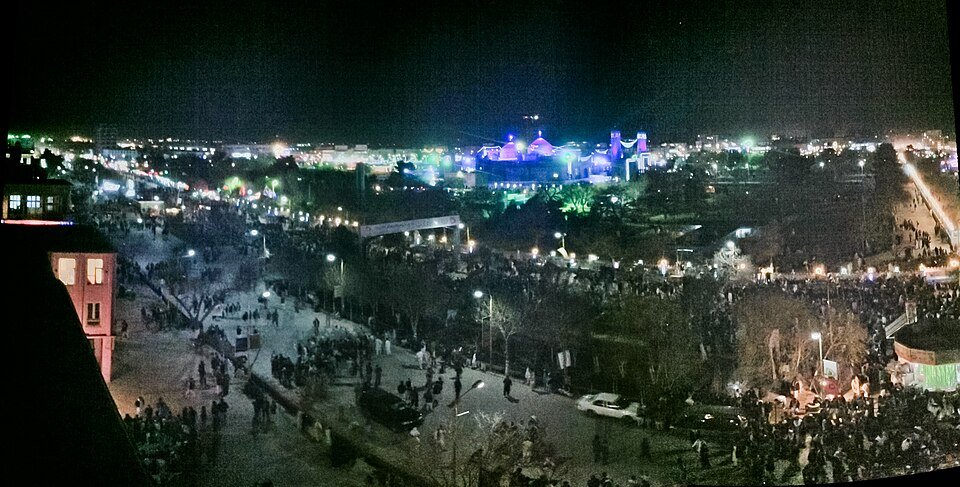
Ramadan as a whole brings higher pilgrim numbers than most of the year, as covered elsewhere on this site, but the last ten nights specifically bring an additional, sustained surge tied to Itikaf and the search for Laylat al-Qadr. Worshippers performing Itikaf remain within the mosque complex for extended periods, sometimes the full ten nights, which means the areas immediately around Masjid al-Haram and Masjid an-Nabawi carry not just higher footfall but a different, more continuous pattern of crowding than a single busy prayer time elsewhere in the year.
For transport specifically, this means road access and vehicle drop-off points near both Haramain are under sustained pressure for the full ten-night period, not just at a single predictable peak, which changes how you should plan any journey that touches this area during this window.

Transport planning if you are performing Itikaf yourself
If you intend to remain in seclusion for some or all of the last ten nights, your main transport need is typically a single, well-planned journey in at the start of your Itikaf period and a single journey out at the end, rather than the frequent back-and-forth transfers a shorter visit might involve. Book both of these journeys well in advance, since this is one of the most in-demand travel windows of the entire year and last-minute availability is genuinely limited.
Plan for your entry journey to take considerably longer than it would outside this period, given the road congestion around both Haramain, and build in a generous buffer rather than cutting your arrival close to when you intend to begin Itikaf.
Transport planning if you need to move around the cities for other reasons
Not everyone in Makkah or Madinah during the last ten nights is performing Itikaf. Families accompanying someone in seclusion, pilgrims performing Umrah during this period without observing Itikaf themselves, and anyone with hotel, flight or other logistics during this window all still need to move around the cities, and all face the same underlying crowding.
Expect journeys near either Haramain to take significantly longer than normal, particularly around Iftar, Taraweeh and the pre-dawn hours when worshippers move in large numbers to and from the mosques.
Book transport well ahead of when you need it, rather than assuming a car will be readily available on short notice, since demand for vehicles is elevated across the entire ten-night period, not just on one or two specific nights.
Consider your hotel’s proximity to the mosque carefully if you have flexibility, since a longer walking distance from a hotel further out may actually prove more manageable during this period than a vehicle journey through the most congested immediate vicinity of the Haram.

Airport transfers timed around the last ten nights
If your flight arrival or departure falls within or close to the last ten nights, expect airport-to-city transfers to take longer than usual too, both because of general Ramadan airport congestion covered elsewhere and because of the additional traffic drawn toward the Haramain specifically during this period. Give your transport provider your actual flight details and be realistic about arrival timing at your hotel, rather than assuming a standard transfer time will apply.
A practical note on odd-numbered nights
Many pilgrims specifically prioritise the odd-numbered nights within the last ten, in pursuit of Laylat al-Qadr, which concentrates demand even further on those specific nights within an already busy period. If your schedule allows some flexibility, being aware that odd nights typically see the heaviest crowding of all helps set realistic expectations for transport timing on those particular evenings.
Supporting family members visiting someone in Itikaf
Families are sometimes asked to bring supplies or simply visit a relative performing Itikaf during this period, even though the person themselves remains in seclusion. If this applies to you, plan these visits with the same realistic transport expectations covered above, since the area around the mosque will be equally congested for a short visit as it would be for a longer stay. It is often more practical to consolidate several small visits into fewer, well-planned trips rather than making frequent short journeys back and forth through the busiest days.
Health and comfort considerations during a demanding period
The combination of Ramadan fasting, extended time in worship, and the physical demands of navigating a crowded environment makes the last ten nights genuinely taxing, even for experienced pilgrims. Build realistic rest expectations into your transport planning, avoiding back-to-back journeys with no recovery time in between, and consider that a slightly longer but less congested route or timing choice may ultimately be more comfortable than the fastest theoretical option through the busiest crowds.
Frequently asked questions
How much longer should I allow for transport during the last ten nights of Ramadan?
Significantly longer than an ordinary journey, particularly around Iftar, Taraweeh and pre-dawn hours. There is no single reliable figure, so build in a generous buffer rather than a tight schedule.
Should I book my Itikaf transport as a single journey in and out, or plan for daily transfers?
Most pilgrims performing Itikaf plan a single well-timed journey in and a single journey out, since remaining in seclusion means daily back-and-forth transport is not typically needed.
Do the odd-numbered nights see noticeably heavier crowds?
Yes, many pilgrims specifically prioritise odd-numbered nights within the last ten in pursuit of Laylat al-Qadr, which concentrates demand further on those particular evenings.
Is it worth choosing a hotel further from the Haram during this period?
It can be, depending on your circumstances, since a longer walk from a hotel further out may prove more manageable than a vehicle journey through the most congested immediate vicinity of the mosque during peak crowding.
Checked sources
Official information for your planning
Crowd management and access arrangements can change year to year. These official sources are provided so you can check the current position for your journey. Checked 25 July 2026.
If you are planning to perform Itikaf, or simply need to travel around Makkah or Madinah during the last ten nights of Ramadan, book your transport as early as possible. Hajj & Umrah Taxi takes bookings well ahead of this busy period, so get in touch through our booking form to secure your dates.