

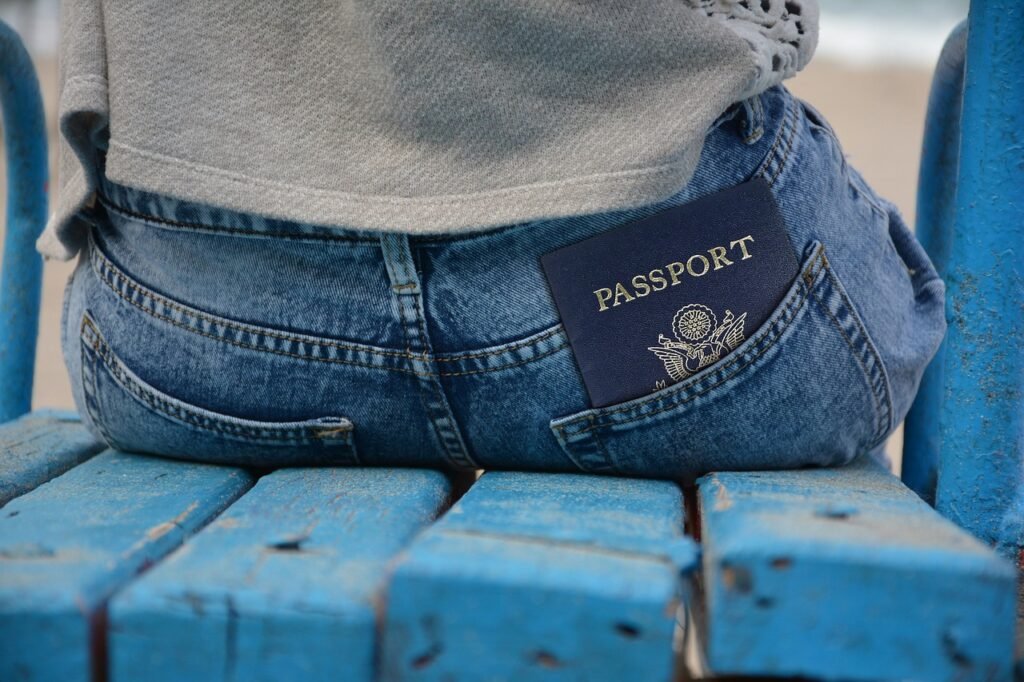
Reviewed planning guidance. Details can change; use the linked official sources and confirm current documentation requirements before you travel.
Deciding what to actually carry in the vehicle during your Umrah trip, as opposed to what stays secured at your hotel, is a question that catches out a surprising number of first-time pilgrims. Carry too little and you risk being caught without something you genuinely need at a checkpoint or immigration point. Carry too much, including your original passport and every document you own, and you risk losing everything at once if a bag goes missing. This guide sets out a sensible middle ground based on what transport journeys in Saudi Arabia actually require.
What you should have accessible during transport
Your Nusuk permit or Umrah visa confirmation, either printed or reliably accessible on your phone with a downloaded copy in case of no signal, should travel with you on every transport leg, since this is what officials or checkpoint staff are most likely to ask for during the pilgrimage season. A photocopy or photo of your passport’s data page is worth having accessible too, even on a short local transfer, since it covers you if you are asked to confirm identity without needing to produce the original.
Your transport booking confirmation, including the provider’s contact number and your booking reference, should also be within easy reach, both for your own reference if plans need to change and because a driver or provider representative may ask you to confirm details at pickup.
What is safer left secured at your hotel
Your original passport is generally safer left in a hotel safe for day to day local transport and Ziyarah trips, carried only when specifically required, such as for an intercity journey crossing between cities, an airport transfer, or when explicitly requested by your group leader or provider. This is standard advice from most experienced Hajj and Umrah operators, and it significantly reduces the consequences of losing a bag or being pickpocketed during a busy day of Ziyarah.
Large amounts of cash, spare cards you are not actively using, and any valuables not needed for the day’s transport should similarly stay secured rather than travelling with you on every journey. A vehicle, however trusted the provider, is still a place where bags can be misplaced during loading and unloading, particularly for group trips with multiple stops.
Vaccination and health documentation
Certain vaccination certificates, including meningitis (ACWY) documentation, are a standard entry requirement for Hajj and Umrah pilgrims and can be requested at various points, so keep at least a photo of this certificate accessible on your phone, with the physical copy stored safely and brought out when specifically needed rather than carried loose in a day bag. Requirements can be updated between seasons, so check current guidance for your travel dates rather than assuming last year’s requirements still apply exactly.
A simple system that works for most pilgrims
In your day bag or on your phone, every journey
- Nusuk permit or Umrah visa confirmation, digital and printed if possible.
- A photo or photocopy of your passport’s data page.
- Your transport booking confirmation and provider contact number.
- A photo of your vaccination certificate.
Secured at your hotel, carried only when required
- Your original passport.
- Physical vaccination certificate.
- Spare cash and unused cards.
- Any other valuables not needed for that day’s transport.
What to do if a document goes missing from the vehicle
Tell your driver immediately if you realise something is missing while still in or near the vehicle, since a document left on a seat or in a door pocket is often found quickly if reported before the vehicle leaves. Note your booking reference and provider contact details separately from the booking itself, precisely so that losing your phone or the booking confirmation does not also mean losing the ability to contact the provider.
Digital copies versus physical originals: the trade-offs
A digital copy is convenient, always with you if your phone is charged, and easy to duplicate across devices, but it depends entirely on battery life and signal, both of which can fail at exactly the moment you need a document checked. A physical copy has no battery to run out, but is bulkier, can be damaged by heat or spilled water, and cannot be duplicated instantly if lost. Most experienced pilgrims settle on a combination, digital copies as the primary day to day reference, with a physical printed copy of the most essential documents, your Nusuk permit and passport data page, kept as a backup in a separate bag from your phone.
Managing documents for a family or group
For a family travelling together, it is worth deciding in advance who holds which documents, rather than assuming everyone is carrying their own throughout the trip, particularly for young children whose documents are more sensibly kept with a parent. For a larger group, a group leader keeping a master list of everyone’s Nusuk reference numbers, separate from each individual’s own copy, is a useful safeguard, since it means the group has a fallback reference point even if an individual pilgrim’s own documents are temporarily misplaced.
Whatever system you choose, agree it before the trip starts and stick to it consistently, since a document system that changes day to day, with different people responsible for different things at different times, is far more likely to result in something being left behind.
A note on Ihram and limited pockets
Male pilgrims in Ihram face a particular practical constraint, since traditional Ihram garments have no pockets, which means a small waist pouch or document belt worn underneath is worth arranging before your trip specifically for the periods you are in Ihram. Test whichever solution you choose before you travel, ideally worn for a few hours around the house, since discovering during an actual transport journey that a pouch is uncomfortable or awkward to access is a poor time to find out.
Frequently asked questions
Q: Should I carry my original passport on every Ziyarah trip? A: Generally no. Most experienced operators recommend keeping the original secured at your hotel for local Ziyarah, carrying a photocopy instead, and only bringing the original when specifically required, such as intercity travel.
Q: What happens if I am asked for a document I left at the hotel? A: A photo or photocopy is usually sufficient to satisfy an initial check, but you may be asked to produce or confirm the original later, so know how quickly you could retrieve it if genuinely needed.
Q: Is a digital copy of my Nusuk permit acceptable, or does it need to be printed? A: A digital copy is generally acceptable and widely used, but download it for offline access in case of poor signal, and consider carrying a printed copy as a backup for peace of mind.
Q: Do children need to carry any documents separately from their parents? A: Requirements vary depending on how a child’s visa and Nusuk registration are structured, so check current guidance specific to your family’s booking rather than assuming a single approach applies universally.
Q: Should I keep documents in a bag that stays with me, or can they go in the boot? A: Keep essential travel documents in a bag that stays with you in the passenger compartment rather than the boot, so you have immediate access without needing to stop and unload luggage.
Checked sources
Official information for your planning
Saudi transport regulations, safety guidance and booking practices can change. These official sources are provided so you can check the current position before you travel. Checked 26 July 2026.
If you would like guidance on what to carry for your specific itinerary, Hajj & Umrah Taxi’s team is happy to help you plan ahead of your trip. Get in touch through our booking form.