

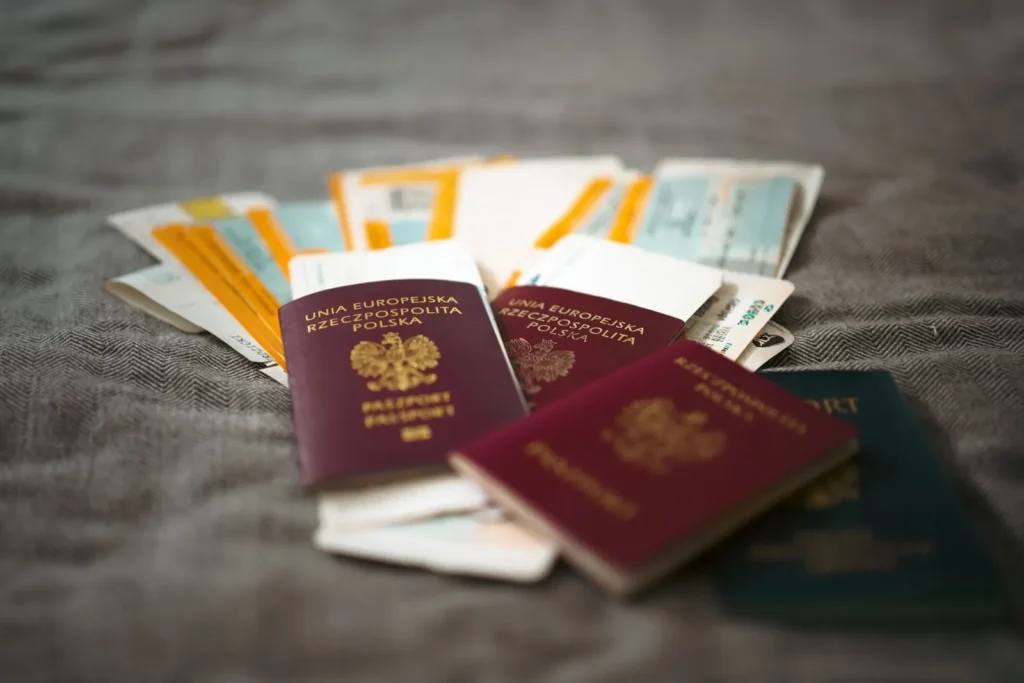
The Umrah visa 30-day entry window is the rule, widely reported from the end of October 2025, that a standard Umrah visa must be used to enter Saudi Arabia within 30 days of the date it is issued, rather than within the three months that applied before. The stay once you are inside the Kingdom is unchanged at up to 90 days. The window runs from the issue date, not from your flight date, so the moment your agent or Nusuk application is approved, a clock starts that your airline and your transfer provider know nothing about. This guide explains how the rule was reported, how to confirm it on your own visa, and how it changes the order in which you should book flights, hotels and ground transport from the UK.
What exactly is the Umrah visa 30-day entry window?
Regional press reports published on 30 and 31 October 2025, including Gulf News and The Peninsula, described amendments by the Ministry of Hajj and Umrah under which the validity of an Umrah visa before entry was shortened from three months to one month from issuance. The reports said an unused visa would be cancelled automatically 30 days after issue if the holder had not registered an entry into the Kingdom in that time. The permitted stay after arrival stayed at three months.
Those reports attributed the detail to sources quoted by Al Arabiya and to an adviser to the National Committee for Umrah and Visit, who linked the change to managing the surge in pilgrim numbers as the weather cooled. They said the change would take effect the following week, without a published calendar date.
Two things matter for a UK pilgrim reading this in October 2026. First, the rule has been applied in practice by Umrah agents since late 2025, which is why your operator now asks about flight dates before applying. Second, the Ministry’s English-language pages that we reviewed, including its official Umrah guide, describe the 90-day stay but do not restate the 30-day entry limit in so many words. The authoritative statement for your trip is therefore the “valid until” or “must enter before” date printed on the visa itself.
How does the Umrah visa validity to enter differ from the length of stay?
Pilgrims often collapse two different periods into one. The validity to enter is the time between the issue date and the last day on which you may pass Saudi immigration. The length of stay is the time you may remain once you have entered. The first is now reported as 30 days; the second is up to 90 days, as the Ministry’s guide states for visas issued through the Maqam platform or a consulate.
The 90-day stay has its own history. A Pilgrims Experience Program news item from July 2023 recorded the Ministry extending the Umrah visa stay from 30 to 90 days as electronic Umrah visas began to be issued through Nusuk for arrivals from 1 Muharram 1445. So for about two years the position was roughly three months to enter and three months to stay; since late 2025 it has been reported as one month to enter and three months to stay.
Neither period can be extended by you. If the entry window passes, the visa is void and a new application is needed. If the stay runs out, you are overstaying, and the FCDO’s entry-requirements page (updated 13 October 2026) warns of large fines, detention, deportation and a possible ban on return.
Does the entry clock apply to your visa?
The October 2025 reports concerned the standard Umrah visa: the single-trip document issued through Nusuk or a licensed agent, and the one most UK package pilgrims receive. Other documents that can be used for Umrah carry their own validity rules, which were not part of these amendments and are not discussed here.
If you are unsure which document you hold, look at its title and the issuing route before worrying about the 30 days. Our side-by-side guide to Umrah visa categories helps you identify it. Everything below assumes a standard Umrah visa.
Counting the 30 days: where the clock starts and stops
The reports tie the clock to the issue date and say the visa lapses if no entry is registered within 30 days. They do not explain whether the issue date counts as day one or day zero, and we found no official worked example. Until one is published, plan as if the issue date is day one, which gives the earlier deadline, and treat the entry-by date printed on the visa as final.
The clock stops when Saudi immigration records your entry, not when you board in the UK. An overnight flight that leaves Manchester on the evening of your last valid day could land after midnight, on a date the visa no longer covers. If your landing is close to the edge, move the flight or ask your agent to time the application later.
Families should also note that each person’s visa has its own issue date. Applications submitted together are often approved together, but not always. If one child’s visa is approved two days earlier than the rest, that child’s clock runs out two days earlier, and it is that earliest date the whole family’s flight must respect.
When should you apply for the visa relative to your flight?
Work backwards from your outbound flight. The visa must be issued no earlier than 30 days before the day you land in Saudi Arabia, and it must be in your hands before you fly. In practice that leaves a band of roughly two to four weeks before departure in which the application should be approved. Earlier risks the visa expiring before you travel; later risks it not arriving in time.
The Ministry’s guide notes that a Maqam-route Umrah visa is “issued in a few minutes” once the steps are complete, and that Nusuk lists visa issuance within 24 hours among its services. Those are processing times, not guarantees; our article covering a late visa when your transfer is already arranged explains why pilgrims should still allow slack.
If an agent is applying on your behalf, ask them explicitly on which date they intend to submit, and ask them to confirm the issue date and the entry-by date to you in writing as soon as the visa is approved. A group leader managing a mosque party should keep a simple list: name, issue date, entry-by date, flight date.
Book the flight first or the visa first?
Most UK pilgrims need a firm flight date before the visa can be timed correctly, because the visa window is anchored to the issue date and the issue date must be chosen to suit the flight. That argues for securing the flight first, ideally on a fare with a change option, and then applying for the visa inside the window.
The counter-argument is that a non-refundable flight bought before the visa exists is money at risk if the application is refused or delayed. There is no perfect answer. A reasonable compromise is a flight fare that can be changed for a fee, booked once your eligibility is clear, with the visa application timed for roughly three weeks before departure.
Your choice of arrival airport belongs in the same decision. As of 13 October 2026, GOV.UK’s Saudi travel advice lists Jeddah, and every Saudi airport except Madinah’s Prince Mohammad bin Abdulaziz International, among the places it advises against all but essential travel to, alongside Aseer, Riyadh, Najran and Jizan provinces, Taif, Dammam and the 10 km strip along the Yemen border. Makkah is not named. Because a flight change made to follow that advice can shift your landing date, check it before the visa is issued, not after.
What does the entry window mean for your hotel booking?
Hotels are usually booked earlier than visas, and in Ramadan or school holidays they must be. The entry window does not stop you booking a hotel months in advance; it only means the hotel dates should be the dates you genuinely intend to enter and leave, because once the visa is issued your entry must happen in the following 30 days.
The risk is drift. A family that books a hotel for late February, then lets the visa be issued in mid-December because the agent had a quiet week, will find the visa void before the hotel stay begins. The visa should be issued to serve the hotel dates, not the other way round.
If you are travelling on a package, the operator is responsible for aligning these dates, but it is still worth asking them to show you the issue date on the visa. If you are independent, write the three dates, visa issue, hotel check-in and flight, on one page and check that the visa date sits inside the window for the other two.
How the 30-day rule changes your ground transport timing
Ground transport is the component most easily adjusted, so it should be booked last, once the visa is issued and the entry date is certain. There is one exception: large vehicles for family groups and accessible vehicles are scarce in peak weeks, so for those it is sensible to hold a booking earlier on the flight dates you expect, then confirm or adjust once the visa arrives.
With us, that is low-risk. Our minimum booking is £40, and if the visa clock forces you to abandon a date, cancelling the transfer at any point up to 48 hours before pickup gets all of your money back. Leave it later than that and the deposit stays with us, which is why we ask you to tell us about a date change as soon as you know rather than on the pickup day.
What we need from you is the flight number and arrival date, the hotel, and the number of passengers and bags. We do not need to see your visa, and your transfer booking is not part of the visa application. Our guide on what happens when your Nusuk permit and transport dates do not match covers the fix when dates slip after booking.
What happens if you miss the 30-day entry window?
If the 30 days pass and you have not entered Saudi Arabia, the reports describe the visa as cancelled automatically. There is no published mechanism for reviving it. You would need to apply again, pay the associated fees again, and start a fresh 30-day clock from the new issue date.
That fresh application must also fall inside the season. The Ministry’s 1448 season calendar sets a last date for issuing Umrah visas and a separate last date for entry, so a pilgrim whose visa lapses close to the end of the season may find there is no time left to replace it. In that case the trip moves to the next season rather than the next month.
Missing the window also leaves your flights, hotel and transport in place with no visa behind them. Flights may be changeable for a fee; hotel terms vary; our transport booking can be moved or cancelled under the terms above. Travel insurance rarely covers a visa you let expire through timing, so check your policy wording before relying on it.
A fictional couple from Bradford gets the sequence right
Picture a fictional retired couple from Bradford, not real customers, planning a two-week Umrah in late January 2027. In early October they confirm their dates with their daughter, who will drive them to Manchester Airport. They book a hotel in Makkah for the full stay on terms that allow one free date change, and buy flights with a paid change option.
They ask their licensed agent to submit the visa application in the first week of January, about three weeks before departure. The agent confirms the issue date and the entry-by date in an email, and the couple check that the flight lands comfortably inside that window. Only then do they book their airport transfer with us, giving us the flight number and hotel name.
In the second week of January the airline moves their flight by a day. The new date still sits inside the visa window, so they simply tell the hotel and send us the new flight number. Nothing had to be re-applied for, because the visa had been timed to the trip rather than the trip timed to the visa.
A fictional group leader gets it wrong, and recovers
Now imagine a fictional volunteer leading a party of twelve from a mosque in Luton, again not a real customer. Keen to be organised, he has every visa issued in mid-November 2025 for a trip in the second half of December. One member then falls ill and the whole group postpones to late January. Eleven visas are now going to lapse before anyone flies.
He discovers the problem when a member asks why the visa shows a date in December. The group has to re-apply, which costs them the fees a second time and a week of anxiety, but because there is plenty of the season left, new visas are issued. He re-sends the flight list to us and the vehicle bookings move with the new dates.
The lesson he draws is the one this article is built on: the visa is the last fixed-date item, not the first. Our checklist for group leaders booking transfers now includes a line for the entry-by date of every member.
When is the entry clock hardest to manage?
The window is most awkward when demand is highest. In Ramadan 1448, expected from around 8 February 2027 subject to moon sighting, agents are processing large volumes, flights sell out, and a date slip of a few days can push a pilgrim outside the window. Apply with the flight already fixed, and keep the gap between issue and landing short enough to absorb one schedule change.
School holidays create the same pressure on a smaller scale, because whole families need visas timed to one flight. Late in the season there is a further complication: the 30-day clock and the season’s own last-entry date can both apply to the same visa, and whichever falls earlier is the one that binds. Islamic months also move earlier each year, as our note on how the Hijri calendar shifts your booking timeline explains, so last year’s application timing is not a safe guide.
Checking your own visa: what to look for
Whatever the press reports say, your visa document is what the immigration officer reads. Find the issue date and the date by which entry must take place, and compare them with your flight. If the entry-by date is 30 days after issue, the rule as reported is being applied to you. If it shows a longer period, follow the document, not the news.
Check the stay duration as well, and your passport’s expiry date, which the FCDO says must be at least six months after your arrival date. Make sure your meningococcal ACWY certificate is dated at least ten days before arrival, as the FCDO’s pilgrimage guidance (updated 12 October 2026) requires for Hajj and Umrah pilgrims.
If anything on the visa is unclear, the Nusuk contact line for callers outside the Kingdom is listed on nusuk.sa, and your licensed agent should be able to explain the dates. Do not rely on a transport provider, including us, to interpret visa validity; we can move a booking, but we cannot tell you whether a visa is valid.
Umrah visa issue date timing: a checklist
- Fix your travel dates and flights before the visa is applied for.
- Ask the agent for the planned submission date and for the issue and entry-by dates in writing once approved.
- Treat the issue date as day one and compare the entry-by date with your local landing date, not your UK departure date.
- Where family visas were issued on different days, plan to the earliest entry-by date.
- Keep hotel dates, flight dates and visa dates on one page and check they fit.
- Book large or accessible vehicles early on expected dates; confirm or adjust once the visa arrives.
- Tell your transport provider of any date change as soon as you know, not on the day.
- Re-read FCDO travel advice and your insurance wording before paying for anything non-refundable.
Putting the visa window at the centre of your plan
The 30-day entry window turns the Umrah visa from a document you obtain early and file away into a dated ticket that must be timed to your flight. Once you plan around that, the rest falls into order: flights and hotel first on changeable terms, visa inside the window, ground transport last and adjusted as needed. Check the dates printed on your own visa rather than relying on reports, including this one, and check the FCDO’s advice before committing money.
When your visa is issued and your arrival date is certain, send us the flight number, hotel and passenger count and we will confirm the vehicle. You can contact Hajj & Umrah Taxi at any stage, including before the visa arrives, if you want a vehicle held on your expected dates.
Sources reviewed 15 October 2026: Gulf News and The Peninsula reports of 30–31 October 2025 on the Umrah visa amendments; the English Umrah Guide and 1448 AH season calendar on haj.gov.sa (Ministry of Hajj and Umrah); Pilgrims Experience Program (pep.gov.sa) news of July 2023; Nusuk (nusuk.sa); GOV.UK foreign travel advice for Saudi Arabia, including entry requirements and pilgrimage pages. The 30-day entry limit was located only in press reports citing Al Arabiya and an industry adviser, not in an official English-language text, so readers are directed to the dates printed on their own visa. Photo: Jakub Zerdzicki / Pexels.