

Reviewed planning guidance. Details can change; use the linked official sources and get a live quote for current pricing and availability.
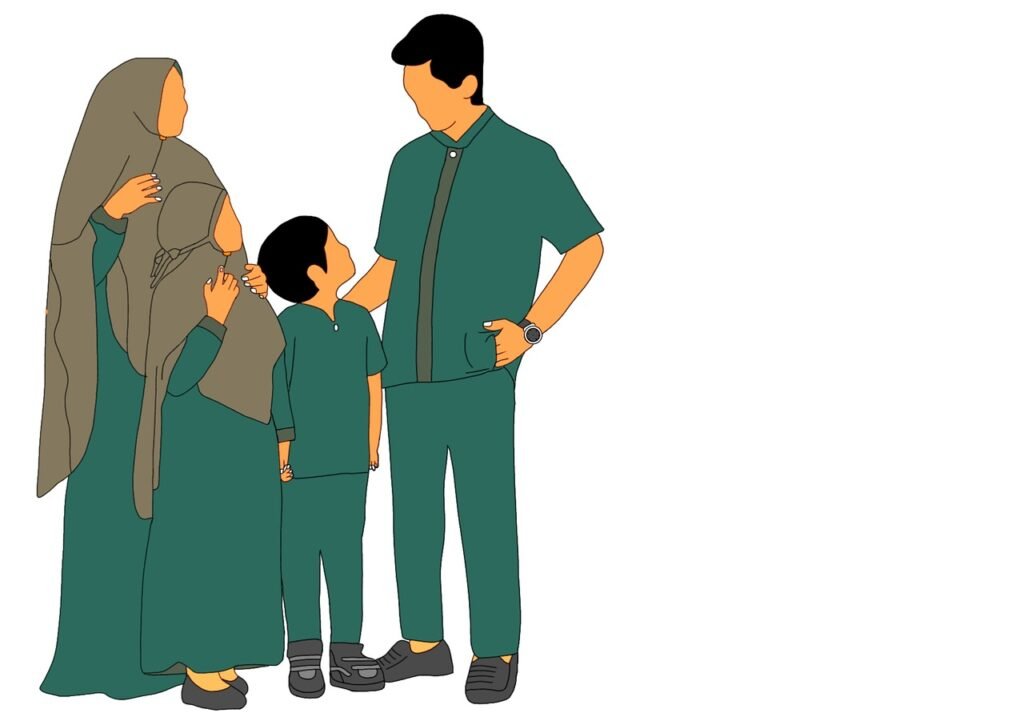
Taking children on Umrah for the first time adds a layer of planning most guides do not cover, because the advice aimed at solo adults or couples does not always translate when you have a tired six year old, a pushchair and three sets of luggage to manage at the same time. None of it is complicated once you have thought it through, but it does reward doing the thinking in advance rather than working it out at the airport at midnight. This guide covers the practical decisions that make the biggest difference: documents, transport, pacing the rituals, and keeping everyone together.
Documents and registration for children before you travel
Every member of your family, including infants, needs their own valid passport and their own visa or registration through the appropriate Nusuk route, there is no shared or family visa that covers children under a parent’s documentation. Requirements can differ slightly depending on the child’s age and your nationality, so confirm exactly what is needed for each family member on nusuk.sa well before you book flights. If any vaccination certificates are required for entry, these typically need to be arranged with enough lead time before travel, so check current requirements for your children’s ages directly on nusuk.sa or haj.gov.sa rather than assuming what applied to an older child still applies.
Our first Umrah checklist is written for a first-time adult pilgrim but the underlying order of operations, visa and registration first, then transport and accommodation, then packing, applies just as much when you are travelling as a family. Build in extra time at each stage, since gathering documents for three or four people takes longer than for one.
It is also worth checking your children’s passport expiry dates well in advance, since children’s passports are often issued with shorter validity periods than adult passports and can be easy to overlook until close to travel.
Booking family transport that actually works for kids
This is where a lot of first-time parents get caught out. Not every taxi or transfer service in Saudi Arabia carries child car seats or booster seats as standard, and turning up with a toddler and no seat arranged is a stressful way to start a trip that is meant to be spiritually calming. If a car seat or booster is something your family needs, ask the transport provider directly, before you travel, whether one will be available and whether you need to request it in advance or bring your own. Do not assume it will simply appear because you mentioned you have children when you booked.
Luggage capacity is the other thing families underestimate. A family of four travelling for Umrah is realistically bringing more bags than the standard saloon car allows for comfortably, especially once you add a pushchair, a car seat, and the extra layers of Ihram clothing and modest wear that everyone needs. When you book, tell the provider your exact party size, ages, and luggage count, and ask for a vehicle sized accordingly rather than hoping it works out. Our guide to booking Umrah transport for parents goes into more detail on what to ask for and how to specify your family’s needs clearly when you book.
Travelling with infants and very young children
If you are travelling with an infant or a child too young to walk far, factor this into both your transport and your ritual planning. Ask your transport provider whether infant seats are available separately from booster seats for older children, since these are not interchangeable, and confirm this at the time of booking rather than assuming a general mention of travelling with kids covers it. For the rituals themselves, a lightweight, sturdy baby carrier is generally more practical than a pushchair inside crowded areas, since pushchairs are difficult to manoeuvre through dense crowds and are not always practical on the marble floors around the Haram.
Pacing Tawaf and Sa’i with young children
Tawaf and Sa’i are physically demanding even for a fit adult, and they are considerably more so for a child, particularly in heat. Rather than treating the rituals as something to push through at adult pace, plan for more breaks, more water stops, and the possibility that you may need to complete them in stages rather than in one continuous effort. Some families find it easier for one parent to complete Tawaf while the other stays with younger children nearby, then swap, rather than attempting the whole family unit moving together through a crowded, fast-moving space at once.

Whatever approach you choose, agree it as a family before you are inside the Mosque, when it is loud, crowded and hard to have a considered conversation. A five-minute plan discussed calmly at the hotel beats an improvised decision made in a crowd.
Managing heat and hydration for children
Saudi Arabia’s heat is a genuine consideration for children, who dehydrate more quickly than adults and are less likely to recognise or communicate early signs of heat exhaustion themselves. Carry water at all times, dress children in loose, breathable, sun-safe clothing, and watch for early tiredness or irritability rather than waiting for a child to say they feel unwell. Scheduling rituals for cooler parts of the day where your itinerary allows, and taking shaded rest breaks proactively rather than reactively, makes a noticeable difference over a multi-day trip.
Keeping the family together during transfers and crowds
Airport arrivals, hotel transfers, and the walk between your accommodation and the Haram are the points where families are most likely to get separated, simply because crowds move unpredictably and children move at a different pace to adults. A few habits reduce the risk considerably. Dress children in clothing that makes them easy to spot in a crowd, agree a simple meeting point in case anyone gets separated, and make sure at least one older child or teenager has a phone number written down on paper as a backup, since phone batteries and signal cannot always be relied on.
For transfers specifically, booking a single vehicle for the whole family rather than splitting across two cars keeps everyone together for the parts of the journey that are otherwise hardest to coordinate, arrivals halls, hotel drop-offs, and the transition between Makkah and Madinah. A pre-booked, named driver who knows your party size and pickup point in advance also removes the guesswork of trying to identify the right vehicle in a busy arrivals area with children in tow.
It also helps to assign clear roles before you travel rather than deciding on the spot: one parent responsible for documents and tickets, one responsible for keeping track of the children directly, and an agreed rule that no family member moves ahead of the group without saying so first. Small as it sounds, having this agreed in advance removes a surprising amount of friction during the actual transfers.
Packing and comfort essentials for children
Beyond the obvious documents, a few items make a noticeable difference to how comfortable children are during the trip: a refillable water bottle each, snacks that travel well in heat, a change of clothes kept accessible rather than buried in checked luggage, and comfortable, well broken-in shoes rather than anything new. Our detailed Umrah packing checklist covers the general list that applies to every pilgrim, and it is worth building a children’s version alongside it that accounts for sun protection, any regular medication, and comfort items that help a child settle in an unfamiliar place.
Rest, routine and managing tired kids
Jet lag and a new environment tend to hit children harder than adults, and a tired, overstimulated child is more likely to struggle with crowds, heat and long periods of standing. Build slack into your itinerary rather than scheduling every day back to back, and treat an early night or a quiet afternoon as a legitimate part of the trip rather than wasted time. If your transport is pre-booked rather than something you have to arrange fresh each time, it is far easier to adjust plans on the day, moving a pickup time earlier or later, without the added stress of negotiating a new fare or finding a new driver at short notice.
Frequently asked questions
Do children need their own Umrah visa?
Yes, every family member needs their own valid passport and appropriate visa or registration, there is no shared family visa. Check the exact requirements for each child’s age on nusuk.sa before booking.
Will a Saudi taxi or transfer service provide a car seat?
Not always as standard. If your family needs a car seat or booster, ask the provider directly when you book whether one will be supplied or whether you should bring your own.
What is the best way to keep young children safe in crowds near the Haram?
Dress children so they are easy to spot, agree a clear meeting point in advance, and consider keeping one parent with younger children while the other completes rituals, then swap.
Should we book one larger vehicle or split across two cars for transfers?
A single, appropriately sized vehicle for the whole family generally works better for transfers, since it keeps everyone together during arrivals and hotel drop-offs, which are the points families are most likely to get separated.
How much should we budget for extra rest days with children?
There is no fixed rule, but building slack into the itinerary rather than scheduling every day fully is worth doing, since children generally need more recovery time from jet lag and heat than adults.
Is Umrah with young children generally considered manageable for first-timers?
Many families do it successfully with planning around documents, transport, pacing and rest. The trip is more manageable when it is planned around the children’s needs rather than an adult itinerary the whole family is expected to keep up with.
Sorting reliable, appropriately sized transport in advance removes one of the biggest sources of stress when travelling with children. You can book your airport and intercity transport with Hajj & Umrah Taxi and specify your family’s exact needs, car seats, luggage and party size, before you travel.