

Reviewed planning guidance. Details can change; use the linked official sources and get a live quote for current pricing and availability.
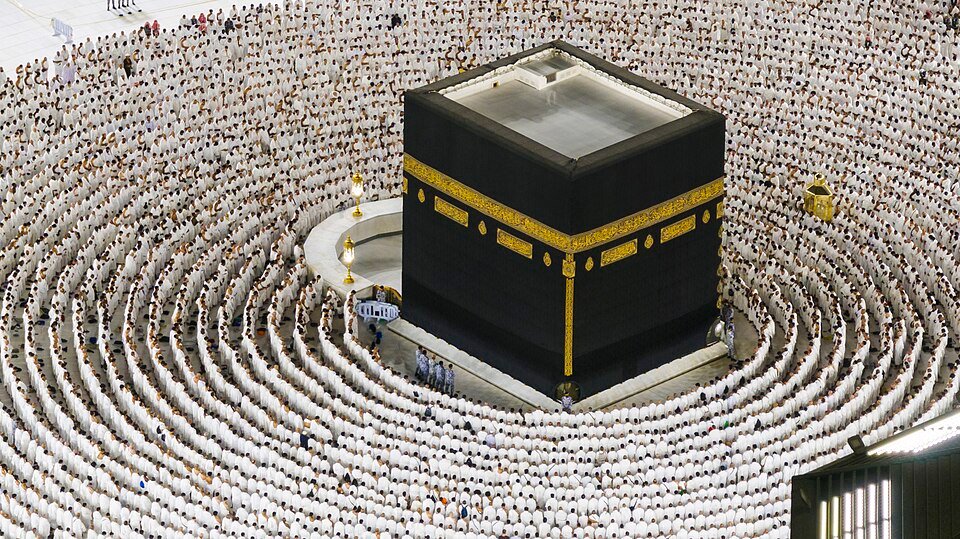
Muharram, the first month of the Islamic calendar and the start of the new Hijri year, is a period of religious significance for Muslims worldwide, and it has a noticeable, if often underappreciated, effect on Umrah transport demand in Makkah and Madinah. This guide looks at why Muharram sees the pattern it does, and what it means if you are planning to travel during this period.
Why Muharram carries particular significance
Muharram marks the beginning of the Hijri year and includes Ashura, the tenth day of the month, which holds deep religious significance across the Muslim world, including as a day of fasting recommended in the Sunnah. For many pilgrims, performing Umrah around this period carries additional spiritual meaning tied to the start of the Islamic new year, which contributes to a genuine, if moderate, rise in demand compared to an average month outside the major peak periods.
It is worth being clear that Muharram’s demand increase is generally more moderate than Ramadan or Hajj season, but it is still a noticeable enough pattern that pilgrims planning around this time should not assume it will be as quiet as a genuinely off-peak month.

How this affects transport specifically
Vehicle availability tightens moderately compared to a quiet off-peak month, though nowhere near as severely as during Ramadan or Hajj, meaning advance booking remains sensible without the extreme urgency of the busiest windows.
Ashura itself, the tenth day of Muharram, tends to see a more concentrated rise in worshippers at both Haramain than the rest of the month, given its specific religious significance, so transport around this particular date deserves slightly more planning attention than the rest of Muharram.
Airport transfer times may extend modestly around the very start of Muharram itself, as pilgrims specifically travelling to mark the new Hijri year arrive in a shorter window, though this is a gentler effect than the airport congestion seen during Ramadan.
How Muharram compares to other calendar-linked demand periods
If you are weighing up when to travel across the Islamic calendar year, Muharram sits in a middle tier of demand, busier than a genuinely quiet month such as parts of Shawwal or Safar, but considerably calmer than Ramadan or the weeks around Hajj. This makes it a reasonable option for pilgrims who want some of the spiritual significance of travelling around a notable Islamic date without contending with the most extreme crowding of the calendar year.

Practical tips for travelling during Muharram
Book transport a few weeks ahead rather than leaving it to the last minute, even though the pressure is more moderate than peak season, since availability still tightens compared to a fully quiet month.
If you specifically want to be in Makkah or Madinah for Ashura, plan around that date with a little extra buffer, given the moderate concentration of worshippers this particular day tends to draw.
Check the confirmed Gregorian dates for Muharram each year, since like every Hijri month, it shifts earlier by roughly ten to eleven days annually against the Gregorian calendar, a pattern covered in more detail elsewhere on this site.
Why some pilgrims specifically choose Muharram over other calendar windows
For pilgrims weighing up when in the Hijri year to travel, Muharram offers a specific combination that appeals to some travellers: genuine religious and calendrical significance tied to the start of the new Hijri year, without the extreme crowding and cost pressure of Ramadan or Hajj season. This makes it a reasonable middle-ground choice for pilgrims who want their trip to carry some connection to a significant point in the Islamic calendar, but who also value a more manageable, comfortable travel experience than the busiest windows allow.
Fasting considerations during Muharram
Beyond Ashura itself, some pilgrims choose to observe additional voluntary fasting during Muharram more broadly, drawing on its status as one of the sacred months. If this applies to your own plans, factor hydration and rest into your transport and daily schedule in the same way you would for any fasting period, even though the demand and crowding effects during Muharram are considerably more moderate than during Ramadan.
What transport providers typically see during Muharram
Established transport providers who work across the full Hijri calendar year generally describe Muharram as a period of gentle, predictable uplift rather than a sudden spike, in contrast to the sharper surges seen around Ramadan or the weeks before Hajj. This steadier pattern means less of the acute booking pressure and last-minute unavailability that characterises the busiest windows, giving pilgrims a bit more room to adjust plans if needed without the same risk of being unable to secure transport at all.
Choosing Muharram alongside other travel priorities
Some pilgrims choose to combine a Muharram trip with other practical considerations, such as UK school holiday timing or annual leave availability, since its moderate demand profile makes it more flexible to slot alongside other calendar constraints than the more rigid planning Ramadan or Hajj season typically requires. If your own travel window is shaped by factors beyond the Islamic calendar alone, checking whether Muharram happens to align with your available dates in a given year is worth doing before settling on a different period entirely.
Reflecting on the new year during your trip
Beyond the practical transport considerations, many pilgrims find travelling around the start of the Hijri year a meaningful opportunity for personal reflection, marking the new year with worship and renewed intention in a way that a purely secular new year does not offer. Whatever your personal reasons for choosing this period, arriving with your transport and logistics already confirmed means more of your attention and energy can go toward that reflection, rather than being absorbed by last-minute practical arrangements.
Frequently asked questions
Is Muharram as busy as Ramadan for Umrah travel?
No, Muharram’s demand increase is considerably more moderate than Ramadan or Hajj season, though it is still noticeably busier than a genuinely quiet off-peak month.
Does Ashura specifically affect transport demand?
Yes, the tenth day of Muharram, Ashura, tends to see a more concentrated rise in worshippers at both Haramain than the rest of the month, given its particular religious significance.
How far in advance should I book transport for a Muharram trip?
A few weeks ahead is a sensible approach, reflecting the moderate rise in demand, though this is less urgent than the advance booking needed for Ramadan or Hajj season.
Does Muharram fall on the same Gregorian dates every year?
No, like every Hijri month, Muharram shifts earlier by roughly ten to eleven days each Gregorian year, so check the confirmed dates for your specific travel year rather than relying on a previous year’s dates.
Checked sources
Official information for your planning
Calendar dates and seasonal conditions can change annually. These official sources are provided so you can check the current position for your journey. Checked 25 July 2026.
If you are planning an Umrah trip around Muharram or Ashura, book your transport a few weeks ahead to secure the best availability. Hajj & Umrah Taxi is happy to help plan your journey, so get in touch through our booking form.