Booking Umrah Transport for a Surprise or Last-Minute Family Trip
Reviewed planning guidance. This article is general planning guidance for pilgrims arranging ground transport for Umrah or Hajj. Always check your airline’s current baggage rules and the latest Nusuk guidance before you travel.
Some Umrah trips are planned a year in advance. Others come together in a fortnight, because a flight deal appeared, a grandparent’s health prompted the family to go while they still can, or someone simply decided the timing was right and booked before doubt crept in. Whatever the reason, a fast-moving family Umrah trip brings a specific kind of pressure: you have days, not months, to get visas, flights and transport all lined up for several people at once, some of whom may never have travelled to Saudi Arabia before.
Transport is usually the last thing families think about when a trip comes together quickly, and the first thing that goes wrong if it is left to sort itself out on arrival. This guide covers what is realistic to arrange at short notice, how to think about vehicle choice for a family group, and what to check before you fly so a surprise trip does not turn into a stressful one.
Why a last-minute family trip needs a different approach
A solo pilgrim booking transport with two weeks’ notice has a relatively simple task: one person, one pickup, one drop-off. A family doing the same thing at the same speed is coordinating several moving parts simultaneously, often across different ages, fitness levels and levels of travel experience within the same group. A grandparent who cannot manage a long walk through an airport terminal, a toddler who needs a car seat, teenagers with their own luggage, and parents trying to hold the whole itinerary together all change what “just book a taxi” actually requires.
There is also the matter of Ihram to think about, which a solo pilgrim manages only for themselves but which changes the practical shape of a family arrival. Male relatives may already be in Ihram from the miqat, which means the driver needs to know in advance rather than working it out at the kerb, and a pickup point that involves a long walk in the heat is a different proposition for someone in Ihram than for someone in ordinary clothes. None of this is complicated to plan for, but it has to actually be mentioned rather than assumed, and a rushed booking is exactly when small details like this get missed.
The compressed timeline also means less room to fix mistakes. If you book an individual transfer six weeks out and realise the vehicle is too small, you have time to change it. If you book four days before departure, an error in the booking is far more likely to surface only when you land, tired, jet-lagged and trying to work out how five people and their bags are meant to fit into a saloon car.
What you can realistically arrange in a hurry
Ground transport is actually one of the more forgiving parts of a rushed Umrah trip to sort out, compared with visas or flights. A reputable operator can usually confirm airport pickups and intercity transfers within a day or two of asking, provided you give accurate details. What matters is giving the right information the first time rather than trying to save time by leaving gaps:
Exact flight numbers and arrival times for every leg, including any connecting flights
The total number of travellers, broken down by adults, children and any infants needing car seats
Roughly how much luggage the group is carrying, including any oversized bags
Whether anyone in the group has mobility needs that affect vehicle choice or pickup point
Your Makkah and Madinah accommodation addresses, even if only provisional at the time of booking
Giving all of this in one message, rather than trickling it out over several exchanges, is the single biggest thing that speeds up a last-minute booking. Operators can move quickly when the brief is complete; they cannot move quickly when they are chasing details back and forth with a family that is also juggling visa paperwork and packing.
Matching the vehicle to who is actually travelling
Family groups vary enormously, and the right vehicle for one family is the wrong one for another. A young couple with two small children has different needs from three generations travelling together, and both are different again from a group of cousins sharing a trip. Rather than defaulting to whatever is available, think through the actual composition of your group:
How many people, and how many separate bags or suitcases, need to fit at once
Whether elderly relatives need a vehicle that is easier to get in and out of, or extra time built into pickups
Whether young children need car seats, and whether the operator can provide them or whether you are bringing your own
Whether the group wants to travel together in one vehicle or is comfortable splitting across two if numbers require it
Booking late does not mean you have to accept whatever is left. It does mean being specific and direct about numbers so the operator can offer the right size of vehicle rather than you discovering on arrival that everyone and everything does not fit. It is also worth thinking about what the family will actually be carrying beyond suitcases, since Umrah trips often involve extra items that a generic transport booking would not anticipate, such as a pushchair for a young child, a wheelchair or walking frame for an older relative, or prayer mats and Zamzam water being carried back from Makkah on a later leg of the trip. Mentioning these upfront means the vehicle sent is actually large enough once every bag, seat and piece of equipment is accounted for, not just the headline number of passengers.
Getting your documents in order before transport can be confirmed
Transport bookings for Umrah sit downstream of your visa and Nusuk arrangements, so a rushed trip needs those sorted first, or at least well underway, before ground transport details can be finalised with confidence. The Nusuk platform is the official channel for Umrah visa and permit arrangements, and it is worth checking your family’s status there directly rather than relying on secondhand information. You can review current requirements on the official Nusuk Umrah platform before confirming flight and transport dates, since visa processing timelines can affect exactly when your group is able to travel.
If anyone in the family is a UK national, it is also worth checking the latest gov.uk foreign travel advice for Saudi Arabia shortly before departure, since it is updated as circumstances change and covers practical entry considerations alongside safety guidance. US nationals travelling as part of the family group can find equivalent pilgrim-specific guidance from the US Embassy’s Hajj and Umrah pilgrim guidance. None of this replaces professional visa advice, but checking the official sources yourself before you commit to flight dates avoids the situation where transport is booked around a departure date that documentation cannot actually support.
Handling arrival when nobody in the family has done this before
If this is a first trip for some or all of the family, arrival at Jeddah or Madinah airport can feel overwhelming even without the added pressure of a rushed booking. A confirmed, pre-arranged pickup removes one significant variable: instead of a tired family working out where to find transport after a long flight, a driver is already expecting them, with the flight number tracked and the right vehicle waiting.
This matters more for families than for solo travellers, because the group has to stay together through arrivals, and any confusion about where to meet the driver gets multiplied by however many people are trying to follow instructions at once. Sharing the pickup point and driver contact details with every adult in the group, not just whoever made the booking, means the family is not relying on one phone or one person’s memory once you land.
Keeping a fast booking simple rather than cheap
When time is short, the temptation is to book whatever transport option appears first and move on to the next task. That is understandable, but it is worth spending the extra few minutes to confirm a fixed price for the full journey before you accept a booking, rather than discovering additional charges once you are already in the vehicle. A fixed-price arrangement, confirmed in writing before travel, removes one more thing the family has to think about during what is already a busy trip.
It is also worth asking directly whether the same vehicle and driver will handle both the airport transfer and any Makkah to Madinah travel during the trip, or whether these are separate bookings. Families arranging things quickly sometimes assume continuity that was never actually agreed, which is easily avoided by asking the question upfront rather than assuming.
Frequently asked questions
Q: How far in advance can we still book Umrah transport for a family trip? A: Reputable operators can often confirm family transport within a few days of asking, provided flight details, passenger numbers and any mobility or car seat needs are given clearly in the first message.
Q: Do we need separate vehicles for a large family group? A: It depends on the number of people and luggage. Ask the operator to size the vehicle based on your exact headcount and bags rather than assuming one vehicle will automatically fit everyone.
Q: Can transport be booked before our Umrah visa is fully confirmed? A: You can enquire and get provisional pricing, but final booking dates should wait until your visa and travel dates are confirmed through the Nusuk platform, since transport is arranged around your actual arrival date.
Q: What if an elderly relative struggles with walking through the airport? A: Tell the operator in advance so the driver can plan extra time and, where possible, meet closer to the arrivals area rather than a standard pickup point further away.
Q: Should we book Makkah to Madinah transport at the same time as the airport transfer? A: It is worth asking, since booking both together at the outset avoids arranging intercity travel separately later in the trip once everyone is already busy with worship and visits.
Q: Is it more expensive to book transport last minute? A: Pricing depends on the operator and the specific route, but a fixed-price quote confirmed before travel protects the family from surprise costs regardless of how close to departure the booking is made.
If you would like help matching your plans to the right vehicle, Hajj & Umrah Taxi can put together a fixed-price quote based on your exact travel details. Get in touch before you fly and we will make sure your transport is arranged around how you are actually travelling, not the other way round.
Umrah Transport for Students and Gap-Year Pilgrims on a Budget
Reviewed planning guidance. This article is general planning guidance for pilgrims arranging ground transport for Umrah or Hajj. Always check your airline’s current baggage rules and the latest Nusuk guidance before you travel.
University holidays and gap years are, for a lot of young pilgrims, the first real window of time and independence to make Umrah happen. The challenge is usually money rather than motivation: student loans, part-time wages and gap-year savings do not stretch as far as a working adult’s budget, and transport is one of the few costs you can genuinely plan down without compromising the trip itself. This guide sets out how to keep ground transport affordable during Umrah while still travelling safely and without the last-minute stress that tends to hit budget trips hardest.
Why a student or gap-year trip needs its own transport plan
A typical Umrah transport guide is written for someone travelling with a partner, a family, or a small group who has already worked out roughly what they want to spend. Students and gap-year travellers are often solo or in loose friend groups formed only weeks before departure, working with tighter dates around term time, and less able to absorb a surprise cost if something goes wrong. That combination means the usual advice, book everything early and pick whatever feels comfortable, needs adjusting. The priority becomes matching transport spend to a fixed, non-negotiable budget while still keeping enough of a safety margin that a delayed flight or a late-night arrival does not turn into a crisis.
Term-time constraints often mean travelling in short, fixed windows rather than flexible dates.
Group composition can change right up until departure, which affects vehicle size and cost-splitting.
First-time international travel for many in this age group means less built-in tolerance for chaotic arrivals.
Budgets are usually fixed in advance, so transport needs to be priced and locked in rather than decided on arrival.
Working out a realistic transport budget before you fly
Before comparing any providers, it helps to separate your ground transport into three legs: airport to Makkah, Makkah to Madinah (or vice versa), and the departure transfer back to the airport. Pricing each leg separately, rather than guessing at one total figure, makes it far easier to see where a shared or group option actually saves money. As a general reference point, transfers from Jeddah Airport to Makkah with Hajj & Umrah Taxi start from 220 SAR, Makkah to Madinah journeys start from 550 SAR, and Madinah Airport transfers start from 100 SAR, all for the smallest available vehicle. Splitting a single vehicle between three or four students on the same flight brings the per-person cost down substantially compared with everyone booking separately.
Build a small buffer into your budget for the unexpected: a delayed flight that pushes your pickup into a higher-demand time slot, or an extra short journey to a hotel that changed at the last minute. A trip planned to the exact riyal with no slack is the one most likely to end in an argument over a taxi fare at 2am.
Group travel: the single biggest lever for cost savings
If you are travelling with university friends, a student Islamic society group, or people you have connected with through a gap-year programme, coordinating transport as a group is usually the most effective way to cut costs without cutting corners. A single larger vehicle booked once and split four or five ways is almost always cheaper per person than several smaller bookings, and it also means one shared pickup time rather than several people trying to coordinate separate arrivals.
Agree on a single point of contact for the booking so pricing, timing and luggage details are not repeated across multiple messages.
Confirm everyone’s flight numbers and terminals in advance, since a group booking depends on people actually landing together.
Decide in advance how the cost will be split and collect it before travel, not after, to avoid awkward conversations abroad.
Keep contact details for the driver or provider with more than one person in the group, not just the organiser.
Group travel does have a limit. If your group is spread across several flights landing hours apart, forcing everyone onto one booking usually causes more stress than it saves in money. In that case it is often better to book two smaller vehicles timed around the actual arrivals.
Shared shuttles, group taxis and private transfers compared
Budget travellers are sometimes tempted by the cheapest possible option without weighing what it actually involves. It is worth understanding the real trade-offs before booking.
Shared shuttles are usually the lowest individual price but involve waiting for other passengers, unpredictable timing, and less certainty about your actual arrival time at your hotel. For a group already sharing a single vehicle, this option often adds little extra saving over a private group booking, since you are already splitting the cost.
Group taxis or private transfers booked as a group give you a fixed departure time, a known price agreed before travel, and direct communication with the driver. For most student groups, this is the better balance of cost and reliability, since the per-person price ends up close to a shared shuttle once split.
Solo private transfers are the most expensive per person but make sense if you are travelling alone, arriving at an unusual hour, or if your group’s flights do not line up closely enough to share.
Fixed-price bookings are worth prioritising over metered options regardless of which category you choose. Knowing the exact cost before you land removes one of the more stressful unknowns of a first-time trip, and it protects a tight budget from being renegotiated at the kerb after a long flight.
Safety and reliability still come first on a budget
Keeping costs down should never mean cutting corners on the basics that keep a trip safe, particularly for young or first-time travellers who may not yet know what a normal, well-run pickup looks like. Book through a provider that confirms your driver and vehicle details in advance, keep a copy of your booking confirmation and driver contact number accessible on your phone, and agree your pickup point and time clearly before you land, especially if you are arriving into a busy or unfamiliar airport. Check the latest pilgrim guidance on umrah.nusuk.sa before you travel, since requirements around permits, timings and platform bookings can change between seasons. It is also worth reviewing the UK government’s current travel advice for Saudi Arabia before departure, particularly if this is your first trip abroad without family alongside you.
Timing your trip and other practical ways to trim costs
When you travel affects both price and how easy transport is to arrange. Peak periods such as Ramadan and the weeks around Hajj see much higher demand for every kind of transport, which pushes prices up and makes last-minute or unbooked options far less reliable. If your university holidays or gap-year schedule allow any flexibility, travelling just outside the busiest windows tends to give students more room to negotiate group bookings and better availability for shared vehicles. Night arrivals into Jeddah are common on budget and connecting flights, so it is worth confirming in advance that whichever transport option you choose actually operates around the clock rather than only during standard daytime hours. Alongside good timing, a few other habits keep costs down without cutting corners on safety or comfort.
Book your transport at the same time as your flights, rather than leaving it until closer to departure, when fixed-price options are more likely to be available at standard rates.
Pack light and confirm luggage allowances with your group in advance, since some smaller shared vehicles have limited boot space and extra bags can mean an upgraded, pricier vehicle.
Combine your Makkah to Madinah leg with your group rather than booking it separately once you arrive, when prices and availability are less predictable.
Keep a small cash reserve in Saudi riyal for any incidental costs, so an unexpected short journey does not derail the rest of your budget.
Frequently asked questions
Q: Is it cheaper to book Umrah transport as a group rather than individually? A: Generally yes. Splitting one larger vehicle between several travellers on the same flight almost always brings the per-person cost down compared with everyone booking separately, provided your flight times are close enough to share a single pickup.
Q: What if our group’s flights land at different times? A: If arrivals are more than an hour or two apart, it is usually simpler and less stressful to book two smaller transfers timed around the actual flights rather than forcing everyone onto one booking and having some of the group wait.
Q: Are shared shuttles a good option for a tight student budget? A: They can be, but timing is less predictable since you may wait for other passengers. If you are already travelling as a group, a private group booking split between you is often similarly priced with a fixed, known departure time.
Q: Should we book transport before or after arriving in Saudi Arabia? A: Booking in advance is strongly recommended, particularly for a first trip. It gives you a confirmed price and driver details before you fly, rather than negotiating on arrival, which is more stressful and often more expensive during busy periods.
Q: Does travelling outside Ramadan or Hajj season actually save money on transport? A: Yes, demand for every kind of transport drops outside the busiest pilgrimage periods, which generally means better availability and more competitive pricing on both shared and group bookings.
Q: What should we check before booking with any transport provider on a budget trip? A: Confirm the price is fixed rather than metered, that your driver and vehicle will be confirmed ahead of arrival, and that you have a direct contact number saved before you land, especially for night arrivals.
If you would like help matching your plans to the right vehicle, Hajj & Umrah Taxi can put together a fixed-price quote based on your exact travel details. Get in touch before you fly and we will make sure your transport is arranged around how you are actually travelling, not the other way round.
Combining Umrah With a Flight Stopover: Transport Planning for Multi-Leg Journeys
Reviewed planning guidance. This article is general planning guidance for pilgrims arranging ground transport for Umrah or Hajj. Always check your airline’s current baggage rules and the latest Nusuk guidance before you travel.
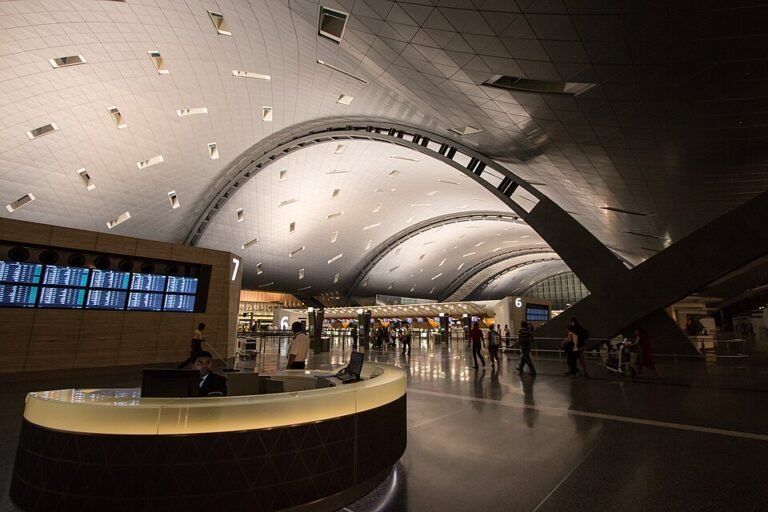
Many UK, EU and US pilgrims do not fly to Jeddah or Madinah on a single direct sector. A stopover in a hub city such as Istanbul, Dubai, Doha or Cairo is often the cheapest or only realistic way to reach Saudi Arabia, and some pilgrims deliberately build in a longer stopover to combine Umrah with a short visit elsewhere on the same trip. Whatever the reason for the stopover, it changes how you should think about ground transport, because you are no longer planning one arrival and one departure, you are planning a chain of connections where a delay in one leg can ripple into the next. A missed connection in a hub city does not just cost you time in that city, it can push your entire Saudi arrival back by hours, which is exactly the kind of change your transport booking needs to be able to absorb. This article sets out how to plan transport around a multi-leg Umrah journey so that each stage joins up cleanly, from the outbound flight through the stopover to your eventual pickup in Jeddah or Madinah.
Why a stopover changes your transport planning
On a direct flight, transport planning is straightforward: one arrival time, one pickup, one journey to Makkah or Madinah. Add a stopover and you introduce a second flight with its own check-in window, its own risk of delay, and often a different terminal or even a different airport for the connection. If your stopover is long enough to leave the airport, you also need transport at the stopover city itself, and enough buffer to get back through security and boarding in good time. None of this is unusual or difficult to manage, but it does mean your Umrah ground transport booking needs to be built around your actual arrival time in Saudi Arabia, not around when you originally left home. Pilgrims who treat the whole journey as a single block, rather than as separate legs that each carry their own risk, are the ones most likely to be caught out by a tight connection or a late-running first flight.
A short, airside-only stopover mainly affects timing and buffer, not transport bookings.
A longer stopover where you leave the airport adds a separate local transport need in that city.
Any stopover adds a second point where delays can occur, which should shape how firm or flexible your Saudi transport booking is.
Mapping the whole journey before you book anything
Before booking any ground transport, write out the full journey leg by leg: outbound flight to the stopover city, connection time, onward flight to Jeddah or Madinah, and the same in reverse for the return. Note the terminals involved at each airport, since a change of terminal for your connecting flight can matter for how much time you actually have, particularly at large hub airports where a terminal transfer alone can take twenty minutes or more. Only once this full sequence is clear should you book the Saudi-side transport, because the timing of that booking depends entirely on your confirmed onward arrival time, not on your original departure from home. If your itinerary has any leg still unconfirmed, particularly a return connection, it is worth waiting until that is locked in before fixing a pickup time on the Saudi end. Writing the itinerary out in one place, rather than keeping it split across several booking confirmations, also makes it far easier to spot a connection that looks tight before you travel rather than after.
Timing ground transport around your connection
The single most useful thing you can do when combining Umrah with a stopover is to build in realistic buffer at both ends. If your connecting flight into Jeddah or Madinah could plausibly be delayed by an hour or two, tell your transport provider that when you book, and choose a pickup arrangement that can flex around actual landing time rather than a fixed clock time. This matters more on multi-leg journeys than on direct flights, because a missed connection at the stopover city can push your final arrival back by many hours, sometimes to the next day. A transport booking tied to flight number rather than a fixed time avoids you paying for a pickup that never happens, or worse, arriving to find no one there.
The same logic applies on departure. If your return journey involves a tight connection at the stopover airport, leave a wider margin than usual for the transport leg from your Makkah or Madinah hotel to Jeddah or Madinah airport, since a delay on that first leg has knock-on effects for every flight after it. It is worth asking your transport provider directly how they handle a flight that lands late, rather than assuming a driver will simply wait, so you know exactly what to expect before you are relying on it mid-journey.
Transport at the stopover city itself
If your stopover is long enough to leave the airport, whether for a night in a hotel or a few hours in the city, you need a separate transport plan for that leg entirely. This is not something Hajj & Umrah Taxi can arrange, since our service covers Saudi Arabia, but it is worth thinking through as part of the same planning exercise: how you will get from the stopover airport to your hotel or the city, and how much time you need to return and clear security again. Pilgrims sometimes underestimate how much of a long layover gets used up by immigration queues, transport to and from a hotel, and re-entering the airport, leaving less genuine rest time than expected. Building a conservative estimate here protects the timing of your Saudi arrival too, since a late departure from the stopover city has exactly the same knock-on effect as any other delayed connection.
Luggage, Ihram and booking your Saudi transport separately
Multi-leg journeys often mean checking bags through different airline alliances or codeshare partners, which can affect baggage allowances and where your bags are checked to. If you plan to change into Ihram before or during a stopover, think through where your regular clothes and any Ihram-related items will be during each leg, since you may not have access to checked luggage between connections. Some pilgrims prefer to keep Ihram items in hand luggage precisely because a multi-leg itinerary increases the number of points where checked baggage could be delayed or misrouted. Whatever you decide, confirm your airline’s current baggage rules for the specific combination of airlines on your itinerary, since allowances can differ between the outbound carrier and any connecting carrier.
It is worth treating the Saudi ground transport leg of a multi-leg journey as its own booking, separate from flights and any stopover arrangements, rather than trying to bundle everything through one agent. This gives you more control over the details that matter most on arrival in Saudi Arabia, such as vehicle size for your group and luggage, and a pickup that can be adjusted if your connecting flight changes. When you book, give the transport provider your final inbound flight number, the one that actually lands in Jeddah or Madinah, along with a note that the journey started elsewhere and included a connection, so they understand why a delay on that sector is a real possibility rather than a remote one. Check the latest guidance on entry requirements and pilgrim travel on nusuk.sa before you finalise dates, since visa and permit timing should also be confirmed against your actual arrival date once the full itinerary is set.
Before you fly, it is worth running through a short checklist covering both the travel and the transport side of a multi-leg trip:
Confirm every leg of the itinerary is ticketed and connections are realistic, not theoretical minimum connection times.
Check your airline’s current baggage allowance for the specific combination of carriers on your booking.
Book Saudi ground transport against your final confirmed arrival flight number, not your original departure date.
Keep a note of your transport provider’s contact details somewhere accessible mid-journey, in case your connection is delayed and you need to update them.
Frequently asked questions
Q: Should I book my Saudi airport transfer before I know my final connecting flight? A: It is better to wait until your connecting flight is confirmed, or at least book with a provider who can adjust the pickup once your final flight number is known, since a stopover itinerary is more likely to change than a direct one.
Q: Does a stopover affect my Umrah visa or Nusuk booking? A: Your visa and Nusuk arrangements are generally tied to your entry into Saudi Arabia rather than earlier legs of the journey, but you should confirm current requirements on the official Nusuk platform once your full itinerary and dates are fixed.
Q: What happens if my connecting flight is delayed and I miss my booked pickup time? A: A transport provider working from your flight number rather than a fixed clock time should track the delay and adjust the pickup accordingly, which is why it is worth confirming this arrangement when you book rather than assuming it.
Q: Is it better to fly direct to Jeddah rather than route through a stopover city? A: A direct flight removes one layer of connection risk and simplifies transport planning, but stopovers are often significantly cheaper or the only available routing, so the choice usually comes down to cost and schedule rather than transport considerations alone.
Q: Can I arrange my stopover city transport and my Saudi transport with the same provider? A: Hajj & Umrah Taxi arranges ground transport within Saudi Arabia only, so you will need a separate local arrangement for any stopover city, planned with the same attention to timing and buffer as the Saudi leg.
Q: How much buffer time should I leave for a connection when travelling for Umrah? A: There is no single figure that suits every airport and airline combination, so check the minimum connection time published by your airline or booking agent and treat it as a floor, not a target, building in extra time wherever your itinerary allows.
If you would like help matching your plans to the right vehicle, Hajj & Umrah Taxi can put together a fixed-price quote based on your exact travel details. Get in touch before you fly and we will make sure your transport is arranged around how you are actually travelling, not the other way round.
What “meet and greet” actually means when booking airport transport
“Meet and greet” is one of those phrases that gets used often in airport transport listings without always being explained clearly. If you are booking Umrah airport transport and see this term, it is worth understanding exactly what it means in practice, since it directly affects how easy your arrival will feel after a long flight.
What meet and greet actually means
A meet and greet service means your driver, or a representative of your transport provider, waits for you inside the airport terminal itself, typically near the arrivals or baggage claim area, holding a sign with your name so you can find them easily after collecting your luggage. This is different from simply being told a pickup point outside the terminal, or being given a phone number to call once you land, both of which require more effort and confidence from you at exactly the moment you are most tired and disoriented after a long journey.
For Umrah pilgrims arriving after a long flight, often for the first time in Saudi Arabia, and sometimes travelling with elderly relatives or young children, this distinction matters a great deal. Knowing exactly where to look and who to look for removes one of the more stressful parts of arrival.
What a good meet and greet service should actually include
A named driver or representative with a clearly visible sign showing your name or booking reference, waiting inside the terminal rather than only outside.
Flight tracking, so your driver knows if your flight is delayed and adjusts their arrival accordingly, rather than you needing to notify them yourself.
A reasonable, clearly stated waiting time included in your booking, covering the time it typically takes to clear immigration and collect luggage after landing.
A direct contact number you can call or message if you cannot locate your driver, or if anything about your arrival changes.
Questions to ask before you book
Where exactly will my driver be waiting?
Ask for a specific location, such as a particular exit or meeting point, rather than a vague description. Airports can be large and confusing after a long flight, and a precise answer here tells you a lot about how organised the provider is.
What happens if my flight is delayed?
A genuine meet and greet service tracks your flight and adjusts automatically. If a provider cannot answer this clearly, or suggests you would need to call them yourself the moment you land to explain a delay, that is a sign their service may be less reliable than advertised.
Is the waiting time and any additional charge for delays made clear upfront?
Reasonable delays, particularly the kind caused by immigration queues rather than your own choices, should be covered without extra charge. Get clarity on this before you book, not after an unexpected fee appears.
Why this matters more for first time pilgrims
If this is your first time arriving in Saudi Arabia, everything about the airport, the signage, the layout, the language, will be unfamiliar, on top of the tiredness of a long flight. A genuine meet and greet service removes a significant amount of that uncertainty at exactly the moment you need it most. This is one of the areas where paying a little more for a properly organised service, rather than the cheapest option available, tends to be worth it.
Meet and greet versus a simple pickup point
Some cheaper transport options offer only a pickup point outside the terminal, sometimes in a car park or designated waiting area some distance from arrivals. This can work perfectly well for confident, experienced travellers, but it requires you to navigate to that point yourself, potentially with luggage, in an unfamiliar airport, possibly at night after a long flight. If you value a smoother start to your trip, particularly with family members who may find this more difficult, a genuine inside terminal meet and greet service is worth the difference.
A short checklist for your booking
Confirm exactly where your driver will be waiting, inside or outside the terminal.
Confirm flight tracking is included, so delays are handled automatically.
Confirm what waiting time is included before any additional charge applies.
Save your driver’s contact details and your booking reference somewhere accessible on your phone before you fly.
Understanding exactly what meet and greet means, and confirming the details before you travel, turns a potentially confusing first hour in Saudi Arabia into a calm, well organised start to your Umrah trip.
How meet and greet works for departures too
The same principle can apply in reverse for your departure. Some providers offer a meet and greet style service at your hotel or accommodation, where your driver confirms pickup details clearly in advance and stays in contact as your departure approaches, rather than simply expecting you outside at an agreed time with no further communication. If this matters to you, particularly for a night departure or an early morning flight, ask your provider whether the same standard of service applies to your return journey as to your arrival.
What to do if you cannot find your driver
Even with a well organised meet and greet service, large, busy airports can occasionally make it hard to spot a driver immediately. If this happens, do not panic. Move to a clear, visible spot near where you expect them, call the contact number provided in your booking, and wait rather than wandering further into the terminal, which can make it harder for your driver to find you. A reliable provider will have a clear process for exactly this situation and will not leave you waiting without contact.
Ultimately, the term itself matters less than the substance behind it. Some providers use different wording, such as “arrival assistance” or simply “airport pickup”, to describe a service that functions in exactly the same way as a meet and greet. Rather than searching for the exact phrase, focus your questions on the practical details described above, where your driver waits, how they identify themselves, and how delays are handled, since these are what actually determine how smooth your arrival feels, regardless of what the service happens to be called in your booking confirmation.
Frequently asked questions
Does meet and greet cost extra compared to a standard transfer?
This varies by provider. Some include it as standard, particularly for pilgrim focused services, while others charge a modest additional fee. Ask specifically when you book so there are no surprises.
Is meet and greet available at both Jeddah and Madinah airports?
Reputable providers experienced with pilgrim transport typically offer this service at both airports, but confirm directly with your specific provider rather than assuming it applies equally everywhere.
What details does my provider need from me to offer a proper meet and greet service?
At minimum, your full name, flight number, and arrival date and time. Providing these accurately, and updating them promptly if anything changes, is essential to the service working as intended.
Is meet and greet worth it for an experienced traveller who has visited Saudi Arabia many times before?
It remains a convenience even for experienced travellers, though the value is highest for first time visitors, those travelling with family, or anyone arriving at night or after a particularly long journey.
GOV.UK, Saudi Arabia travel advice, pilgrimage section
Nusuk Umrah platform, umrah.nusuk.sa
Booking travel insurance alongside your Umrah transport
Travel insurance and transport booking might seem like two separate items on your Umrah checklist, but they are more closely connected than many pilgrims realise. Getting the order and the detail right, insurance that actually matches your transport plans, and a transport booking that accounts for what your insurance will and will not cover, saves real difficulty if something goes wrong.
Why travel insurance matters for Umrah specifically
GOV.UK travel advice is consistent and clear on this point for travel generally: get appropriate travel insurance that covers your itinerary, planned activities and expenses in an emergency, before you travel. For Umrah, this takes on particular importance because of the physical demands of the trip, the value of any pre paid, non refundable transport and accommodation bookings, and the practical reality that healthcare or emergency travel costs in Saudi Arabia, as anywhere, can be significant without cover in place.
Do not assume a standard travel insurance policy automatically covers Umrah travel in full. Check specifically that your policy covers travel to Saudi Arabia, covers the specific activities and locations involved in performing Umrah, and does not exclude pre existing conditions that matter to you or travelling companions, particularly older relatives.
How insurance and transport booking connect
Cancellation cover should match your transport cancellation policy
If you have paid in advance for Umrah transport, whether airport transfers, intercity travel, or a full package, check what your transport provider’s own cancellation policy allows, and make sure your travel insurance’s cancellation cover complements it rather than assuming it automatically fills any gap. If your provider offers no refund within a certain window of your trip, your insurance policy’s cancellation cover is what actually protects that cost if you need to cancel for a covered reason.
Delay cover matters more than you might expect
Flight delays can knock on to pre booked ground transport, particularly tight intercity connections. Check whether your policy includes delay cover, and understand what evidence you would need to provide, such as your airline’s delay confirmation, if you needed to claim for a missed pre paid transfer as a result.
Medical cover and transport during an emergency
If you or someone travelling with you needed medical attention during your trip, your insurance should cover reasonable transport costs associated with that emergency, separate from your planned Umrah transport bookings. Confirm this is included, particularly if you are travelling with elderly relatives or anyone with a health condition that could realistically need attention during the trip.
Practical steps to take before you book
Arrange your travel insurance before, or at the same time as, booking your transport and accommodation, rather than leaving it until closer to your departure date.
Read the policy summary specifically for Saudi Arabia and Umrah travel, not just the headline cover amount.
Keep a copy of your policy document and the insurer’s emergency contact number accessible on your phone and on paper while travelling.
Check whether your policy requires you to notify them before certain claims, such as a missed connection affecting a pre booked transfer, and understand that process in advance.
What to check with your transport provider
Ask your transport provider directly what their own cancellation and delay policy is, since this is what your insurance sits alongside, not instead of. A reputable, established provider will be able to explain this clearly, and having it in writing means you know exactly what your insurance actually needs to cover versus what the provider already handles.
A note on group and family bookings
If you are travelling as a family or group, check whether your insurance policy needs to name each traveller individually, and whether cover applies equally to children and elderly relatives, since some policies apply age limits or additional requirements. This is worth confirming before you finalise transport bookings for the whole group, so you are not caught out by a mismatch between who is covered and who is travelling.
Getting travel insurance sorted properly is not simply a box ticking exercise alongside booking your transport. Treated together, thoughtfully, they give you real protection against the kind of disruption that can otherwise turn a manageable hiccup into a genuinely stressful situation far from home.
Comparing policies rather than picking the first one you find
Travel insurance policies vary considerably in what they actually cover, even when marketed similarly. Take the time to compare a small number of policies specifically against your Umrah itinerary, rather than purchasing the first or cheapest option you come across. Pay particular attention to any exclusions relating to activities, destinations, or pre-existing conditions, and do not hesitate to contact the insurer directly with specific questions about your trip if the policy wording is unclear. A short phone call before you buy is far better than an unpleasant surprise if you ever need to make a claim.
Keeping documentation organised throughout your trip
Once you have both your transport bookings and your insurance in place, keep everything organised together, ideally in a dedicated folder both physically and on your phone, including your policy document, your transport confirmations, your Nusuk registration, and emergency contact numbers for both your insurer and your transport provider. Should you ever need to use either during your trip, having everything to hand immediately makes a stressful moment considerably easier to manage.
Finally, do not treat travel insurance as something to arrange only once, then forget about. If any part of your itinerary changes after purchase, a new intercity leg added, a different transport provider chosen, or extra days built into your trip, check whether your policy needs updating to reflect the change. A quick call or message to your insurer to confirm your cover still matches your actual plans is a small task that can prevent a much larger problem later.
Frequently asked questions
Do I need separate insurance for Hajj and for Umrah?
Not necessarily separate policies, but you should confirm that whichever policy you purchase specifically covers the trip you are taking, since some providers treat Hajj and Umrah differently given the different scale and nature of each pilgrimage.
Does my existing annual travel insurance policy automatically cover Umrah?
Not automatically. Check the policy documentation specifically for Saudi Arabia and for pilgrimage related activities, since some annual policies exclude or limit cover for this kind of trip even if they cover general travel.
What evidence do I need to keep in case I need to make a claim related to transport?
Keep your original booking confirmation, any written cancellation or delay policy from your transport provider, correspondence relating to any issue, and evidence of the disruption itself, such as an airline’s delay confirmation.
Should elderly relatives travelling with me need a different type of policy?
Many insurers apply age related terms or additional requirements for older travellers. Check this specifically rather than assuming a standard family policy automatically covers every member of your group equally.
Where can I find reliable general guidance on travel insurance for Saudi Arabia?
GOV.UK’s travel advice for Saudi Arabia is a useful general starting point for UK travellers, alongside your chosen insurer’s own policy documentation, which should always be your final reference for what is and is not covered.
GOV.UK, Saudi Arabia travel advice, pilgrimage section
Nusuk Umrah platform, umrah.nusuk.sa
Ministry of Hajj and Umrah, haj.gov.sa
Umrah transport planning around a Dubai, Istanbul or Doha stopover
Direct flights are not always available or affordable from every UK city, which means many pilgrims end up routing their Umrah trip through a major hub such as Dubai, Istanbul or Doha. A stopover, whether a quick connection or a deliberate overnight break, changes how you need to plan your onward transport in Saudi Arabia, and it is worth thinking through before you book rather than after.
Why stopovers are so common on this route
Gulf and Turkish hub airports handle a large share of connecting traffic between the UK and Jeddah or Madinah, often at more competitive fares than direct routings, and sometimes with more convenient flight times. For many pilgrims, a stopover is simply the practical, cost effective way to reach Saudi Arabia, whether that is a tight connection of a couple of hours or a planned overnight stay to break up a long journey.
Short connections: protecting your onward transport booking
If your stopover is a short connection rather than an overnight stay, the main risk to your Saudi Arabia transport plan is a knock on delay. A short connection in a busy hub airport leaves little room to absorb even a modest delay on your first flight, and if you miss your connection, your onward arrival time, and therefore your pre booked airport transfer in Jeddah or Madinah, can be thrown off with little warning.
Choose a connection time that gives you a genuine buffer, particularly if your first flight is coming from a smaller UK airport with less schedule resilience.
Book your Saudi Arabia airport transfer with a provider who can handle flight time changes without penalty, and make sure your booking includes your actual flight number so they can track it.
Keep your transport provider’s contact details easily accessible so you can update them quickly if your connection is disrupted.
Overnight or multi day stopovers: a genuinely different trip shape
If you are deliberately breaking your journey with an overnight or multi day stay in Dubai, Istanbul or Doha, you are effectively planning two separate arrivals: one into your stopover city, and a second into Saudi Arabia some time later. This has a few practical implications for your Saudi transport plan:
Book your Saudi Arabia airport transfer around your actual onward flight from the stopover city, not your original departure date from the UK, since these can differ by a day or more.
If your stopover involves changing airports or terminals within the same city, build extra time into your own schedule, since this is a common source of missed onward flights.
Confirm your Saudi transport provider is flexible enough to adjust your booking if your stopover plans shift, since multi city itineraries are more prone to change than a single direct routing.
Practical items to sort before you fly
Visa and transit requirements for your stopover country
Transit and visa requirements vary by nationality and by how long your stopover lasts. Check the specific requirements for your stopover country well in advance, since these are separate from, and unrelated to, your Saudi Arabia Umrah visa or Nusuk registration.
Luggage and Zamzam water on connecting itineraries
If your flights are on separate tickets rather than a single through booking, your luggage may not be checked all the way through to your final destination, and any Zamzam water collected in Saudi Arabia on your return journey may need to be re checked at your stopover airport, where the same allowances may not apply. Confirm this with your airline before you travel.
Time zone and prayer time adjustments
Dubai, Istanbul and Doha each sit in different time zones to Saudi Arabia. A short adjustment period after a stopover is normal, and building a little flexibility into your first day’s plans in Makkah or Madinah, rather than scheduling transport immediately on arrival, can make your first day noticeably less tiring.
A simple planning checklist
Confirm your actual onward flight details into Saudi Arabia before booking your airport transfer there.
Build a genuine buffer into short connections, rather than the tightest option available.
Check visa and transit requirements for your specific stopover country and nationality.
Choose a Saudi Arabia transport provider who can track your flight and adjust to reasonable changes without penalty.
Keep all your booking confirmations, for both legs of your journey, together and accessible while travelling.
A stopover does not need to complicate your Umrah trip. With a little extra planning around your actual onward flight details, it can be a comfortable, cost effective way to reach Saudi Arabia without adding unnecessary risk to your transport arrangements once you land.
Choosing a stopover city thoughtfully
If you have some flexibility in which hub you route through, it is worth thinking beyond ticket price alone. Some hubs offer more generous and predictable minimum connection times, which reduces the risk described above for short connections. Others are better suited to a deliberate overnight stopover, with more straightforward transit visa arrangements for a wider range of nationalities. If this is your first time routing through a particular hub, a little research into typical experiences at that specific airport, alongside your own visa and timing requirements, is time well spent before you commit to a booking.
Booking your Saudi transport at the same time as your flights
Many pilgrims book their flights first and leave Saudi Arabia transport until closer to their travel date. With a stopover itinerary, there is a good argument for doing this earlier rather than later, since you will already have your actual onward flight details in hand once your full itinerary is confirmed, and booking your transfer at that point, rather than waiting, reduces the chance of a last minute scramble as your trip approaches.
Frequently asked questions
Should I book my Saudi Arabia transfer before or after confirming my stopover flights?
After, ideally as soon as your full itinerary including the onward flight into Saudi Arabia is confirmed, so your transfer booking reflects your actual arrival details rather than an estimate.
Do I need a visa for a short connection that does not leave the airport?
Requirements vary by country, nationality and how long your connection lasts. Always check the specific transit rules for your stopover country and your own passport well before you travel, since these are separate from your Saudi Arabia Umrah visa.
What if my stopover flight is delayed and I miss my onward connection to Saudi Arabia?
Contact your airline first to be rebooked, then update your Saudi Arabia transport provider with your new flight details as soon as you have them, ideally using a provider who can track flights and adjust without penalty.
Is it better to fly direct if a direct option is available, even at a higher cost?
A direct flight removes the specific risks discussed here, so it can be worth the extra cost for some travellers, particularly those with tighter timelines or lower tolerance for connection risk. For others, a well-planned stopover with a genuine time buffer works perfectly well.
GOV.UK, Saudi Arabia travel advice, pilgrimage section
Nusuk Umrah platform, umrah.nusuk.sa
King Abdulaziz International Airport, kaia.sa
Booking Umrah transport in Rajab and Sha’ban, before the Ramadan rush
Ramadan gets most of the attention when people talk about busy Umrah periods, but the two Islamic months just before it, Rajab and Sha’ban, are quietly one of the smartest windows to travel. Demand is noticeably lower than the Ramadan rush, transport is easier to book with more choice, and you still get a calm, unhurried Umrah experience. Here is how to think about booking transport specifically for this period.
Why Rajab and Sha’ban are worth considering
Rajab and Sha’ban are the two lunar months that precede Ramadan. Many pilgrims specifically choose to perform Umrah during these months, partly for their own spiritual significance, and partly as a calmer alternative to travelling during Ramadan itself, when Makkah and Madinah see some of the highest visitor numbers of the entire year. If you are hoping for a less crowded experience at the Grand Mosque, more predictable transport times, and generally more availability across accommodation and transport, Rajab and Sha’ban sit in a useful sweet spot on the Islamic calendar.
Because these months follow the lunar calendar, their Gregorian dates shift by roughly eleven days each year, so it is worth checking the current year’s dates directly rather than assuming they fall at the same time as a previous trip.
How transport demand differs from the Ramadan rush
In the weeks leading up to Ramadan, transport providers, accommodation and flights all see demand increase sharply as pilgrims who specifically want a Ramadan Umrah, and those hoping to be in Makkah or Madinah for the final ten nights in particular, book well in advance. Rajab and Sha’ban sit before this surge fully builds, which generally means:
More availability across transport providers, without the compressed booking windows seen closer to Ramadan.
Steadier pricing, without the premium that can apply during the busiest weeks of Ramadan itself.
Shorter, more predictable transfer and intercity journey times, since roads and airports are simply carrying fewer pilgrims than during peak Ramadan weeks.
This does not mean Rajab and Sha’ban are silent months. Plenty of pilgrims travel during this period specifically because of its own significance, and Sha’ban in particular sees a noticeable uptick as it moves closer to Ramadan. But compared to the final two weeks of Sha’ban running directly into Ramadan, or Ramadan itself, the earlier weeks of this period are genuinely calmer.
How to book transport during this window
Book early within Rajab, or the earlier weeks of Sha’ban, for the most availability
Even though this period is calmer than Ramadan, booking your transport a few weeks ahead still gives you more choice of timing and, often, better pricing than waiting until the last minute.
Be aware of the shift toward Sha’ban’s final weeks
If your trip falls in the final one to two weeks of Sha’ban, treat your booking timeline as closer to Ramadan planning than to the quieter earlier weeks, since demand builds noticeably as Ramadan approaches and many pilgrims specifically time their trip to be in Makkah or Madinah as Ramadan begins.
Confirm dates against the lunar calendar, not just the Gregorian one
Since Rajab and Sha’ban shift each Gregorian year, always confirm current dates with an authoritative source, such as the Nusuk Umrah platform or the Ministry of Hajj and Umrah, rather than assuming last year’s dates apply.
What else to plan around this period
Because this window is calmer, it is also a good opportunity to plan additional ziyarah visits or a slightly longer, less rushed itinerary, since transport and accommodation availability are more forgiving than during Ramadan. If you are travelling with children or elderly relatives, this relative calm can make a real difference to how manageable the trip feels compared to a Ramadan visit.
A simple planning approach
Confirm the current year’s Gregorian dates for Rajab and Sha’ban using an authoritative source.
Decide whether you are aiming for the calmer earlier weeks or the busier final weeks leading into Ramadan, and plan your booking timeline accordingly.
Book your core transfers, airport to Makkah, any intercity leg, and departure, a few weeks ahead to secure the best availability.
Use the relative calm of this period to build in any additional ziyarah time you would find harder to fit into a Ramadan trip.
Rajab and Sha’ban will not give you an empty Grand Mosque, Makkah and Madinah are rarely quiet in any absolute sense, but relative to Ramadan, this period offers a noticeably calmer, more flexible Umrah experience, and transport planning reflects that difference clearly.
Who tends to travel during this window
Rajab and Sha’ban attract a mix of pilgrims: those with specific personal or family reasons for choosing this period, those who have performed Umrah during Ramadan before and are deliberately choosing a calmer alternative this time, and those simply working around annual leave, school terms, or other commitments that happen to fall in these months. Understanding that this period genuinely does attract a meaningful number of pilgrims, just fewer than Ramadan, helps set realistic expectations rather than picturing an empty Grand Mosque, which is not a realistic expectation for any time of year.
Comparing this window to other off-peak periods
Rajab and Sha’ban sit alongside other relatively quieter months on the Islamic and Gregorian calendar as good options for pilgrims prioritising a calmer trip and easier transport booking. What makes this specific window distinctive is its position immediately before Ramadan, offering many of the benefits of an off-peak trip while still being close enough to Ramadan that the spiritual atmosphere in Makkah and Madinah is often noticeably building, which some pilgrims specifically value.
It is also worth remembering that moon sighting can shift the precise start of each lunar month by a day in either direction from published estimates. If your travel dates sit right at the edge of Rajab or Sha’ban, build a small amount of flexibility into your plans where possible, and check for updated confirmation as your travel date approaches rather than relying solely on an estimate made months in advance.
Frequently asked questions
How do I find the exact Gregorian dates for Rajab and Sha’ban this year?
Check the Nusuk Umrah platform or the Ministry of Hajj and Umrah’s official resources, since lunar calendar dates shift each year and can also depend on moon sighting confirmation close to the start of each month.
Is it harder to get an Umrah visa during Rajab and Sha’ban compared to other months?
No, visa and Nusuk registration processes remain the same throughout the year outside of Hajj specific requirements. The difference in this period relates to transport and accommodation demand, not visa availability.
Will hotel and transport prices definitely be lower during Rajab and Sha’ban?
Generally pricing is more favourable than during Ramadan itself, though this is not guaranteed for every provider or every specific date, particularly as the period moves closer to Ramadan. Compare current quotes rather than assuming a fixed discount applies.
Can I combine a Rajab or Sha’ban Umrah with a longer stay in Saudi Arabia?
Yes, and the relative calm of this period often makes it a particularly good time to build in additional days for ziyarah or rest, since availability tends to be more flexible than during Ramadan or the school holiday periods.
GOV.UK, Saudi Arabia travel advice, pilgrimage section
Umrah transport when your trip is bundled with a tour operator vs booked separately
When you book Umrah through a tour operator, transport for most of your trip is usually already decided for you, bundled into a wider package alongside flights, accommodation and guidance. Booking independently, arranging your own transport around flights and accommodation you have chosen yourself, gives you more control but also more to manage. Neither approach is automatically better, but they suit different travellers, and it helps to understand the practical differences before you commit to one.
What a tour operator package usually includes
Umrah packages sold by tour operators typically bundle transport together with the rest of your trip, commonly covering:
Airport transfers on arrival and departure.
Intercity transport between Makkah and Madinah, often by coach as part of a group itinerary.
Local transport for included ziyarah visits or group activities.
The main advantage here is simplicity. You are not coordinating multiple bookings or timings yourself, and transport is scheduled to fit the operator’s overall itinerary, including group meals, guided visits and prayer timings the operator has planned around. For first time pilgrims in particular, this reduces the number of decisions you need to make while still adjusting to the experience of being in Makkah and Madinah for the first time.
The trade off is flexibility. You generally travel on the group’s schedule rather than your own, and any changes to your personal plans, wanting extra time at a particular site, or a different pace than the rest of the group, can be harder to accommodate within a packaged itinerary.
What booking independently actually involves
Booking transport independently means you choose and confirm each leg of your journey yourself, typically working with a specialist Umrah transport provider rather than a full package operator. This usually means separately arranging:
Your flights.
Your accommodation in Makkah and, if applicable, Madinah.
Airport transfers, intercity transport and any ziyarah transport, either as individual bookings or as a coordinated package with a single transport provider.
The clear advantage is control. You set your own pace, choose your own timings, and are not tied to a wider group’s itinerary. This suits pilgrims who have travelled to Saudi Arabia before, families wanting to move at their own speed, particularly with young children or elderly relatives, and anyone who simply prefers to plan their own trip in detail.
The trade off is that you carry more responsibility for making sure everything lines up correctly, flight times, transfer bookings, and any changes that arise along the way. This is manageable with a reliable provider and a bit of organisation, but it is a genuine difference from having an operator manage it all on your behalf.
Questions to ask yourself when deciding
Is this your first Umrah, and would a guided, structured itinerary reduce stress while you get your bearings?
Do you have specific needs, mobility, young children, an elderly relative, that would benefit from a pace you control rather than a group schedule?
How much time do you realistically have to research and coordinate separate bookings yourself?
Do you value the reassurance of a single point of contact for your whole trip, or are you comfortable managing a few different, well chosen providers?
A middle ground: hybrid arrangements
Many pilgrims find a middle ground works well: booking flights and accommodation independently for the flexibility this gives, while using a single, dedicated transport provider to handle all ground transport, airport transfers, intercity travel and any ziyarah visits, as one coordinated booking. This gives you much of the flexibility of independent travel while removing the burden of managing multiple separate transport bookings yourself.
What to check whichever route you choose
If booking a package, get a clear, written breakdown of exactly what transport is included, and what, if anything, is not.
If booking independently, confirm your transport provider has direct experience with Umrah pilgrim transport specifically, not just general airport transfers.
Either way, keep your booking confirmations, contact numbers and flight details together and accessible from your phone while travelling.
Ask what happens if your flight is delayed, and get a clear answer before you travel, not after.
There is no universally right choice between a tour operator package and independent booking. The right answer depends on your experience, your group’s needs, and how much you value structure versus flexibility on this particular trip.
How your budget interacts with this decision
Tour operator packages typically bundle transport pricing into a single overall cost, which can make it harder to see exactly what you are paying for transport specifically, but easier to budget for the trip as a whole with fewer surprises along the way. Independent booking generally makes each cost more visible, which some travellers find helpful for budgeting precisely, while others find it adds complexity to compare fairly against a bundled package price. Neither approach is inherently cheaper, the value depends heavily on the specific package or providers you are comparing, so it is worth getting itemised quotes where possible rather than comparing headline prices alone.
Whichever path you choose, take the decision deliberately rather than by default. Many pilgrims simply book whichever option a friend or family member used previously, without considering whether it actually suits their own circumstances. A tour operator package that worked beautifully for a large extended family group may not be the right fit for a couple travelling independently for the first time, and the reverse is equally true. A few minutes spent honestly weighing your own priorities, structure versus flexibility, budget versus convenience, tends to lead to a better outcome than following someone else’s default choice.
Frequently asked questions
Can I book some parts of my trip independently and others through an operator?
Yes, this hybrid approach is common and often works well, particularly booking flights and accommodation independently while using a specialist transport provider for all ground transport as a single coordinated booking.
Is a tour operator package always more expensive than booking independently?
Not necessarily. It depends heavily on the specific operator, the season, and how efficiently you are able to arrange comparable independent bookings yourself. Compare itemised costs where possible rather than assuming either option is automatically cheaper.
What happens if I am unhappy with transport included in a tour operator package?
Raise concerns with your tour operator directly and promptly, since they are responsible for the package as a whole. This is a good reason to check an operator’s reputation and reviews before booking, not just their price.
Is independent booking suitable for a first-time pilgrim travelling alone?
It can be, provided you choose a reputable, experienced provider and take the time to plan your itinerary properly. Many first-time solo pilgrims do prefer the additional structure of a tour operator package, but it is a personal choice rather than a strict requirement.
How do I know if a specialist Umrah transport provider is reputable?
Look for clear reviews, transparent pricing, and direct experience with pilgrim transport specifically, not just general airport transfers. A willingness to answer detailed questions in writing before you pay is also a good sign of a trustworthy provider.
GOV.UK, Saudi Arabia travel advice, pilgrimage section
Ministry of Hajj and Umrah, haj.gov.sa
How trip length changes your Umrah transport plan
How long you are planning to spend in Saudi Arabia for Umrah has a bigger effect on your transport plan than many first time pilgrims expect. A quick long weekend trip and a leisurely two week visit covering both Makkah and Madinah need genuinely different approaches, from how many transfers you book to how much flexibility you build in. Getting this right from the start makes the rest of your planning much simpler.
Short trips: three to five days
If your Umrah trip is short, typically flying into Jeddah, performing Umrah in Makkah and flying home within a matter of days, your transport needs are relatively simple but timing becomes critical. You will usually need:
A single airport to hotel transfer on arrival in Jeddah.
A single hotel to airport transfer on departure.
Possibly local transport within Makkah for ziyarah, or sites of religious and historical significance, if you plan to visit any beyond the Grand Mosque itself.
With such a short trip, there is very little slack in your schedule to absorb delays, so booking your transfers well in advance, confirming pickup times clearly, and choosing a provider experienced with flight delay contingencies matters more than it would on a longer trip. A missed connection or delayed pickup eats up a much bigger proportion of a short trip than a long one.
Medium trips: one to two weeks, single or dual city
A trip of this length often includes both Makkah and Madinah, which introduces an intercity leg into your transport plan, either by private taxi, by the Haramain High Speed Railway, or a combination of the two depending on your group and preferences. Your planning list grows to include:
Airport to Makkah transfer.
Makkah to Madinah transport, whichever mode you choose.
Madinah to airport transfer for departure, which may be a different airport to your arrival point depending on your route.
Local ziyarah transport in both cities if you plan to visit sites beyond the two Grand Mosques.
At this length of trip, it becomes worth thinking about whether you want a single provider managing your whole journey for consistency, or are comfortable coordinating separate bookings for each leg. Either can work well, but decide deliberately rather than by default.
Longer trips: two weeks or more, or with add on days
Longer trips, particularly those with additional days built in beyond the core Umrah itself, whether for rest, visiting family, or exploring more of Saudi Arabia, benefit from a more flexible transport approach. Rather than booking every journey rigidly in advance, many pilgrims on longer trips book their core transfers, arrival, intercity and departure, in advance, then arrange any additional local transport once they are in country and have a clearer sense of their own pace and energy levels.
If you are extending your trip with extra days, it is worth confirming with your accommodation and transport provider in good time, since availability and pricing can shift with the seasonal calendar, particularly around school holidays or Ramadan.
How trip length affects cost thinking
Longer trips do not necessarily cost proportionally more in transport terms, since your core transfers stay the same regardless of how many days you spend in between them. What changes is the value of building in flexibility. On a short trip, a fixed, confirmed schedule protects you from the risk of a tight timeline going wrong. On a longer trip, some flexibility can actually save money and stress, since you are not trying to force everything into a compressed window.
A simple way to plan, whatever your trip length
Map out your fixed points first: arrival flight, departure flight, and any intercity travel between Makkah and Madinah.
Book transport for those fixed points first, since they carry the most risk if something goes wrong.
For anything in between, decide deliberately whether you want it pre booked for peace of mind or arranged flexibly once you have settled into your trip.
Whatever you choose, keep your confirmations, contact numbers and flight details together and accessible throughout your trip.
There is no single right answer for how long an Umrah trip should be, or how tightly its transport should be planned. What matters is matching your transport approach honestly to the shape of your actual trip, rather than either over planning a long, relaxed visit or under planning a short, time pressured one.
How family composition changes the picture further
Trip length is not the only variable worth thinking about alongside your transport plan. A short trip with young children may actually need more built-in flexibility than a short trip for a single experienced traveller, since children add unpredictability to timings regardless of how tightly you plan. Similarly, a longer trip with elderly relatives may benefit from more, not less, pre-booked structure, since a flexible, figure-it-out-as-you-go approach can be more tiring for older travellers than simply knowing each day’s transport plan in advance. Consider trip length and travelling companions together rather than trip length alone when deciding how much to pre-book.
Whatever length of trip you are planning, it is worth revisiting your transport plan once your flights are actually confirmed rather than while dates are still tentative. Flight availability and pricing can shift the shape of your trip, sometimes extending or shortening it slightly from your original plan, and your transport booking should reflect your final, confirmed itinerary rather than an earlier draft of it. A short check back through your transport plan at this stage catches most mismatches before they become a problem.
Frequently asked questions
Is it cheaper to book all my transport in advance or to arrange some of it locally?
This varies by provider and season. Pre-booking your fixed points, arrival, intercity and departure, generally offers more price certainty, while arranging flexible local transport once in country can sometimes offer better value for less critical journeys, though with less certainty about availability.
How far in advance should I book transport for a short trip?
Given how little slack a short trip has to absorb any problems, book your transfers as early as your travel dates are confirmed, rather than waiting, particularly during busier periods of the Islamic calendar.
Does a longer trip mean I need a different type of vehicle booked?
Not necessarily due to trip length alone, but if your longer trip includes more luggage, additional travellers joining partway through, or plans to visit more ziyarah sites, discuss your full itinerary with your provider so they can recommend a suitable vehicle.
Should I book Makkah to Madinah transport before I arrive, regardless of trip length?
For most pilgrims, yes. This is one of the fixed points worth securing in advance, since availability and pricing for this popular route can shift, particularly during busier weeks, leaving less flexibility if you wait until you are already in Saudi Arabia.
What if I am not sure yet exactly how long my trip will be?
Book your confirmed fixed points first, arrival and departure transfers, once your flights are booked, and treat everything else as flexible until your plans firm up. Most reputable providers are used to accommodating this kind of staged planning.
GOV.UK, Saudi Arabia travel advice, pilgrimage section
Ministry of Hajj and Umrah, haj.gov.sa
Booking Umrah Transport During UK and EU School Holidays: The Practical Booking Angle
For UK and European families, Umrah travel is often only possible during school holiday windows, half term, the summer break, or the Christmas and New Year period. Those same weeks are exactly when transport demand across Saudi Arabia rises fastest, which changes how far ahead you need to book and what you should expect to pay. This guide focuses specifically on the booking logistics of travelling around school holidays, not on general seasonal demand patterns or wider itinerary planning, which are covered elsewhere on this site.
Reviewed planning guidance. Availability and pricing move with demand and can change close to travel. Book earlier rather than later if your dates are fixed to a school holiday window.
Why school holiday travel needs a different booking approach
Most travellers can shift their trip by a few days if prices or availability are tight. Families working around a school calendar generally cannot, since term dates are fixed by the school, not by the family. That constraint means the usual advice to “stay flexible and you will find something” does not fully apply, and a more deliberate booking approach is worth using instead.
Booking lead times around each school holiday window
Half term breaks
Half term weeks are short, which means the same narrow window is used by a large number of UK and European families simultaneously. Because the travel window itself is only a matter of days, booking transport as soon as your flights and accommodation are confirmed gives you the best chance of getting your preferred pickup times, rather than whatever is left closer to the date.
The summer break
The six week summer holiday spreads demand across a longer period than half term, which can make it feel less urgent to book early. In practice, the most popular weeks within that break, typically the weeks that avoid extreme summer heat where possible while still falling inside the school holiday, still see the earliest bookings taken up first, so treating the summer break as one long flexible window can mean missing the best availability within it.
Christmas and New Year
The Christmas and New Year period compresses a large amount of family travel into a short window, similar to half term but with even more competing demand across the wider travel industry generally. Families planning Umrah around this period should expect to book earlier than they would for an equivalent trip at a quieter time of year.
Availability pressure and what it means for your booking
During school holiday weeks, the transport providers and vehicle classes you would normally have a wide choice of, family-sized SUVs and vans in particular, are the ones that come under the most pressure, since these are exactly what most families need for the same narrow set of dates. Booking early is less about guaranteeing a price and more about guaranteeing you get a vehicle that actually fits your family, rather than being offered something smaller or being split across two bookings at short notice.
Fixed pickup times matter more in busy weeks
Outside school holiday periods, transport providers often have more flexibility to adjust pickup times around your flight. During the busiest school holiday weeks, that flexibility narrows, since drivers and vehicles are booked more tightly across the day. Confirming your pickup time and any flight-tracking arrangement clearly at the time of booking matters more during these weeks than at quieter times of year.
Price timing
Transport pricing during school holiday weeks tends to firm up as availability tightens, which is a natural consequence of demand rather than anything specific to any one provider. Booking your transport at the same time as, or shortly after, confirming your flights and accommodation, rather than leaving it until closer to travel, is the most reliable way to avoid paying a premium for whatever is still available in a busy week.
Practical tips for families booking around school holidays
Book transport as soon as your travel dates are fixed
Once your flights are booked, your travel dates are effectively locked in around the school holiday window, so there is no benefit to waiting to book your ground transport. Booking early secures both the vehicle class you need and your preferred pickup time.
Confirm your full family’s needs upfront
Passenger count, luggage volume, and any car seat requirements should all be confirmed at booking, particularly in busy weeks when a provider may have less flexibility to adjust a booking at short notice than they would in a quieter period.
Build in a little extra time around your pickup
Airports and stations are busier during school holiday weeks generally, which can affect how long it takes to reach your pickup point after immigration and baggage reclaim. A slightly wider pickup window reduces pressure on both you and your driver.
Keep your booking confirmation easily accessible
During the busiest weeks of the year, having your booking reference and provider contact details readily available, rather than buried in an email you would need to search for, makes it much easier to resolve anything that comes up on the day.
Booking early is the single most useful habit
Nothing here removes the reality that school holiday weeks are simply busier across Saudi transport generally. What booking early does is put you ahead of that pressure rather than reacting to it, giving your family the vehicle, pickup time, and price you actually want, rather than whatever remains once most other families travelling in the same narrow window have already booked.
Balancing multiple family members’ school calendars
Families with children at different schools, or with a mix of school-age and older children, sometimes have to work around more than one set of term dates for the same trip. Where dates only partially overlap, it is worth confirming your actual travel window with every school involved before booking transport, since transport bookings tied to the wrong dates are far more disruptive to change during a busy week than they would be at a quieter time of year.
Weighing cost against certainty
Some families are tempted to wait, hoping prices soften closer to a school holiday date, but this rarely works in the transport provider’s busiest weeks, where demand tends to firm pricing up rather than soften it as the date approaches. Booking early generally trades a small amount of upfront commitment for a much higher degree of certainty over vehicle class, pickup time, and price, which is usually the better trade for a family that cannot easily shift its travel dates if something falls through.
What to ask a provider when booking around a school holiday
Confirm vehicle availability, not just a quote
A quoted price is not the same as a confirmed vehicle. Ask specifically whether your preferred vehicle class is confirmed and held for your dates, particularly if you are booking a family-sized SUV or van during a known busy week.
Ask about cancellation and change flexibility
Because school holiday bookings are often made further in advance, ask what your provider’s policy is if your flight times change after booking, which happens more often the earlier you book relative to your travel date.
Clarify what happens if your flight is delayed
During busy travel weeks, flight delays are more common across the board. Confirm how your provider handles a delayed landing during a school holiday period specifically, since driver availability can be tighter in these weeks than at quieter times of year.