

Reviewed planning guidance. Details can change; use the linked official sources and get a live quote for current pricing and availability.
One of the most common questions from first-time Hajj pilgrims is simply “what date is Hajj this year”, and the honest answer is that it moves, deliberately, and that is exactly why transport and accommodation availability tightens as early as it does. Understanding why the dates shift, and where to check them properly, makes the rest of your planning timeline much easier to reason about.
Why Hajj dates move every Gregorian year
Hajj takes place during a fixed window in the Islamic lunar calendar, specifically around the Dhul Hijjah period, rather than on a fixed Gregorian date. Because the Islamic calendar is lunar and roughly ten to eleven days shorter than the solar year, the Gregorian dates for Hajj shift earlier each year in a repeating cycle. This is normal and expected, not a scheduling change or an anomaly, but it does mean that a date you remember from a previous year, or one you have seen quoted on a general travel blog, is very unlikely to be correct for the year you are actually planning to travel.
We are deliberately not stating a specific date in this article, because doing so would make the article inaccurate within a year. The only reliable way to get the confirmed dates for your travel year is to check them directly.
Where to find the confirmed dates for this year
The Saudi Ministry of Hajj and Umrah publishes and confirms the official dates each year, and the Nusuk platform reflects the same confirmed information as part of the Hajj booking process. Go to haj.gov.sa and hajj.nusuk.sa directly for the confirmed dates for your travel year, rather than relying on a third party estimate. If you are a UK national, it is also worth checking the pilgrimage section of gov.uk’s Saudi Arabia travel advice, which is updated to reflect current guidance for British pilgrims specifically, including registration and safety information for the season.
Because the exact date can be subject to moon-sighting confirmation close to the time, treat the officially published date as provisional until it is formally confirmed, and build a small margin into your travel plans rather than booking flights or transport for the very first possible day.
Why demand tightens months before the dates themselves
This is the part that catches out a lot of first-time Hajj pilgrims. The demand spike for flights, accommodation and ground transport does not begin in the days immediately before Hajj, it begins months earlier, as soon as Hajj permit allocations and registration windows open through Nusuk. Experienced pilgrims and group organisers know this and book early, which means the best value and the widest choice of transport options are typically available well before the season itself, not during it.
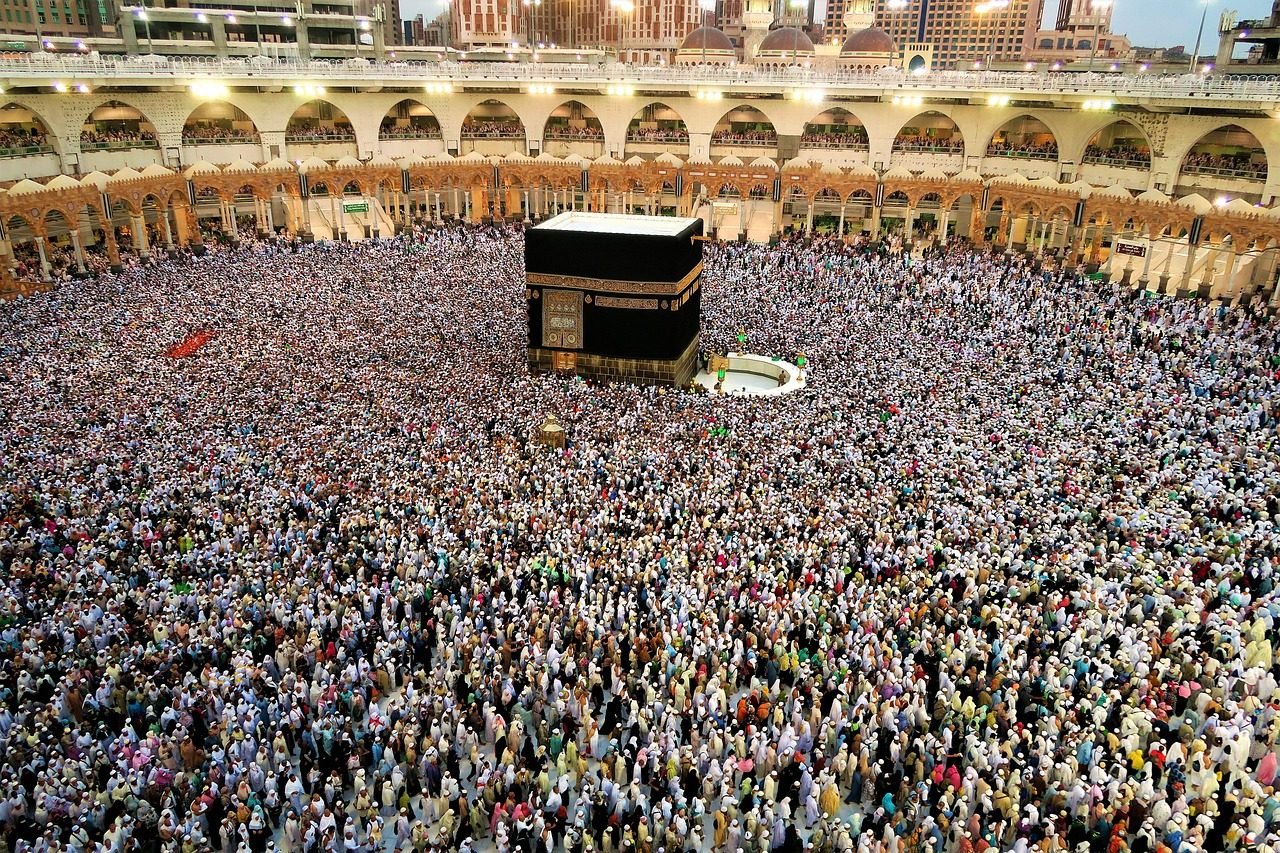
By the time the Hajj dates are only weeks away, transport providers, hotels and airlines serving the route are frequently operating at or near capacity, and prices reflect that scarcity. Waiting until dates are confirmed to the day before arranging transport is a common instinct, since it feels like the cautious option, but in practice it often means arranging things during the most constrained and most expensive part of the booking cycle.
Where the squeeze shows up first
The tightening does not hit every part of the trip evenly. Flights on popular routes into Jeddah and Madinah are often the first to fill, followed by hotel rooms within easy walking distance of the Haram, and finally ground transport, which can often still be arranged even close to the season but increasingly only at premium prices and with less choice over vehicle type or pickup timing. If you have already booked flights and accommodation but have left transport for later, do not assume it will simply follow the same relaxed timeline, since it is frequently the last piece to become genuinely difficult to arrange rather than the first.
How this differs from Ramadan Umrah demand
Hajj is not the only period where demand for transport spikes well in advance. Umrah during Ramadan follows a similar, though separate, pattern, where demand builds steadily through the month as more pilgrims travel for the last ten nights in particular. We cover that pattern, and how to plan around it, in more detail in our guide to why Ramadan Umrah transport gets busier and how to plan ahead. The underlying lesson is the same for both seasons: fixed, high-demand religious calendar dates create predictable surges in transport demand that start well before the dates themselves, and early booking is the main lever pilgrims have to avoid the worst of it.
Considering off-peak travel where your circumstances allow
Not every pilgrim is tied to Hajj or Ramadan specifically. Umrah can be performed at any time of year outside the Hajj period, and travelling during a quieter month generally means far less competition for flights, accommodation and transport, along with more moderate pricing across the board. This will not be the right answer for everyone, since some pilgrims specifically want the experience of Ramadan or are travelling as part of a Hajj group with fixed dates, but if your dates are flexible, it is worth weighing the calmer experience of an off-peak trip against the specific significance of a peak-season one.
The practical booking window pilgrims should aim for
There is no single universally correct number of months, since it depends on your nationality’s visa processing time, your chosen accommodation, and how far in advance your preferred transport provider allows bookings. What is consistent is the direction: once your Hajj registration and visa route are confirmed through haj.gov.sa or hajj.nusuk.sa, treat arranging transport as a near-immediate next step rather than something to circle back to closer to the date. If you are still at the earlier stage of sorting your documentation, our guide on what Nusuk requires before you book your Umrah transport explains how the registration and transport booking steps typically fit together, and the same logic applies to Hajj planning.
Visa processing timelines also vary meaningfully by nationality and by which route you are using, so what counts as early enough for one pilgrim may already be late for another. This is one more reason to treat the guidance on haj.gov.sa and hajj.nusuk.sa as the starting point for your own specific timeline rather than a generic date pulled from someone else’s experience.
What to do if you are booking later than planned
Not every pilgrim has months of lead time, sometimes a place becomes available at short notice, or personal circumstances mean planning starts later than ideal. If that is your situation, the priorities shift slightly. Confirm your visa route and registration first, since nothing else can proceed without it, then move immediately to transport rather than treating it as something to finalise last. Be realistic about vehicle choice and pickup flexibility, since the widest range of options will already be gone, and get a live quote rather than assuming prices you saw earlier in the year still apply. A late booking is more expensive and less flexible than an early one, but it is still considerably better than arriving without anything arranged and trying to negotiate transport on the ground during the single busiest travel window of the year.
What booking early actually gets you
Booking transport well ahead of the season is not just about avoiding a last-minute scramble, it also gives you a fixed, pre-agreed price rather than whatever the market will bear during peak weeks, more choice over vehicle type and timing, and a confirmed booking you can check on rather than an open question hanging over your final weeks of preparation. You can check the current status of availability and bookings on our Hajj and Umrah taxi booking status page, which is kept updated as the season approaches.
There is also a less tangible benefit worth naming: arranging transport early removes one recurring item from your mental list during a period when you are also managing visas, vaccinations, accommodation and, for many pilgrims, work and family arrangements at home. Fewer open questions closer to travel generally makes for a calmer final few weeks before you fly.
Frequently asked questions
Why does the date of Hajj change every year?
Hajj follows the Islamic lunar calendar, which is shorter than the Gregorian solar year, so the corresponding Gregorian dates move earlier each year in a repeating cycle. This is expected and not a scheduling anomaly.
Where can I find the confirmed Hajj dates for this year?
Check haj.gov.sa and hajj.nusuk.sa directly, since these are the official sources and are updated once dates are confirmed. Avoid relying on dates quoted on general travel blogs, which can be outdated.
How far in advance does transport demand start increasing before Hajj?
Demand typically builds for months before the season itself, tracking registration and visa processing windows, rather than spiking only in the final days before Hajj.
Is Ramadan Umrah demand similar to Hajj demand?
It follows a comparable pattern of building demand ahead of a fixed calendar period, particularly around the last ten nights of Ramadan, though the two seasons are separate. See our dedicated guide for more detail.
Should I book transport before or after my Hajj visa is confirmed?
Confirm your registration and visa route first through the official Hajj platform, then move quickly to arranging transport, since availability and pricing both tend to worsen the closer you get to the season.
Can Hajj dates change close to the time due to moon sighting?
The published date can be subject to confirmation, so it is sensible to treat early published dates as provisional and build a small margin into your travel plans until the date is formally confirmed.
Once your Hajj dates and registration are confirmed, arranging transport early is the single most effective way to avoid peak-season pricing and limited availability. You can book your airport and intercity transport with Hajj & Umrah Taxi well ahead of the season to lock in a fixed price.