

Reviewed planning guidance. Details can change; use the linked official sources and confirm current payment options with your specific transport provider before you travel.
Payment logistics are a small detail that quietly cause a disproportionate amount of stress on a Hajj or Umrah trip, mostly because pilgrims arrive expecting one system and encounter a slightly different one. Saudi Arabia has moved a long way toward card and digital payment in recent years, but cash still matters in specific transport situations, and toll roads work differently to how many UK pilgrims expect. This guide sets out what actually happens when you are paying a driver or passing through a toll point.
How most pilgrims pay drivers in practice
Pre-booked transport, whether an airport transfer or an intercity journey, is typically paid in advance or through the provider’s own booking and invoicing system, often by card online or bank transfer, which means the cash question rarely arises for the core fare itself. Where cash becomes relevant is for anything outside the pre-agreed fare: a tip, an additional stop not originally planned, or a small ad hoc taxi journey booked on the spot rather than in advance.
Metered or ad hoc taxis, particularly outside major tourist areas, are more likely to expect cash than a pre-booked pilgrim transport service, and card readers are not universal in every vehicle, so carrying some Saudi riyal cash remains sensible even in a country that is otherwise increasingly cashless.
Toll roads: who actually pays, and how
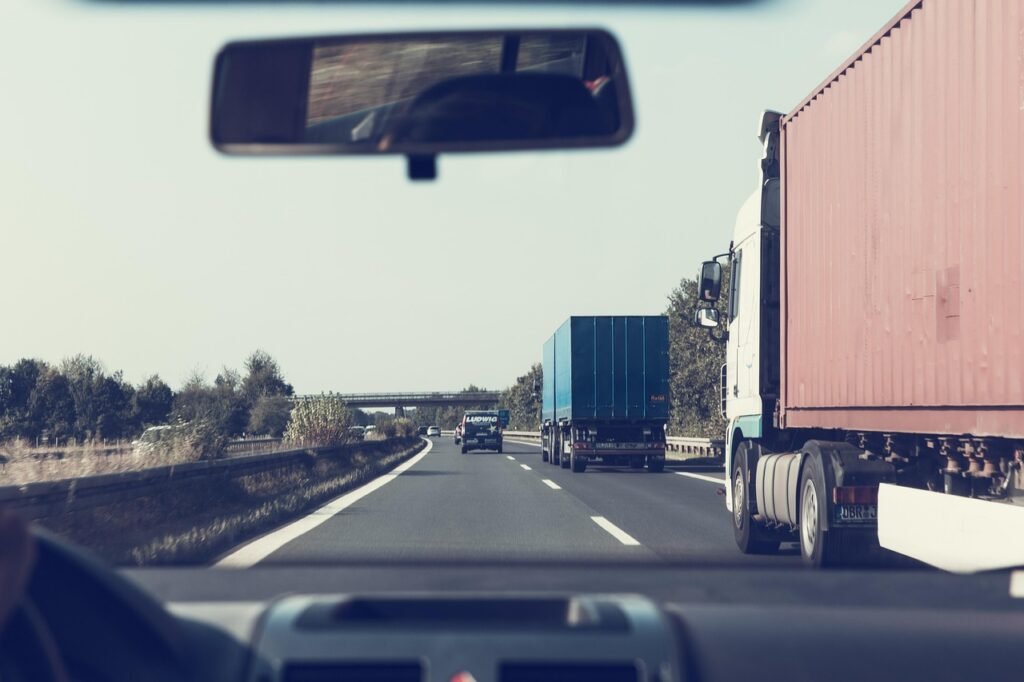
Saudi Arabia’s toll road network is more limited than in many countries pilgrims travel from, and the specific routes used for pilgrim transport between Jeddah, Makkah and Madinah include some toll sections, particularly around Jeddah’s road infrastructure. On pre-booked transport, the toll cost is virtually always built into your fare and handled directly by the driver or provider, meaning you should not expect to be asked to personally hand over toll money at a booth. Ask your provider directly if you want this confirmed in writing at the point of booking, particularly for a longer intercity route.
Where tolls are collected electronically rather than at a staffed booth, which is increasingly the norm, the vehicle itself carries the payment method, either a prepaid tag or an account linked to the vehicle’s registration, and this is entirely the provider’s responsibility to manage rather than something a passenger needs to think about.
What to actually carry as a pilgrim
Cash
Carry a modest amount of Saudi riyal cash, primarily in smaller denominations, for tips, small purchases, and any situation where a card machine is unavailable. There is no need to carry large sums, since most significant costs, including your main transport fare, will typically be settled electronically or in advance.
Cards
A UK debit or credit card that works internationally without excessive foreign transaction fees is worth arranging before you travel, since card acceptance in Makkah, Madinah and Jeddah’s main commercial areas is now widespread. Check with your bank about international usage settings before departure so a card is not unexpectedly blocked for suspected fraud the first time you use it abroad.
Checkpoints versus toll points: a common point of confusion
Pilgrims sometimes conflate security checkpoints, which are common on routes into Makkah and around Hajj period access control, with toll payment points, but they are entirely separate systems. Checkpoints exist to verify permits and documentation, particularly for Hajj access control, and do not typically involve any payment from passengers. Toll points, where they exist, are a straightforward road usage charge unrelated to permit checking. A well briefed driver will handle both without requiring anything from you beyond having your documentation accessible if asked.

A practical payment checklist before you travel
- Confirm with your transport provider exactly what is included in your fare, including tolls, before you travel.
- Carry a modest amount of Saudi riyal cash in small denominations for tips and incidentals.
- Enable international usage on your UK card before departure.
- Keep a small emergency cash reserve separate from your everyday spending money.
- Ask whether your driver expects payment in cash for any leg not covered by your original booking.
ATMs and currency exchange in Saudi Arabia
ATMs are widely available across Jeddah, Makkah and Madinah, including within major airport terminals, and are generally the most straightforward way to top up your Saudi riyal cash once you have arrived, rather than arranging a large amount of currency exchange before you leave the UK. Check your UK bank’s foreign withdrawal fees before you travel, since these vary considerably between providers, and a card with low or no foreign ATM fees can save a meaningful amount over the course of a longer trip.
Currency exchange counters exist at the airports and in central areas of Makkah and Madinah, but rates and fees vary, so comparing your options briefly, rather than using the first counter you see at arrivals, is worth the extra few minutes, particularly if you are exchanging a larger amount.
What to do if a card is declined
A declined card is one of the more common minor frustrations pilgrims report, often triggered by a bank’s fraud detection system flagging unexpected overseas activity rather than any genuine problem with the account. Contact your bank before you travel to confirm your dates and destination, and keep your bank’s international contact number saved separately from your phone in case you need to resolve an issue while abroad and your phone itself is the problem. Carrying a second card from a different bank, kept separately from your primary card, is a sensible backup that has saved many pilgrims an awkward situation at a critical moment.
Group payment logistics worth agreeing in advance
For a family or small group travelling together, decide before you fly who is responsible for settling transport payments day to day, rather than working it out on the spot each time. Splitting costs after the trip using a shared note or a simple app is usually far less stressful than several people trying to individually pay a driver small amounts in different currencies and denominations during a single journey. For a larger mosque or community group, a single designated treasurer handling all transport related payments, with a simple running record kept for transparency, tends to work far better than a diffuse, informal approach.
Frequently asked questions
Q: Will I be asked to pay a toll directly at a booth? A: On pre-booked pilgrim transport, this is very unlikely, since toll costs are normally built into the fare and handled by the driver or provider. Confirm this with your specific provider if you want certainty.
Q: Is it better to pay drivers in cash or by card? A: For a pre-booked fare, payment is usually arranged in advance electronically. For tips or ad hoc extras, cash remains the more reliable option, since not every situation involves a working card reader.
Q: How much Saudi riyal cash should I bring for a typical trip? A: There is no fixed figure, but a modest amount covering tips, small purchases, and incidentals over the length of your trip is a sensible approach, topped up locally via ATM if needed rather than carrying a large sum from the outset.
Q: Do checkpoints during Hajj require any payment? A: No, checkpoints are for permit and documentation verification, not payment, and are unrelated to toll roads.
Q: Can I use contactless payment widely in Saudi Arabia? A: Contactless and card payment is widely accepted in shops, hotels and many transport contexts across Makkah, Madinah and Jeddah, though it is still sensible to carry some cash as a backup for situations where it is not available.
Checked sources
Official information for your planning
Saudi transport regulations, safety guidance and booking practices can change. These official sources are provided so you can check the current position before you travel. Checked 26 July 2026.
If you have questions about what is included in your fare, including tolls, get in touch with Hajj & Umrah Taxi before you book and we will confirm the details in writing.