

Reviewed planning guidance. This article is general planning guidance for pilgrims arranging ground transport for Umrah or Hajj. Always check your airline’s current baggage rules and the latest Nusuk guidance before you travel.
Most first-time pilgrims spend weeks preparing for the spiritual side of Hajj or Umrah and give only a passing thought to how they will actually get from the airport to the Haram. Ground transport in Saudi Arabia works differently from what many UK, EU or US travellers expect, and the gap between expectation and reality tends to show up right when a pilgrim is jet-lagged, carrying luggage, and trying to focus on their intentions rather than logistics. Knowing what to expect in advance removes one more thing to think about once you land, and it lets you spend the first hours of your journey settling into the rhythm of worship rather than working out how the local transport system operates.
The price is agreed before you travel, not haggled at the kerb
Pilgrims arriving from countries where taxi meters run, or where a driver expects to negotiate a fare on the spot, are often surprised that reputable pilgrim transport in Saudi Arabia works the opposite way. A fixed price is agreed in advance, either through a booking made before departure or through an official counter at the airport, and that figure does not move regardless of traffic, luggage, or how long the journey takes. There is no meter ticking over and no back-and-forth negotiation once you are in the vehicle.
To give a sense of how this looks in practice, a Hajj & Umrah Taxi transfer from Jeddah Airport to Makkah is typically quoted from around 220 SAR, an intercity transfer from Makkah to Madinah from around 550 SAR, and a transfer from Madinah Airport into the city from around 100 SAR, with the final figure depending on vehicle size and how many people are travelling together. Seeing a number like that before you fly, rather than discovering it at the kerb, is exactly the kind of certainty most first-time pilgrims did not expect but come to appreciate quickly.
This suits pilgrims well, because it means there are no surprises on arrival when you are least able to deal with them. It also means it pays to sort your transport out before you fly rather than assume you can simply find something reasonable once you land. Unofficial drivers touting for business outside arrivals halls are a known issue, and gov.uk’s foreign travel advice for Saudi Arabia is worth reading before you go so you know what to watch for on arrival.
The distances between cities are bigger than they look on a map
Makkah, Madinah and Jeddah look close together on a phone screen, and pilgrims who have never made the journey sometimes assume it is a short hop between them. In reality, Jeddah to Makkah is roughly an hour by road, while Makkah to Madinah is a genuine intercity journey of several hours across open desert highway. That is a very different kind of trip to plan for, especially if you are travelling with elderly parents, young children, or anyone who needs regular breaks along the way.
- Jeddah Airport to Makkah typically takes around an hour outside of peak congestion, though this can stretch during busy arrival windows.
- Makkah to Madinah is a multi-hour drive, closer to a full day trip once you include rest stops, prayer breaks and refreshments.
- Madinah Airport to the city centre is a much shorter transfer, but still worth timing properly if you are arriving late at night after a long flight.
Building the right amount of time into your itinerary for these legs, rather than assuming everything is a quick ride, saves a lot of stress once you are actually on the road. Pilgrims who plan the Makkah to Madinah leg as a genuine travel day, with food, prayer and rest built in, tend to arrive far less frazzled than those who treat it as a short transfer between two nearby cities.

Your drop-off point may not be right at the door of the Haram
This is one of the surprises that catches out pilgrims most often. During busy periods, vehicle access close to the Grand Mosque and the Prophet’s Mosque is restricted for crowd management and safety reasons, so your driver may set you down some distance away, with the final stretch covered on foot. First-timers who picture being driven directly to the mosque entrance can find this disorientating, particularly with luggage in hand or in the heat of the day, and it can feel like an unexpected complication right at the point where you are most eager to begin your rites.
It helps enormously to mentally prepare for a short walk at the end of your journey, to pack a bag you can carry comfortably rather than something that needs wheeling over uneven ground, and to agree a clear meeting point with your driver for the return leg. Wearing comfortable footwear for that last stretch, and keeping essentials like your ihram, identification and water within easy reach rather than buried at the bottom of a suitcase, makes the walk far less stressful. This is exactly the kind of detail that official guidance on the Nusuk platform is designed to help pilgrims plan around, since drop-off arrangements can change depending on the time of year and the crowd levels on any given day.
Vehicles are matched to who is actually travelling
Pilgrims who have used generic ride-hailing apps elsewhere sometimes expect any car to simply turn up. In practice, family groups, women travelling without male relatives, and larger parties are usually better served by transport that is arranged with the makeup of the group in mind, rather than whatever vehicle happens to be nearest. A saloon car that comfortably suits a solo traveller is the wrong choice for a family of six with cases for two weeks, and an unfamiliar driver arrangement is not what most women travelling alone are looking for.
Thinking through the following before you book tends to avoid awkward moments on arrival:
- How many people and how much luggage will actually be in the vehicle, including any equipment for elderly or disabled travellers.
- Whether anyone in the group needs extra space, such as elderly parents, young children, or someone travelling with mobility aids.
- Whether a woman is travelling without a mahram and would prefer that reflected in how the journey is arranged.
Getting this right before you fly means you are not renegotiating vehicle type at the kerb after a long flight, and it means the vehicle that meets you is genuinely suited to your group rather than a best available option.
Traffic and timing shift dramatically around the pilgrimage calendar
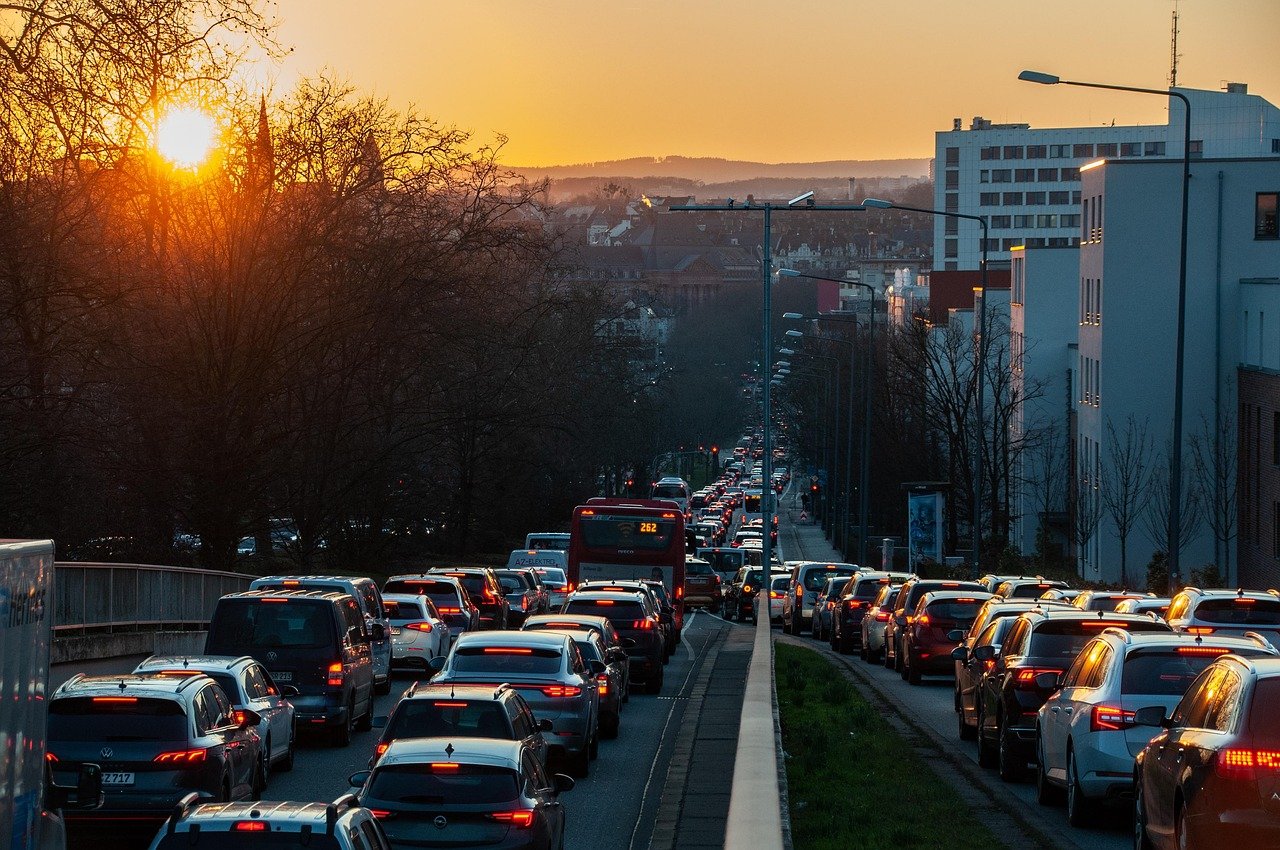
A journey that takes an hour in a quiet month can take considerably longer during Ramadan or the days around Hajj, when millions of pilgrims are moving through the same roads, checkpoints and mosque precincts at once. First-timers who travel outside these peak periods and then return for Hajj are sometimes caught out by how different the same route can feel once genuine crowd volumes are involved, with roads that were quiet on a previous Umrah trip suddenly filled with buses, coaches and pedestrian crossings.
This is not something to work around on the day. It is worth building extra time into airport transfers and intercity journeys during known peak windows, checking the latest guidance from the Saudi Ministry of Hajj and Umrah on seasonal timing, and accepting that a driver’s estimated journey time is a starting point rather than a guarantee once the roads are genuinely busy. Building in a wider arrival window for connecting flights, prayer times, or hotel check-in during these periods is one of the simplest ways to keep the rest of your itinerary intact.
Payment and communication work differently to home
Card payment is widely available with established transport providers, but pilgrims who assume every transaction will be card-based sometimes find it useful to also carry some cash, particularly for smaller or informal costs along the way. Equally, English is spoken to varying degrees depending on the driver and the route, so having your destination written down, saved as a screenshot, or confirmed through your booking confirmation removes any doubt at the point of pickup.
None of this is difficult to prepare for. It simply rewards pilgrims who think about it before they land rather than assuming everything will work exactly as it does at home. Saving your hotel name and address in Arabic script, along with your driver’s contact details, before you set off from the airport is a small habit that avoids a lot of confusion later in the trip. Checking practical guidance from the US Embassy’s pilgrim guidance alongside your own government’s travel advice is a sensible step for this kind of detail.
Frequently asked questions
Q: Should I book ground transport before I fly, or arrange it after I land? A: Booking before you fly is strongly advised, since it gives you a fixed price, a confirmed driver arrangement, and one less thing to sort out while jet-lagged at arrivals.
Q: How long does the Makkah to Madinah journey actually take? A: It is a multi-hour intercity drive, not a short hop, so plan for a genuine day of travel rather than a quick transfer, with rest stops built in for elderly or young travellers.
Q: Why might I be dropped some distance from the Haram itself? A: Vehicle access near the Grand Mosque and the Prophet’s Mosque is restricted during busy periods for crowd safety, so the final stretch of your journey is often on foot. Pack accordingly and agree a clear pickup point in advance.
Q: Do I need to specify vehicle type when booking as a family? A: Yes, it is worth confirming group size, luggage volume, and any specific needs such as elderly relatives or a woman travelling without a mahram, so the vehicle matches your actual travel party.
Q: Does traffic get significantly worse during Hajj and Ramadan? A: Yes, journey times that feel quick outside peak season can lengthen considerably once genuine pilgrimage crowds are on the roads, so build in extra time rather than relying on off-peak estimates.
Q: Should I carry cash as well as a card? A: It is sensible to have a small amount of cash available alongside card payment, since not every incidental cost along your journey will necessarily be card-based.
If you would like help matching your plans to the right vehicle, Hajj & Umrah Taxi can put together a fixed-price quote based on your exact travel details, from Jeddah to Makkah, Makkah to Madinah, or a Madinah Airport transfer. Get in touch before you fly and we will make sure your transport is arranged around how you are actually travelling, not the other way round.