


A Hajj group spanning three generations, from a grandparent in their seventies to a toddler still needing a nap in the afternoon, is a genuinely different transport planning problem to a group of fit adults travelling together. Mobility needs, patience limits, luggage volume and even how each person wants to spend their time between rituals all pull in different directions, and the transport plan has to hold all of it together across the demanding, tightly scheduled days of Hajj itself.
Reviewed planning guidance. Details can change; use the linked official sources and get a live quote for current pricing and availability.
Why multi-generational Hajj groups need a different plan
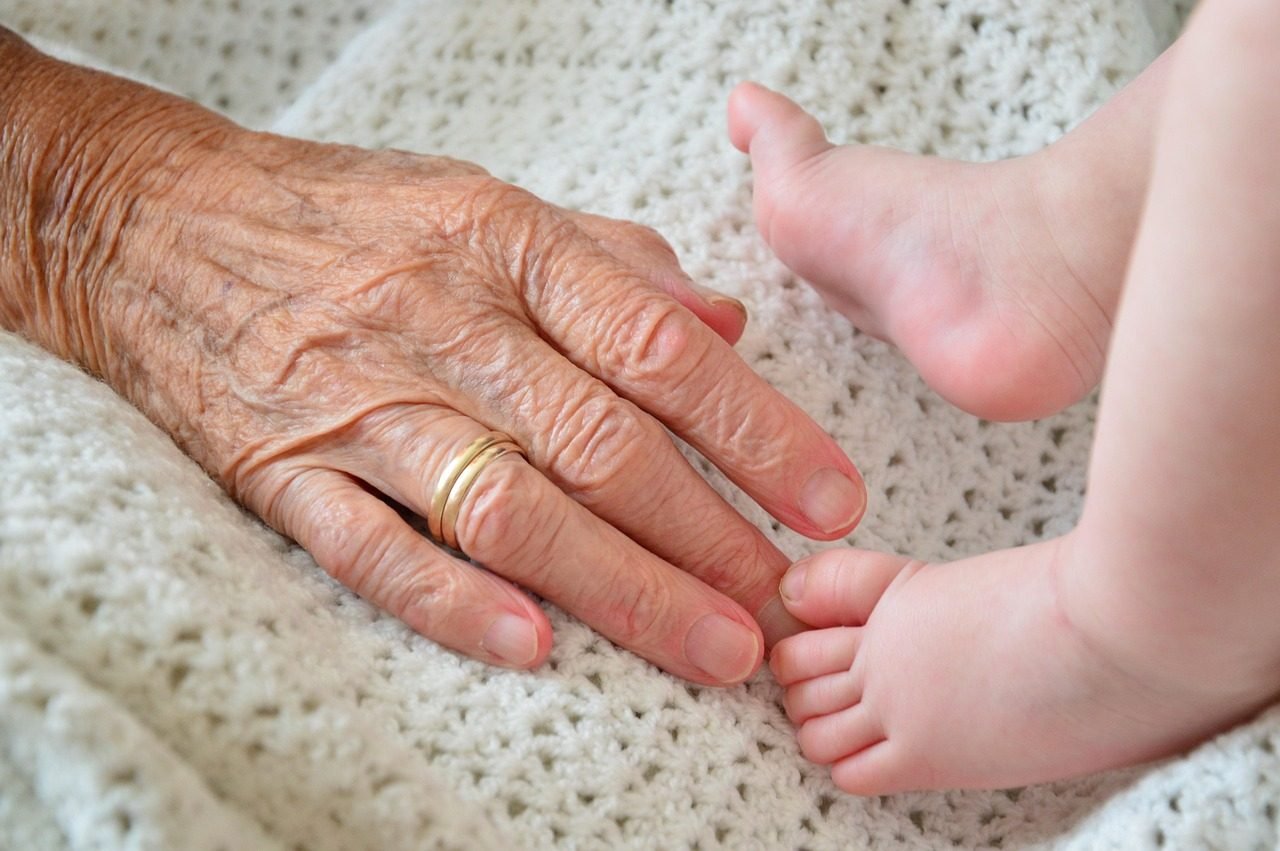
Hajj is not a leisurely trip. The movements between Makkah, Mina, Arafat and Muzdalifah happen on a fixed schedule dictated by the rites themselves, with enormous numbers of pilgrims moving through the same corridors and camps at the same time. For a group of similar-aged, similarly mobile adults, that schedule is demanding but manageable. For a group that includes an elderly grandparent who tires quickly and struggles with long walks, alongside young grandchildren who need entertaining, feeding and occasionally carrying, the same schedule requires considerably more planning around transport specifically.
This is a genuinely different challenge to booking a family Umrah trip, since Hajj adds fixed ritual timings, extremely high pilgrim density, and the Mina, Arafat and Muzdalifah legs that Umrah does not include at all. A transport plan that works well for an Umrah family trip will not automatically translate to Hajj, and it is worth thinking through the specific stages separately.
Mobility across the generations
Start by being honest about mobility within your group, since this shapes almost every other transport decision. An elderly relative who manages short distances but tires on long walks may need vehicles that can get closer to key points, more frequent short journeys rather than one long day of walking, and realistic rest stops built into the schedule rather than assumed. Our guide on travelling to Umrah with elderly parents covers many of the same principles, and is worth reading even though it is framed around Umrah, since the underlying mobility planning carries across to Hajj.
At the other end of the group, young children have their own mobility and patience limits, just of a different kind. Long waits, crowded transfers and unpredictable timing wear on small children quickly, and a group with both an elderly grandparent and young grandchildren effectively has two sets of mobility and patience constraints to plan around at once, not one. Building slack into transfer times, rather than planning transport tightly back to back, gives the group room to move at the pace of its slowest or most easily tired member without the whole day falling apart.
Vehicle capacity and luggage for a large, mixed group
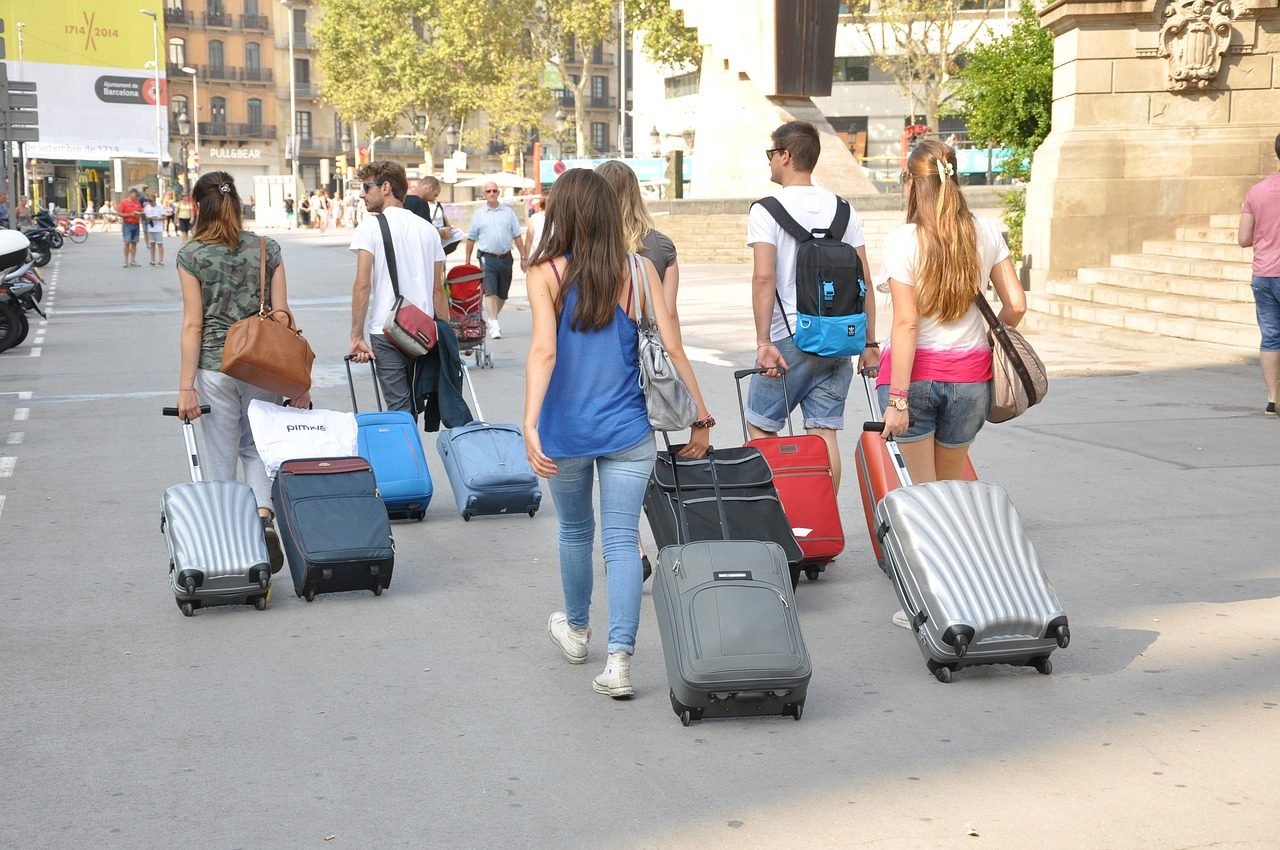
Extended family groups travelling together for Hajj often need more than one vehicle, or a larger vehicle than a standard family booking, simply because of numbers. Work out your total group size honestly, including anyone who might join partway through, and factor in that Hajj travel typically involves more luggage per person than a short trip, given the length of stay and the items pilgrims often bring or take home. Our guide on choosing a vehicle for six or more pilgrims covers how to size transport correctly once a group grows beyond what a standard vehicle comfortably fits, and the same logic applies to a multi-generational Hajj group.
It is also worth deciding in advance whether the whole extended family needs to travel together in every vehicle, or whether splitting into smaller groups for some journeys, an elderly relative with one adult companion in one vehicle, more mobile family members in another, makes more practical sense. Keeping everyone together sounds appealing in principle but can slow the whole group down to the pace of whoever needs the most support, which is not always what every family member wants or needs on every leg of the trip.
Coordinating separate ziyarah preferences within one group
Not every member of a multi-generational group will want to do the same things with their free time between the fixed rites. Younger, fitter adults may want to visit additional historic sites around Makkah and Madinah, while an elderly grandparent may prefer to rest at the hotel, and parents with young children may need to balance both. Rather than assuming the whole extended family will move as one unit for every ziyarah visit, it is worth planning transport that allows smaller sub-groups to peel off for particular outings while the core group sticks to a simpler schedule.
This is really a transport availability question as much as a preferences one. A family that has arranged flexible, on-demand local transport for the non-fixed parts of the trip has the freedom to split up as needed. A family relying on a single shared vehicle for everything will find that flexibility much harder to achieve, and may end up with everyone compromising on what they actually wanted to do.
Mina, Arafat and Muzdalifah with a mixed-mobility group
The Mina, Arafat and Muzdalifah stages of Hajj are where a multi-generational group’s transport plan is tested most. These stages involve enormous numbers of pilgrims moving through the same routes in a short window, with limits on vehicle access in parts of the camps, and considerable walking even once transport has brought you close. For an elderly relative, this combination of crowd density, heat and walking distance is the most physically demanding part of the entire trip, and needs realistic planning rather than optimism.
Discuss the practical details with your group and, where relevant, your Hajj group operator well before you travel: how close can transport actually get to your camp or tent, what is the walking distance from any drop-off point, and is there a plan for an elderly relative who cannot manage the full distance on a given day. The official Hajj information portal at haj.gov.sa and the Nusuk Hajj platform at hajj.nusuk.sa are both worth checking for current guidance on movement between these sites, since arrangements and routes can be adjusted from year to year based on crowd management needs.
Budgeting transport across a larger, mixed group
A multi-generational Hajj group is usually a larger group overall, and transport costs scale with vehicle size, number of vehicles, and how much flexibility you build in for splitting up along the way. It is worth budgeting for the whole trip’s transport needs together, airport transfers, movement during the fixed rites, and any additional local journeys for ziyarah or errands, rather than pricing the airport transfer alone and treating everything else as an afterthought. Hajj season also brings naturally higher demand for transport than the rest of the year, so getting a realistic quote for your specific group size well ahead of your travel dates gives you a proper number to plan around rather than a rough guess based on a much smaller group’s costs.
Larger, mixed groups also benefit from booking through a single provider who understands the whole group’s needs, rather than piecing together separate bookings for different family members. A provider who knows from the outset that your group includes an elderly grandparent, young children and some family members who want independence for certain outings can plan vehicle sizes, timings and driver briefings around all of that, rather than treating each booking as a separate, unconnected job.
Talking about it as a family before you book
The single most useful thing a multi-generational group can do is have an honest conversation before booking transport, rather than assuming everyone’s needs will simply be met along the way. Ask directly: who genuinely struggles with walking distances, who needs to be near a toilet or shade more often, who is bringing young children and what that means for the group’s pace, and who would prefer some independence from the main group for certain outings. These conversations are sometimes uncomfortable, since nobody wants to be the reason the group moves more slowly, but having them before you fly means the transport plan can actually accommodate everyone rather than forcing compromises on the day.
Frequently asked questions
Do we need separate vehicles for elderly relatives and younger family members?
Not necessarily, but it is worth considering, particularly for the Mina, Arafat and Muzdalifah stages, since splitting into smaller groups can let more mobile family members move at a different pace to those who need more support.
How much extra time should we build in for an elderly grandparent in the group?
There is no single figure, but planning for slower movement, more frequent rest, and realistic walking distances from any drop-off point is sensible, particularly around Mina, Arafat and Muzdalifah where distances and crowds are greatest.
Can different members of our family do separate ziyarah visits during Hajj?
Yes, if your transport arrangements allow flexibility beyond the fixed group schedule. This is worth discussing with your provider or Hajj group operator in advance, rather than assuming everyone must move together at all times.
What is different about Hajj transport planning compared with Umrah for elderly relatives?
Hajj adds fixed ritual timings and the Mina, Arafat and Muzdalifah stages, which involve considerably higher pilgrim density and more walking than a typical Umrah itinerary, so the planning needs to be more specific to those stages.
Where can I find official guidance on movement between Hajj sites?
The Nusuk Hajj platform and the Saudi Hajj information portal both publish current guidance on movement between Makkah, Mina, Arafat and Muzdalifah, and are worth checking closer to your travel dates since arrangements can be adjusted year to year.
Checked sources
Official information for your planning
Transport, airport, visa and visitor arrangements can change. These official sources are provided so you can check the current position for your journey. Checked 2026-07-25.
Hajj & Umrah Taxi works with families across the full range of mobility and ages in one group, from grandparents to grandchildren, to put together a transport plan that fits the whole family rather than forcing everyone to move at the same pace. Talk to us about your group’s specific needs before you book.