

Reviewed planning guidance. Details can change; use the linked official sources and get a live quote for current pricing and availability.
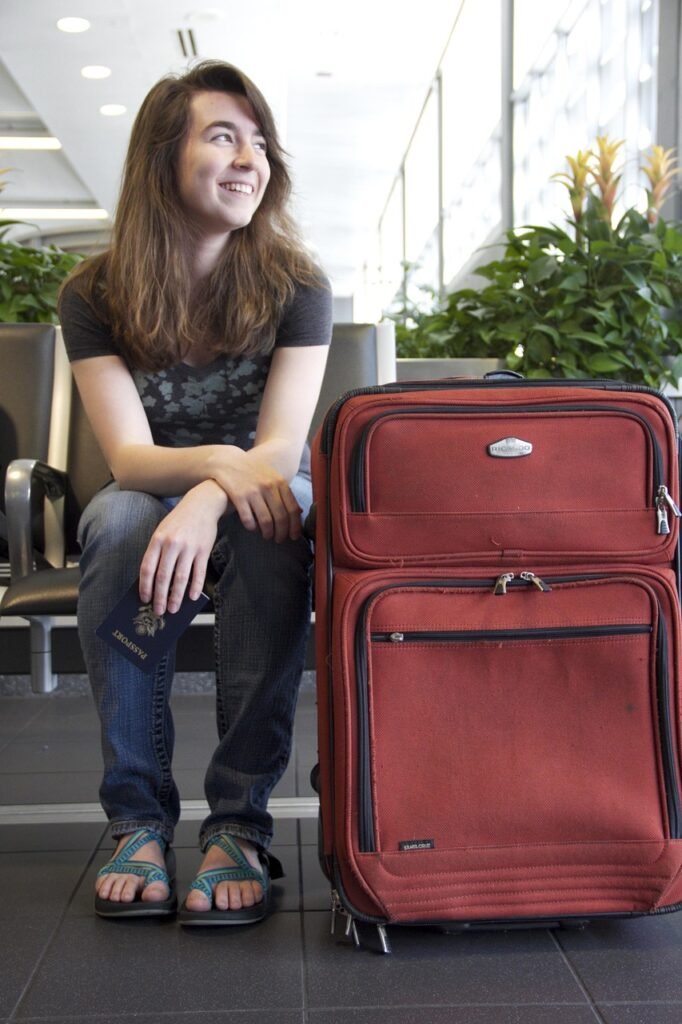
Umrah is often written about as a family or group trip, which can leave solo pilgrims short of guidance that actually applies to them. Travelling alone changes some practical things, how you book transport, what to check before you get in a vehicle, and how you budget for a trip that will not be split across several people, without changing the pilgrimage itself. None of this needs to be daunting. It mostly comes down to being a bit more deliberate about a handful of decisions that a travel companion would otherwise share with you. Here is what to expect and plan for.
Booking transport when there is only one of you
The biggest practical shift travelling solo is that transport costs are not shared. A private vehicle for one person costs the same as for a family of three sharing it, which makes it worth asking your provider directly whether a shared or shuttle-style transfer is available for solo travellers, particularly for the standard Jeddah or Madinah airport route, if keeping costs down matters more than having a vehicle to yourself.
Whichever option you choose, book ahead rather than planning to sort it on arrival. Travelling alone with no one else to fall back on if plans go wrong makes a confirmed, fixed-price booking more useful, not less, since you are the only person managing the situation if something changes. Managing your own luggage, Ihram change, and airport navigation alone is already enough to think about on arrival without also negotiating transport from scratch, so having that one piece already settled before you land is worth the small amount of planning it takes.
What to check when booking a driver alone
- A fixed price agreed in writing before you travel, so there is no negotiation to have alone on arrival.
- A named driver or clear vehicle identification confirmed ahead of time, so you know who you are looking for at the airport.
- A provider that tracks your flight number, so a delay does not leave you alone in an unfamiliar arrivals hall with no one expecting you.
- A genuine contact number you can reach directly if your flight changes or you cannot locate your driver.
- Clear confirmation of exactly where you will be dropped off, particularly if your hotel is inside a large complex with more than one entrance, so you are not trying to work out directions alone after a long flight.
These checks matter for every pilgrim, but they matter more when you have no travel companion to help sort things out if a booking goes wrong. Write your confirmed details down somewhere other than just your email inbox, a notes app, a printed copy, anything you can access even without signal, since relying on a single digital copy is a small risk not worth taking when you are travelling without a second person to fall back on. Our guide to how to vet a Saudi taxi provider before you travel from abroad covers this in more depth, and is worth reading in full before you book, not just skimmed.
Considerations for women travelling alone
Solo female pilgrims have additional practical questions worth addressing directly rather than glossing over. When booking transport alone, it is reasonable to ask a provider in advance about vehicle standard, whether the booking can be confirmed with full driver details ahead of pickup, and what the process is if you need to change plans while travelling. A provider that answers these questions clearly and specifically, rather than vaguely, is generally a better sign than one that brushes past them. It is also entirely reasonable to ask whether a female staff member is available to speak with by phone or message if that would make you more comfortable confirming details before you travel.
Booking early gives you more room to ask these questions properly and compare answers between providers, rather than working through them under time pressure a day or two before you fly. A provider that takes these questions seriously at the booking stage is generally one that will handle the actual pickup professionally too.
For the wider picture on entry requirements, escort rules, and any conditions that may apply specifically to solo women travelling for Umrah, check current guidance directly on nusuk.sa and gov.uk/foreign-travel-advice/saudi-arabia, since these rules are set by the Saudi authorities and the requirements that apply to your nationality can change. Do not rely on secondhand advice from forums or blogs for anything visa or entry related, use the official sources and confirm what currently applies before you book flights or transport.
Staying connected and safe beyond the vehicle itself
Transport is only one part of travelling safely alone. A few habits that cost nothing but make a real difference: arrange a local SIM or data plan before you land, or as soon as you arrive, so you are never without a way to contact your driver, hotel or family. Share your itinerary, including your transport bookings and hotel details, with someone at home before you fly, and check in with them once you have arrived and settled. Keep the contact details for your country’s consular support saved and accessible; for US citizens this is sa.usembassy.gov, and UK travellers should keep the current guidance and emergency contact details from gov.uk/foreign-travel-advice/saudi-arabia to hand as well. None of this is specific to transport, but a solo pilgrim who has these basics sorted tends to feel noticeably calmer navigating everything else, transport included.
Cost: solo versus shared transport
Travelling and booking transport alone generally costs more per person than a shared or family booking, simply because there is no one to split the fare with. Where this matters most is on longer legs, particularly a Makkah to Madinah transfer, where the difference between a shared seat and a full private vehicle is more noticeable than on a short airport run.
- For the Makkah to Madinah leg specifically, compare the Haramain high-speed train against a private transfer. The train is often the more cost-effective option for a solo traveller, while a private transfer offers more direct door-to-door convenience. Our Haramain train or private transfer guide sets out the trade-offs.
- For airport transfers, ask about shuttle or shared options if minimising cost matters more than travelling alone in the vehicle.
- Get a live quote for your actual route and dates rather than assuming a fixed solo surcharge, since pricing varies by provider and by how far ahead you book.
Practical tips for solo pilgrims arranging their own transport
- Share your booking confirmation and driver details with someone at home before you fly, so someone else knows your transport plan even though you are travelling alone.
- Keep your booking reference and provider contact number accessible on your phone and on paper, in case your phone runs out of charge after a long flight.
- If you are staying in Madinah before or after Makkah, our Madinah airport hotel transfer guide covers what to expect from that specific leg, useful to check even if you are confident about the Jeddah side of the trip.
- Build a small buffer into your schedule between flights and onward transport, since managing a delay alone is more stressful without someone else to help think through options.
- Note down your driver’s vehicle description and registration if provided, not just their name, so you can quickly confirm you have found the right car in a busy pickup area.
- Take a moment before you travel to write out your full itinerary end to end, arrival transfer, hotel dates, any Makkah to Madinah leg, and departure transfer, in one place, so you have a single reference to check against rather than piecing it together from separate confirmation emails while tired.
None of this turns a solo Umrah into a complicated undertaking. Most of it is simply writing down in advance what a travel companion would otherwise help you keep track of as you go, so that being on your own does not mean being unprepared.
Frequently asked questions
Is it more expensive to book transport as a solo Umrah pilgrim?
Generally, yes, per person, since there is no one to share the fare with. Ask your provider about shared or shuttle options for standard airport routes if minimising cost matters more than having a vehicle to yourself.
Is it safe for a woman to travel alone for Umrah?
Requirements and guidance can change and depend on your nationality and visa route. Check current rules directly on nusuk.sa and gov.uk/foreign-travel-advice/saudi-arabia before booking flights or transport, rather than relying on general assumptions.
What should I check before booking a driver if I’m travelling alone?
A fixed price in writing, a named driver or clear vehicle identification, flight tracking, and a genuine contact number you can reach directly if plans change.
Should I book a shared transfer or a private vehicle travelling solo?
It depends on your priorities. A shared or shuttle transfer usually costs less; a private vehicle gives you more control over timing and no waiting for other passengers. Ask your provider what is available for your specific route.
Is the Haramain train a good option for a solo traveller?
Often, yes, particularly for the Makkah to Madinah leg, where it can be more cost-effective than a private transfer for one person. Compare both against your actual schedule before deciding.
What if my flight is delayed and I’m travelling alone?
Book with a provider that tracks your flight number, so your driver adjusts automatically rather than you needing to manage the change yourself from an arrivals hall.
Travelling solo does not mean managing transport logistics alone. Book your airport and intercity transport with Hajj & Umrah Taxi and get a fixed-price, confirmed pickup arranged before you fly, so one part of a solo trip is settled well in advance.