


Once Dhul Hijjah is on the horizon, the number of things competing for your attention grows quickly: visas, Ihram, vaccinations, group arrangements, and the rituals themselves. Transport tends to get squeezed into whatever time is left over, which is exactly backwards, since transport demand and pricing move earliest of all as the season approaches. A week-by-week countdown gives transport its own place on the calendar, rather than leaving it to be sorted whenever there happens to be a spare afternoon.
Reviewed planning guidance. Details can change; use the linked official sources and get a live quote for current pricing and availability.
Plenty of pilgrims would rather organise Hajj themselves than hand the trip to an agency. How far that is possible depends on where you live: some parts of Hajj can be booked directly, others are not sold outside an approved package.
Why a week-by-week timeline works better than a task list
A checklist tells you what needs doing, but not when. A week-by-week timeline solves a different problem: it tells you what needs your attention this week specifically, so nothing gets left until it is too late to do properly. This matters more for transport than almost anything else on the Hajj planning list, because transport availability and pricing respond directly to how close you are to Dhul Hijjah, tightening and rising well before the month itself begins. Our guide to Hajj season dates and why transport demand spikes early explains this pattern in more detail if you want the reasoning behind the timeline below.
Twelve weeks before Dhul Hijjah, if you can start this early
Not every pilgrim has three months of lead time, but if you do, this is a genuinely useful point to start. Twelve weeks out is early enough that transport pricing has not yet moved significantly, and it gives you the most choice of any point in the calendar. Use this week to decide roughly what kind of transport arrangement you want, a private vehicle for your group throughout, a mix of private airport transfers and shared transport for other legs, or something arranged entirely through a Hajj group package, since this decision shapes everything that follows. If you are travelling with an extended family group spanning several generations, this is also a sensible week to start the conversation about mobility needs and vehicle sizing, since those conversations tend to take longer than people expect and are best not rushed in the final weeks.
Eight weeks before Dhul Hijjah
This is the point to start treating transport as an active task rather than something to think about later. Confirm your flight dates if you have not already, since your transport plan depends on knowing your arrival and departure points and times. Begin researching transport providers, checking reviews, licensing, and how they handle the Mina, Arafat and Muzdalifah stages specifically, not just the airport transfer. If you are travelling as a group, this is also the week to agree, as a group, whether you want private or shared transport, since that decision affects pricing and availability further down the line. Our guide on group versus private transport for Hajj is worth reading at this stage.
Six weeks before Dhul Hijjah
Get quotes from two or three providers for your specific dates and group size, rather than relying on prices you may have seen quoted for a different year or a smaller group. Transport pricing during Hajj season is not fixed, and demand has usually already started to firm up prices by this point, so a live quote is worth far more than a remembered figure from someone else’s trip. This is also a sensible week to check that your chosen provider’s coverage includes the full journey you need, airport transfer, intercity movement if applicable, and the fixed-rite stages, rather than assuming one booking covers everything automatically.
Four weeks before Dhul Hijjah
Aim to have your airport transfer and any intercity transport booked and confirmed by this point. Four weeks out is comfortably before the sharpest part of the seasonal demand curve for most providers, and booking now generally means more choice of vehicle type and pickup time than waiting until the final fortnight. If you have not yet had the conversation about group mobility needs, elderly relatives, young children, luggage volume, this is the week to have it, since it directly affects what you book and how large a vehicle you need. Our Hajj transport checklist is a useful cross-check against this timeline to make sure nothing has been missed.
Two weeks before Dhul Hijjah
Confirm every booking in writing: pickup times, meeting points, driver identification arrangements, and what happens if your flight is delayed. This is also the point to finalise arrangements for the Mina, Arafat and Muzdalifah stages specifically if these are not automatically included in your main booking, since these stages often involve separate logistics from your airport transfer and require their own confirmation. Share the confirmed transport plan with everyone in your group, particularly anyone travelling separately or joining partway through, so nobody is relying on guesswork about pickup arrangements once you are all in Saudi Arabia.
One week before Dhul Hijjah
Reconfirm your bookings directly with your provider, since a short message a week out catches any last-minute changes on either side while there is still time to fix them. Save every driver’s contact details, booking references, and vehicle registration details somewhere accessible on your phone, ideally somewhere that works without needing an internet connection, such as a saved message or screenshot rather than only a webpage. Pack any documentation you will need to show at checkpoints during the fixed rites, and check the Nusuk Hajj platform at hajj.nusuk.sa and the Saudi Hajj portal at haj.gov.sa for any final guidance published closer to the season.
During Dhul Hijjah itself
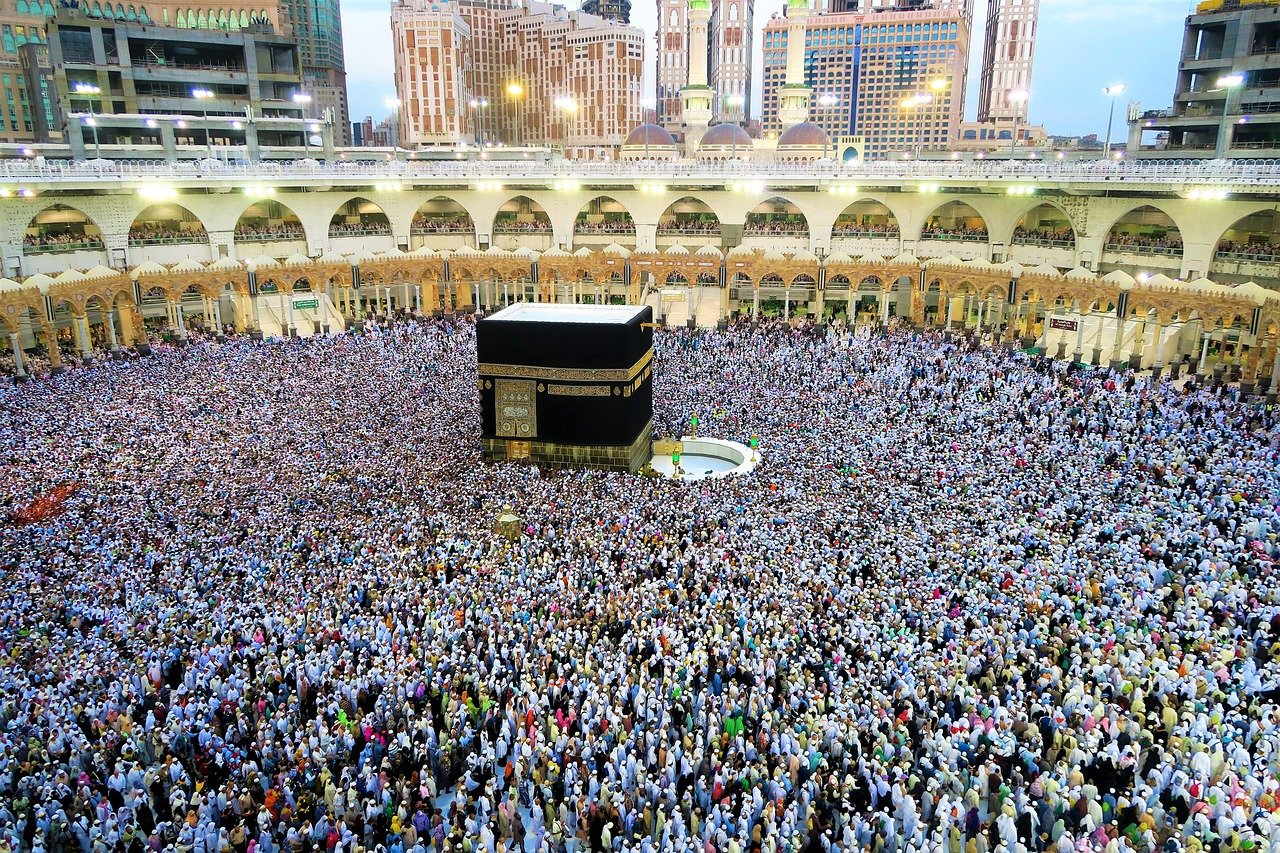
Once you land, the plan shifts from booking to executing it calmly. Follow your confirmed pickup arrangements for the airport transfer, and keep your transport plan for Mina, Arafat and Muzdalifah close at hand, since these are the days when transport logistics matter most and are hardest to sort out on the spot given the scale of pilgrim numbers moving through the same routes at the same time. If anything changes, a flight delay, a change in your group’s plans, contact your transport provider directly and as early as possible rather than waiting until the moment you need the vehicle, since a provider that knows about a change in advance has far more room to accommodate it.
What happens if you are starting later than this timeline suggests
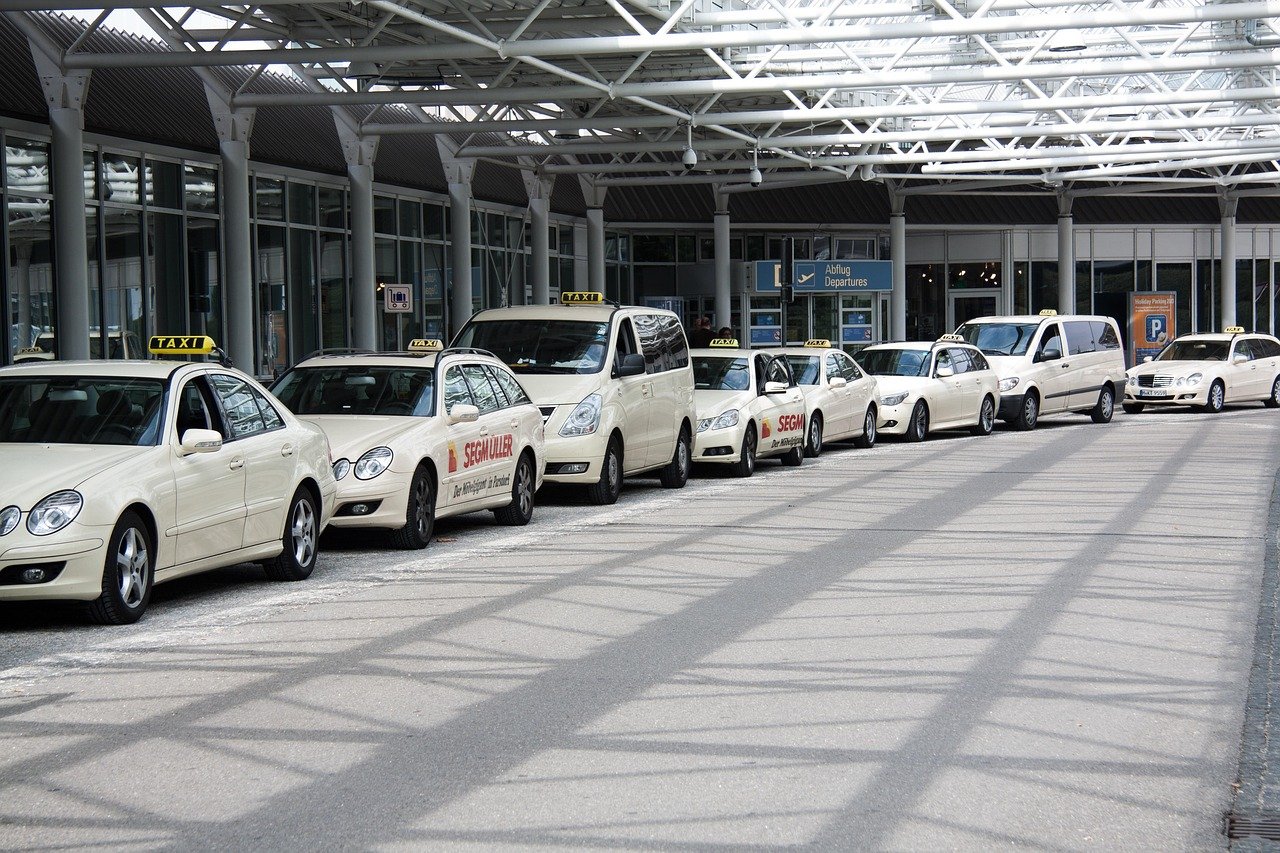
Not every pilgrim gets three months of lead time, and if Dhul Hijjah is closer than this timeline assumes, the priority order changes rather than disappearing. Get a live quote and book your airport transfer first, since this is the leg you cannot manage without and the one where a gap in planning causes the most immediate stress on arrival. Confirm the Mina, Arafat and Muzdalifah arrangements next, since these are the stages with the least flexibility once you are in Saudi Arabia and the highest cost of getting wrong. Everything else on a fuller timeline, comparing multiple providers, researching in depth, can be compressed if it has to be, but those two bookings are worth prioritising over anything else if your lead time is short.
Building your own version of this timeline
The exact weeks above are a sensible default, but the underlying principle is what matters: work backwards from Dhul Hijjah and give transport its own scheduled checkpoints, rather than letting it drift to the bottom of a general task list. Put reminders in your calendar now for each stage above, tied to your specific travel dates, so the timeline works for you automatically rather than relying on remembering to check back on it. A transport plan that has been confirmed in stages, researched early, quoted and booked in good time, reconfirmed close to travel, is far more resilient to the inevitable surprises of Hajj season than one assembled in a rush during the final week.
Frequently asked questions
How early should I start planning Hajj transport?
Around eight weeks before Dhul Hijjah is a sensible point to start actively researching and comparing providers, since demand and pricing typically firm up well before the month itself begins.
When should airport transport actually be booked and confirmed?
Aiming to have your airport transfer confirmed around four weeks before Dhul Hijjah generally gives you more choice of vehicle and pickup time than waiting until the final two weeks.
Do Mina, Arafat and Muzdalifah transport need to be booked separately from the airport transfer?
Not always, but it is worth checking specifically, since these fixed-rite stages sometimes involve separate logistics from a standard airport transfer and should be confirmed in writing rather than assumed to be included.
What should I do if my flight is delayed close to Dhul Hijjah?
Contact your transport provider as soon as you know about the delay, ideally as early as possible, so they have time to adjust pickup arrangements around your new arrival time.
Where can I check official guidance during the countdown to Dhul Hijjah?
The Nusuk Hajj platform and the Saudi Hajj information portal both publish current guidance and are worth checking in the final weeks before you travel, since arrangements can be updated closer to the season.
Can you do Hajj without a travel agency?
Partly. The deciding factor is your country of residence, not your experience as a traveller. Saudi Arabia takes Hajj applications through its official Nusuk Hajj platform, and for pilgrims in some countries that platform is the direct route: register, choose a service tier, pay, with no agency in between. Pilgrims elsewhere still go through a national Hajj mission or a licensed operator, and there is no way around it. Settle which route applies to you before planning anything else.
How to perform Hajj without a travel agent
Confirm which route your country uses, register on the official platform or with the body it names, and choose the service level offered for your dates. The permit and the visa follow from that registration. Everything it does not cover is yours to arrange: flights, the nights before and after the rites, and movement between cities.
What an official package includes, and what it leaves you
Do Hajj packages include flights?
Some do, some do not, and the same word covers both. Packages sold by operators in your own country often bundle flights; a service tier bought directly through the official platform commonly covers accommodation and the serviced camps for the rites, with travel to Saudi Arabia left to you. Read what is listed rather than assuming.
Can I go to Hajj without a package?
Not for the days of the rites. Accommodation and services at Mina and Arafat are allocated in advance rather than booked on arrival, so some approved package covers those days for every pilgrim. The rest is yours: flights, any extra nights in Makkah or Madinah, and the car that moves you and your luggage between the airport, your hotel and the other city.
Checked sources
Official information for your planning
Transport, airport, visa and visitor arrangements can change. These official sources are provided so you can check the current position for your journey. Checked 2026-07-25.
Hajj & Umrah Taxi Cab Co works to this same kind of timeline internally, confirming vehicles and drivers in good time rather than scrambling as Dhul Hijjah approaches. Book early against your own countdown and you will have far more choice and far less stress once the season arrives.